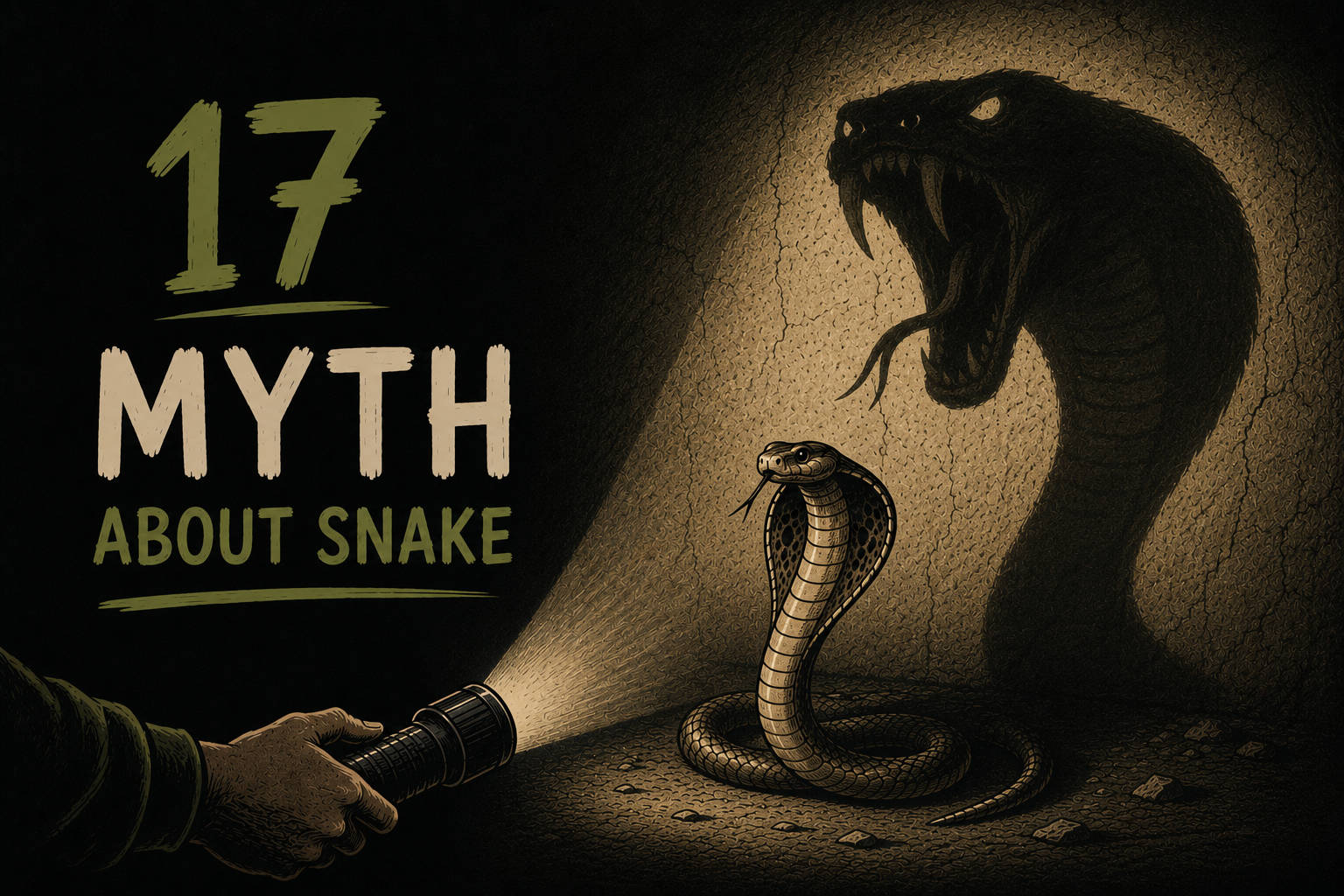
WildLife17 Myth about SnakesMany beliefs about snakes are surprisingly inaccurate. From head shape and pupil myths to outdated first aid and urban snake encounters, these common misconceptions can lead to unnecessary fear or dangerous decisions. Learn the facts behind 17 of the most widespread snake myths and discover what really matters for staying safe around snakes.Dennis July 4, 20263 min read
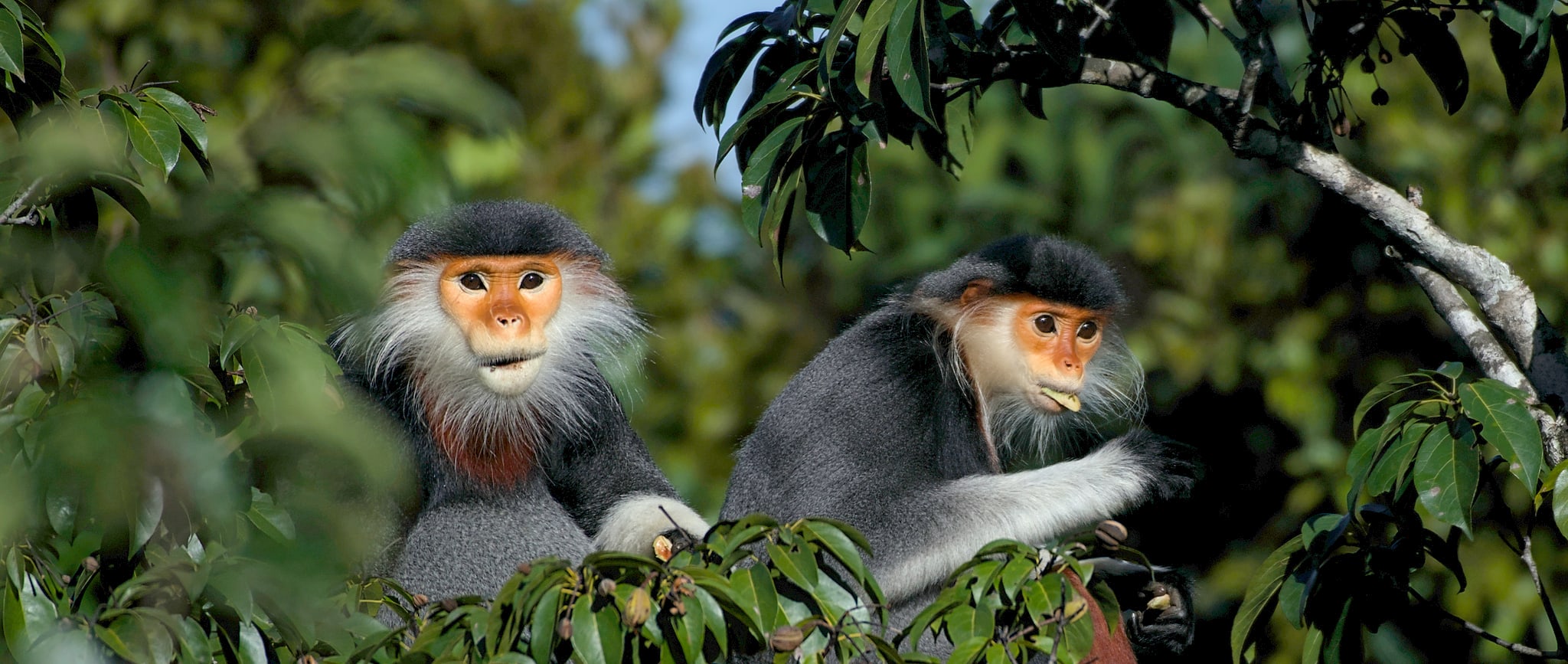
WildLifeThe Queen of PrimatesMost travelers rush from Laos to Hanoi, missing one of Vietnam's greatest wildlife experiences. Learn where to spot the spectacular Red-shanked Douc and the elusive Ha Tinh Langur, why Sơn Trà Peninsula is one of the world's best places to observe wild doucs, and how to combine Phong Nha and Da Nang into an unforgettable eco-tourism detour between Laos and Vietnam's climbing destinations.Dennis June 29, 20263 min read
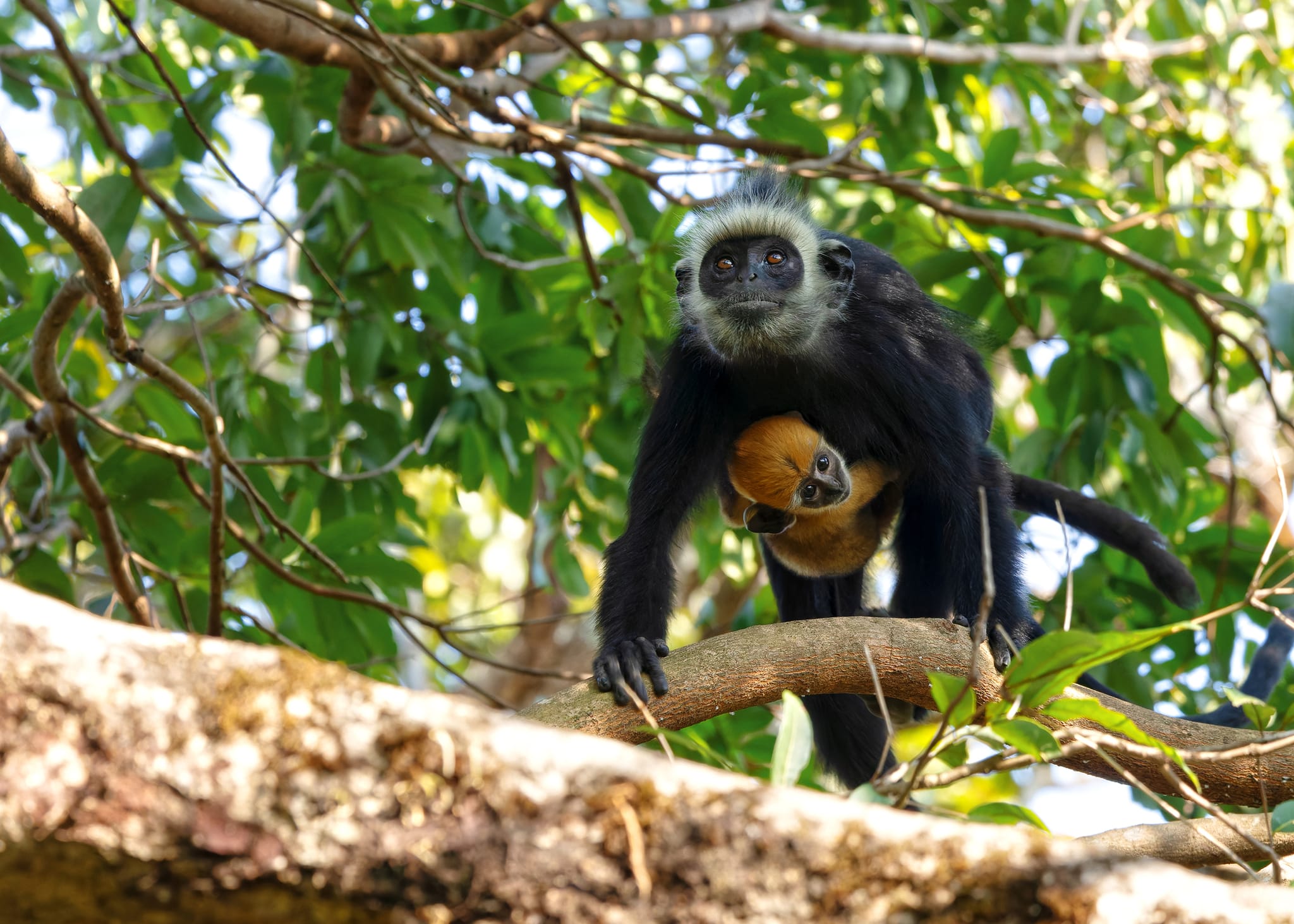
WildLifeLaotian LangurThe Laotian langur is one of the world's rarest primates, found only in the limestone karst mountains of central Laos. Learn about its unique adaptations, fascinating behavior, and discover the best place and time to see this elusive monkey in the wild. Dennis June 28, 20263 min read
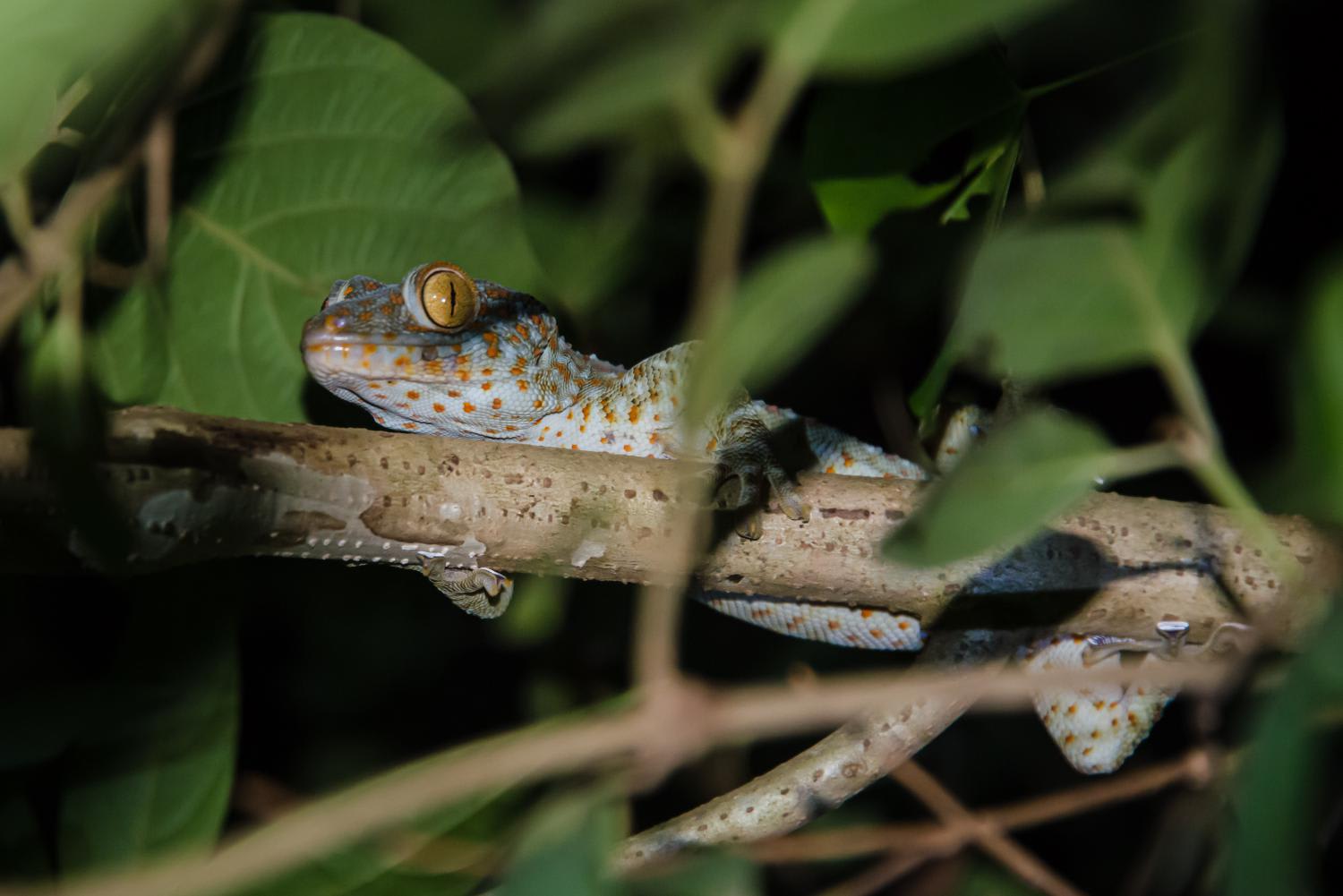
WildLifeTokay Gecko The Tokay Gecko (Gekko gecko) is one of Southeast Asia's largest geckos and a familiar nighttime resident around the camp. Famous for its loud "to-kay" call, this colorful climber is often heard long before it is seen.Dennis June 24, 20263 min read
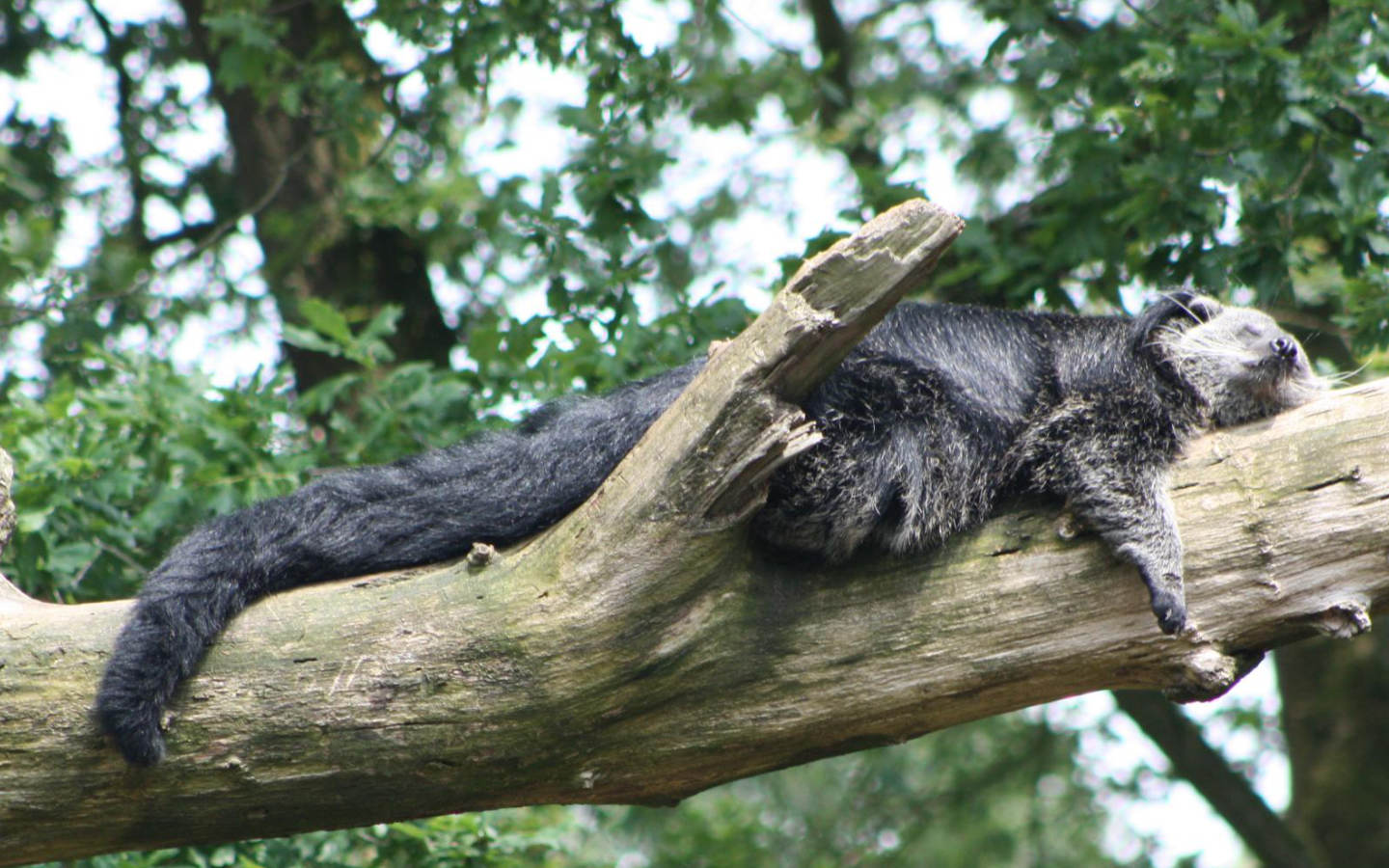
WildLifeThe Binturong The binturong, sometimes called a bearcat, is famous for smelling like freshly buttered popcorn.Dennis June 24, 20262 min read
WildLifeMonocled CobraLearn about the Monocled Cobra (Naja kaouthia), one of Laos' most famous venomous snakes. Discover how to identify it, where it lives, its behavior, venom, and why encounters are much rarer than most visitors expect.Dennis June 20, 20262 min read
WildLifeBanded KraitThe Banded Krait (Bungarus fasciatus) is a highly venomous snake recognized by its striking black and yellow bands. Despite its fearsome reputation, this large nocturnal hunter is typically shy and prefers to avoid humans.Dennis June 20, 20261 min read
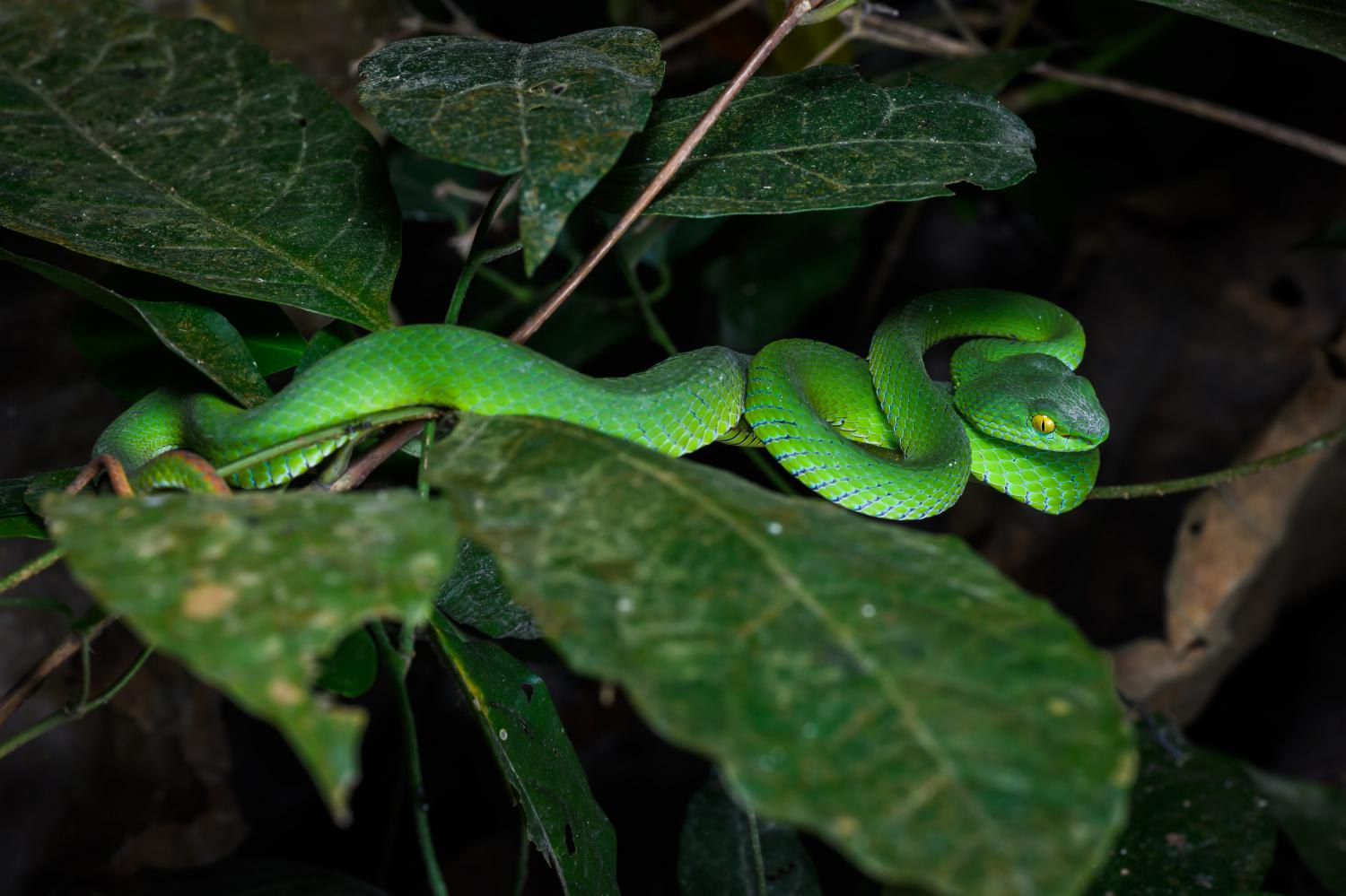
WildLifeLarge-eyed Pit ViperThe Large-Eyed Pit Viper (Trimeresurus macrops) is a beautiful but venomous snake found throughout Southeast Asia. Known for its oversized golden eyes and bright green coloration, this nocturnal hunter is occasionally encountered around the limestone forests and climbing areas of Laos.Dennis June 20, 20261 min read
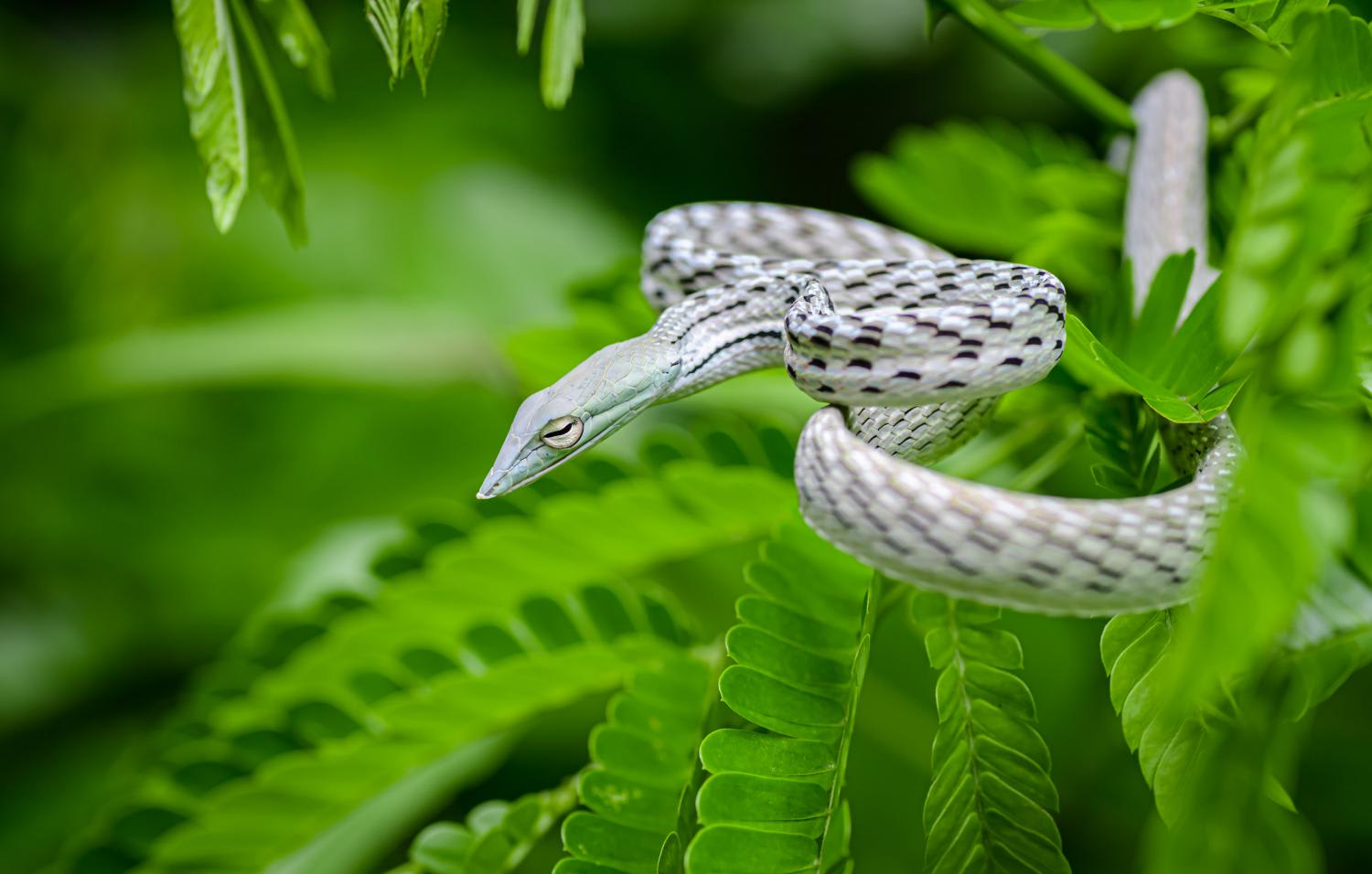
WildLifeVine SnakeOf all the snakes around the camp, the Oriental Whip Snake, is the one you are most likely to encounter. Dennis June 20, 20261 min read