Laotian Langur

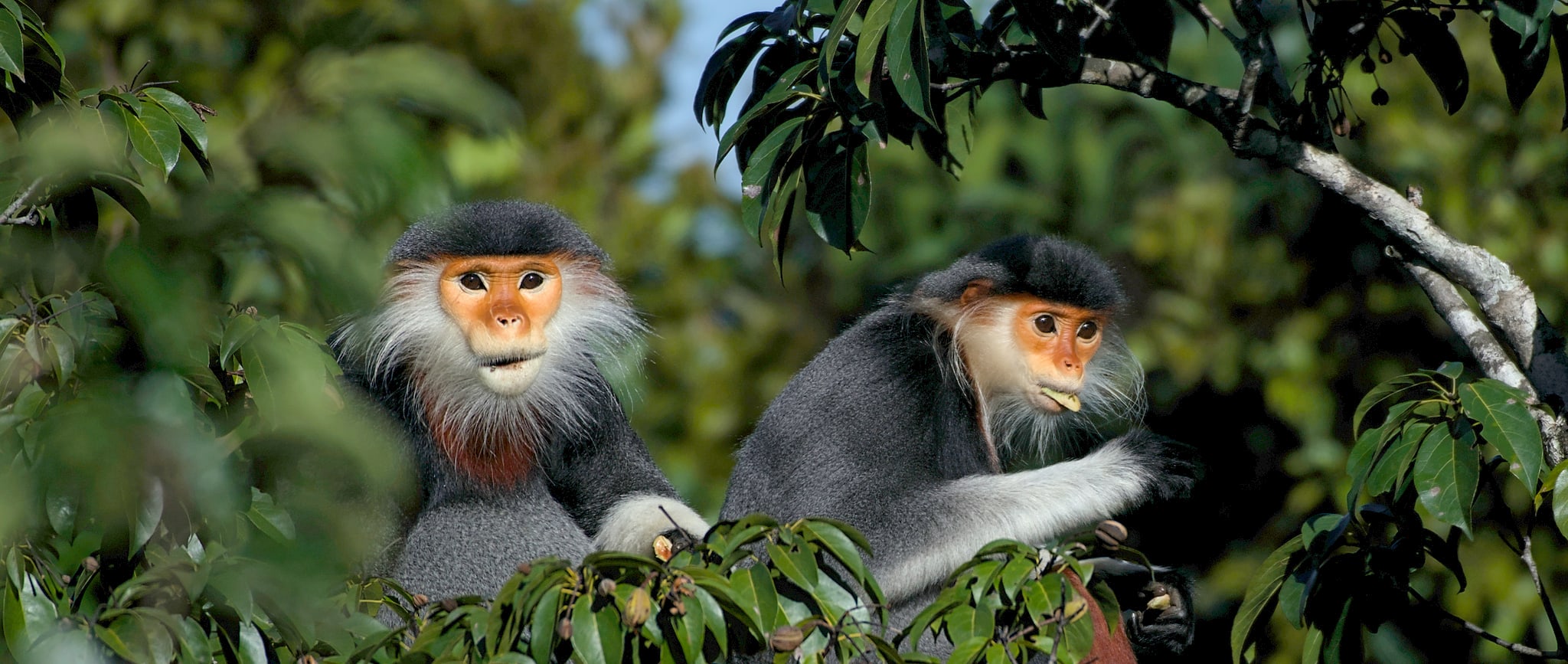
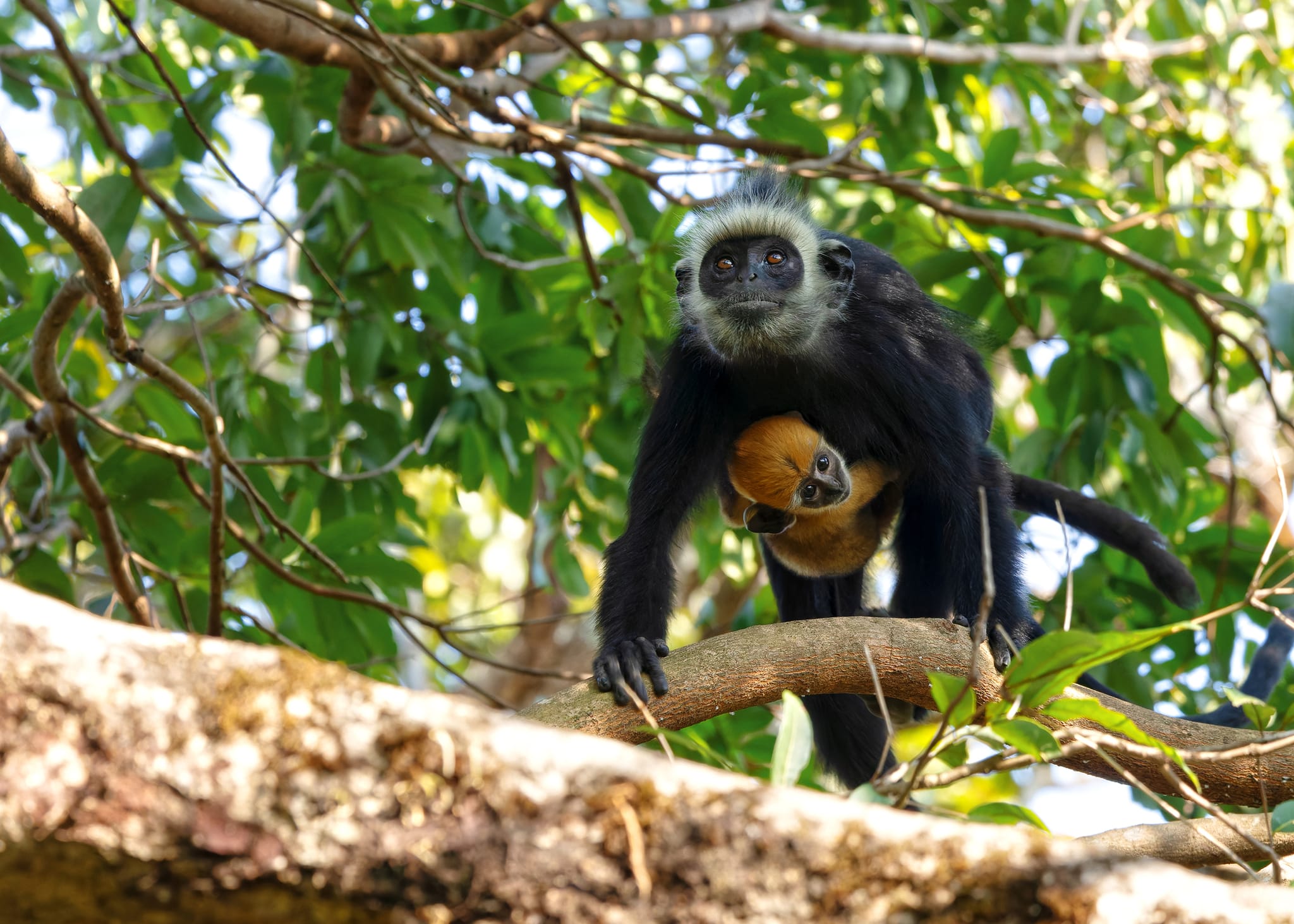
The Laotian langur (Trachypithecus laotum) is one of Southeast Asia's most elusive primates and can only be found in the limestone karst mountains of central Laos. Perfectly adapted to this rugged landscape, these shy leaf-eating monkeys spend their lives among steep cliffs and dense forests that are difficult for humans to reach. Their remote habitat and naturally cautious behavior make sightings exceptionally rare, making every encounter with a wild Laotian langur a truly special experience.
Seeing a Laotian langur in the wild isn't just a matter of luck - it requires knowing where to look and when to be there. At the end of this article, we'll share our best tips for spotting these remarkable monkeys in their natural habitat.
Built for the Limestone
Unlike most langurs, which spend almost their entire lives high in the forest canopy, the Laotian langur has adapted to one of the world's most rugged landscapes. It moves effortlessly across steep limestone cliffs, narrow ledges, and cave entrances, making the dramatic karst mountains of central Laos its natural home. While climbers need ropes to reach these walls, the langur simply runs and leaps across them with remarkable agility.
Orange Babies
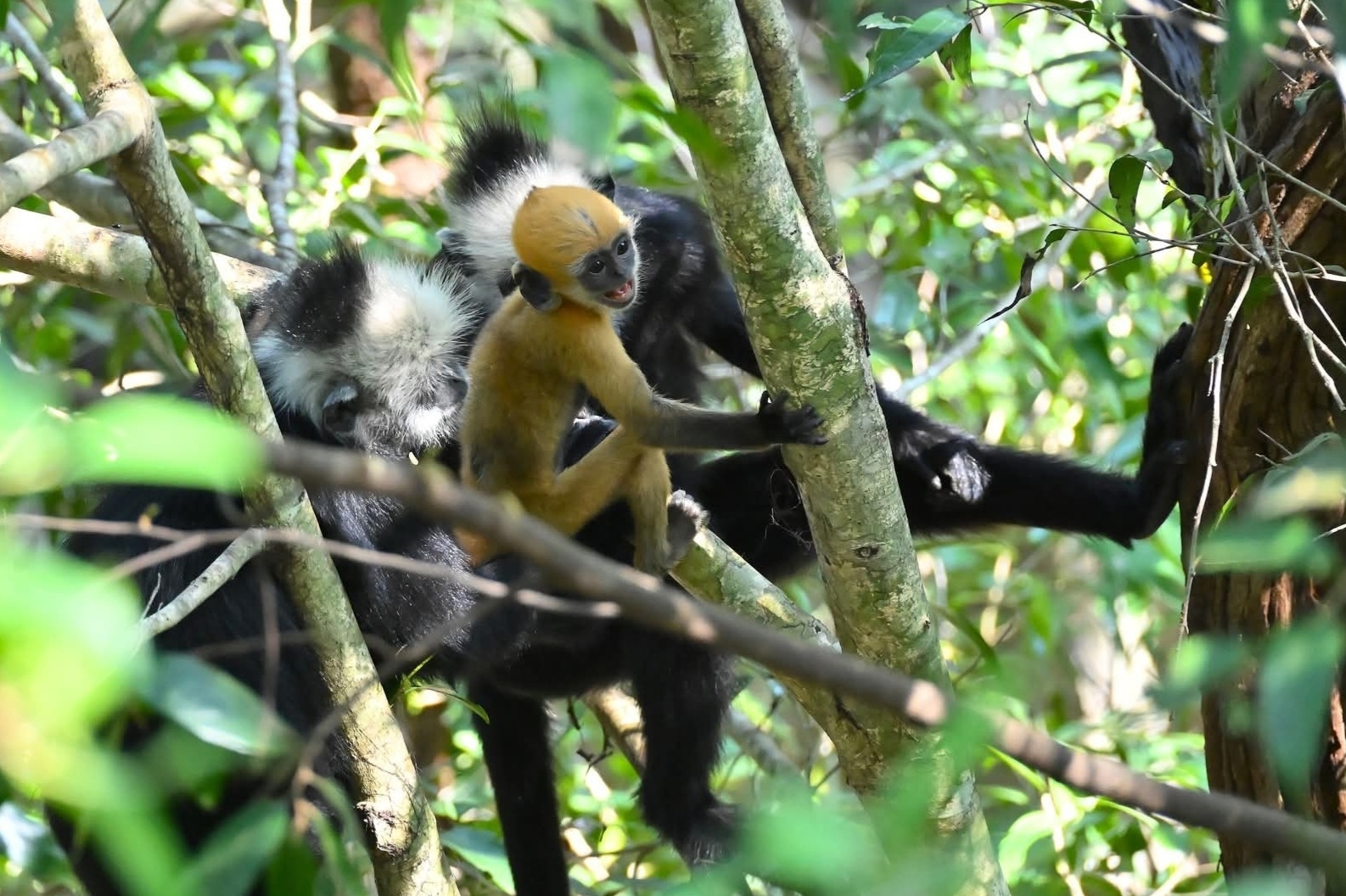
One of the most surprising features of the Laotian langur is its newborns. Babies are born with a bright orange coat that makes them stand out dramatically against the dark fur of the adults. Over the first few months of life, this vibrant color gradually fades until they develop the charcoal-grey to black coat of mature langurs. Scientists believe the bright coloration helps other members of the group recognize and care for the infants.
A Leaf-Eating Specialist
Unlike many monkeys that rely heavily on fruit, the Laotian langur feeds mainly on young leaves, along with shoots, flowers, and the occasional fruit. Leaves are low in nutrients and difficult to digest, so langurs have evolved a specialized multi-chambered stomach filled with microbes that ferment plant material—similar to the digestive system of cows.
Why They Spend So Much Time Resting
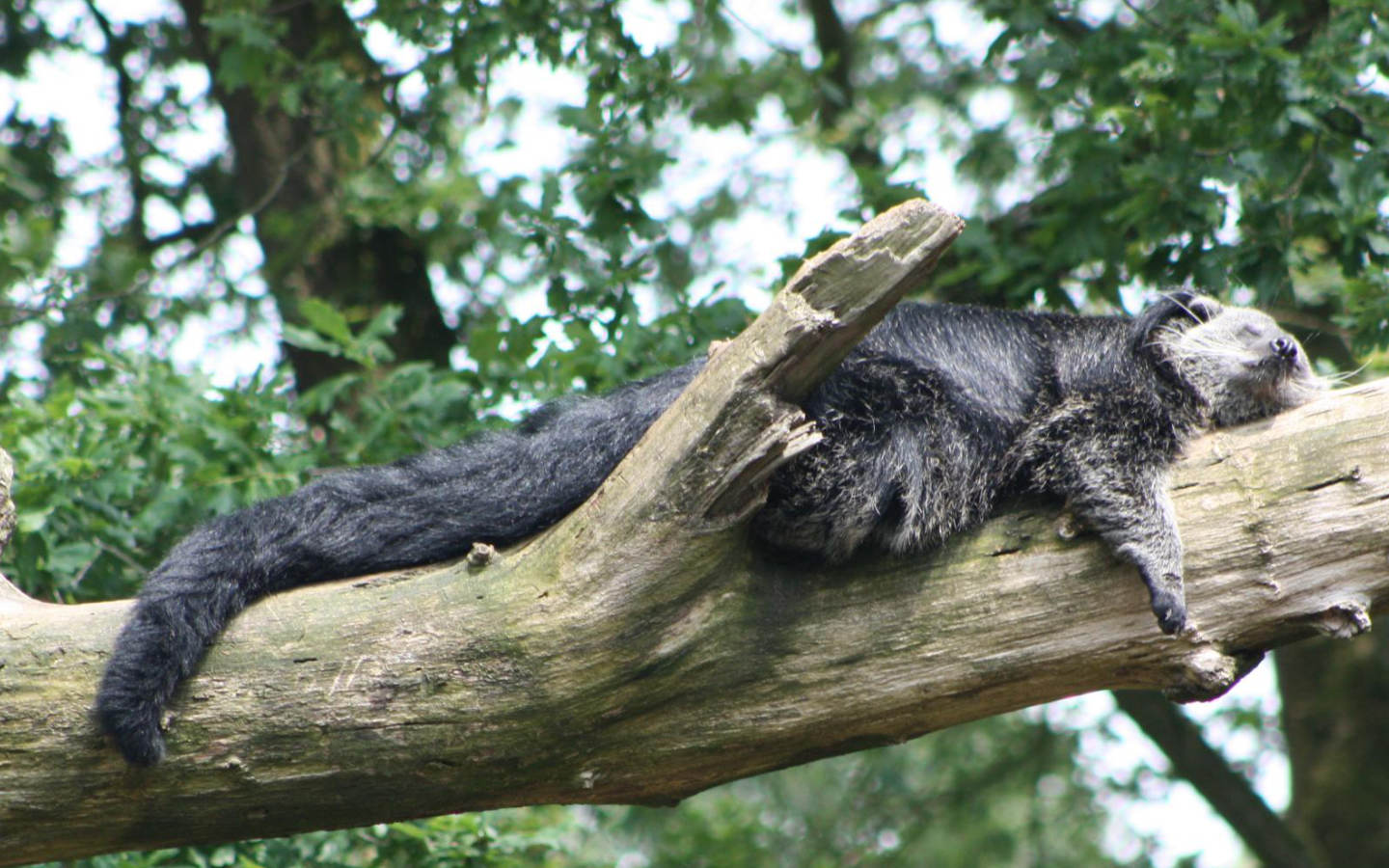
Digesting leaves is a slow and energy-intensive process. Rather than constantly searching for food, Laotian langurs alternate between feeding and long periods of rest, allowing their stomachs to break down tough plant fibres. If you're lucky enough to spot a group, don't be surprised if they appear to be doing very little. Sitting quietly on a rocky ledge or in the shade of a tree is an essential part of their daily routine.
Where to See the Laotian Langur
One of the best places to spot the Laotian langur is at The Rock Viewpoint on the Thakhek Loop in Khammouane Province. A habituated troop of around 20 individuals lives among the spectacular limestone cliffs surrounding the site, making this one of the most reliable places to observe the species in the wild.
Your best chance is to visit early in the morning, around 8:00 AM, or late in the afternoon between 4:30 PM and 5:00 PM. During these cooler hours, the langurs are more active and are often seen crossing the 650-meter elevated boardwalk or relaxing on the cliffs near the reception and restaurant.
According to the team at The Rock Viewpoint, the troop follows a rough four-day roaming cycle, moving through different parts of the surrounding karst forest before returning to the main viewpoint area. This means sightings can vary from day to day, but a little patience is often rewarded.
If you're staying at Green Climbers Home, The Rock Viewpoint is an easy day trip and offers one of the best opportunities to see this remarkable monkey in its natural habitat. Even if the langurs don't make an appearance, the dramatic limestone scenerysome sport climbing crags and the sinkhole is a visit worthwhile.
Sources:
https://en.wikipedia.org/wiki/Laotian_langur
https://www.mammalwatching.com/community-post/anyone-has-info-on-how-to-see-the-laotian-langur/
The Rock ViewPoint Managment
Copyright
https://creativecommons.org/licenses/by-nc/4.0/
© Pierre-Louis Stenger
https://www.inaturalist.org/photos/273154542
© Yuwaree Kamolsawat
https://www.inaturalist.org/photos/625643957
© ayuwat
https://www.inaturalist.org/photos/626664958