17 Myth about Snakes
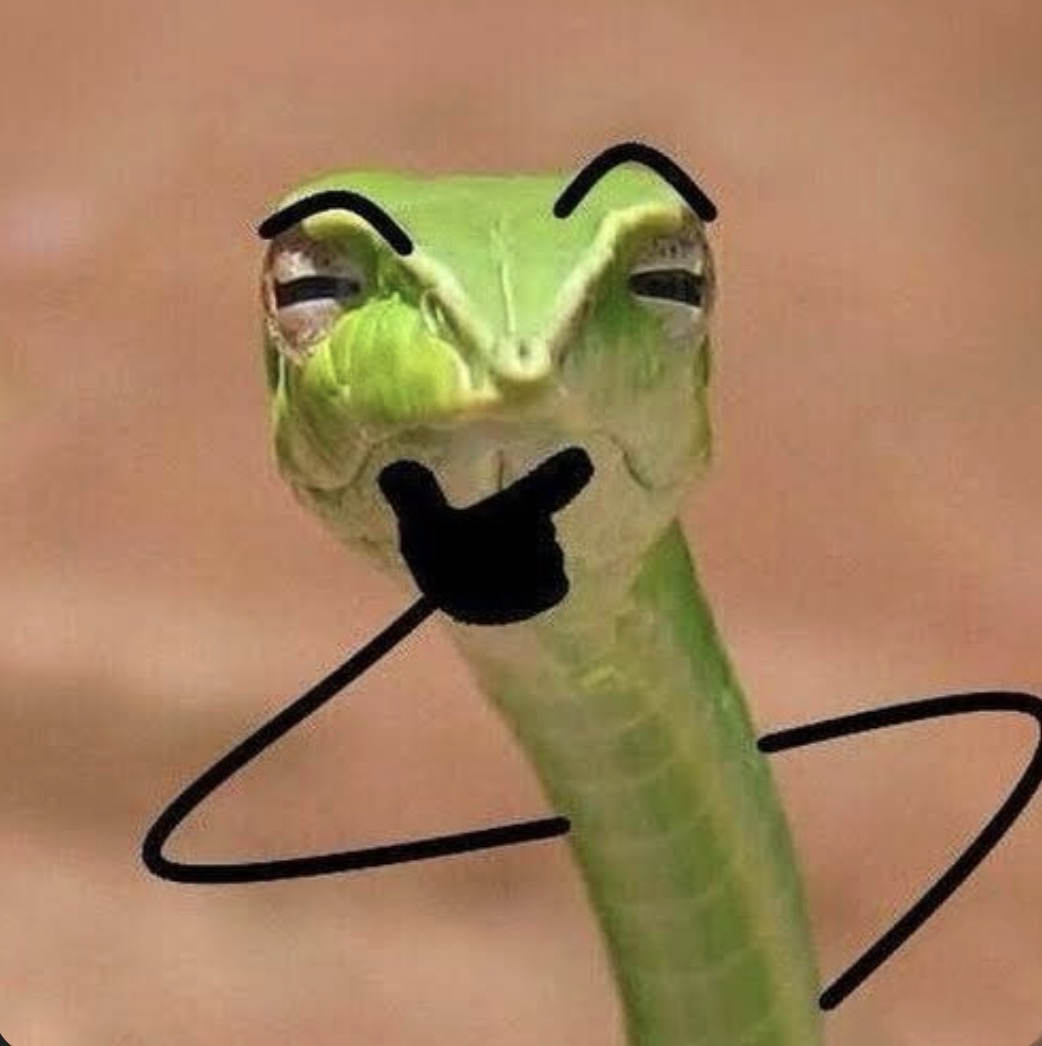
Myth 1: Venomous snakes have triangular heads.
Reality: Head shape is not a reliable indicator of venom. Many harmless snakes flatten their heads when threatened, making them appear triangular, while highly venomous snakes like cobras and kraits often have relatively narrow heads.
Myth 2: Venomous snakes have slit-shaped pupils.
Reality: Pupil shape is linked more to when a snake is active than whether it is venomous. Cobras, one of Asia's most dangerous snakes, have round pupils.
Myth 3: Brightly colored snakes are venomous, while dull-colored snakes are harmless.
Reality: Color alone tells you almost nothing. Some harmless species mimic venomous snakes, while many dangerous snakes are plain brown or green. Reliable identification requires considering many characteristics together, including body shape, scales, pattern, behavior, habitat, and geographic range.
Myth 4: A dead snake can't bite.
Reality: A recently killed snake can still bite through reflex actions. The venom glands remain intact, and a reflex bite can inject venom even after the snake is dead. Never touch or handle a dead snake.
Myth 5: Baby snakes are more dangerous because they inject all their venom.
Reality: Young snakes can deliver serious bites, but adults possess much larger venom glands and usually inject more venom. Any bite should be taken seriously regardless of the snake's size.
Myth 6: Snakes chase people.
Reality: Snakes almost always try to escape. If one appears to chase someone, it is usually fleeing toward the nearest cover, which may happen to be in the same direction.
Myth 7: Every bite from a venomous snake contains venom.
Reality: Venomous snakes sometimes deliver "dry bites" without injecting venom. However, there is no way to know immediately, so every bite should be treated as a medical emergency.
Myth 8: If the bite doesn't hurt, it's harmless.
Reality: Some dangerous snakes, particularly kraits, may cause little or no pain initially. Serious symptoms such as paralysis can develop several hours later.
Myth 9: You should suck the venom out.
Reality: Suction removes virtually no venom and can damage tissue or introduce infection. It wastes valuable time that should be spent getting medical care.
Myth 10: Snake bite kits save lives.
Reality: Commercial suction kits have not been shown to remove meaningful amounts of venom. Modern first aid focuses on keeping the patient calm, immobilizing the affected limb, and reaching a hospital as quickly as possible.
Myth 11: A tourniquet is the best treatment.
Reality: A tight tourniquet can cut off blood flow, causing permanent tissue damage or even the loss of a limb. It is no longer recommended for snake bites.
Myth 12: Kill the snake so doctors can identify it.
Reality: Attempting to catch or kill a snake is a common cause of second bites. Doctors usually diagnose and treat patients based on symptoms. If it can be done safely, a photo from a distance is far more useful than trying to capture the snake.
Myth 13: Alcohol helps after a snake bite.
Reality: Alcohol does not treat snake bites. It can impair judgment, worsen dehydration, and complicate medical assessment. Drinking alcohol after a bite should be avoided.
Myth 14: Traditional remedies can neutralize snake venom.
Reality: Herbs, "black stones," electric shocks, cutting the wound, burning the bite, or applying chemicals do not neutralize venom. These treatments often make the injury worse and delay proper medical care.
Myth 15: Antivenom is needed for every snake bite.
Reality: Not every venomous bite requires antivenom. Some bites are dry, while others cause only mild symptoms. Doctors decide whether antivenom is necessary based on the patient's symptoms because antivenom itself carries risks.
Myth 16: Children instinctively know to stay away from snakes.
Reality: Young children are often curious and may not recognize a snake as dangerous. Some may even try to touch or pick one up. When visiting areas where snakes occur, children should always be supervised and taught never to approach or handle any snake, no matter how harmless it appears.
Myth 17: You won't find snakes in cities.
Reality: Snakes are surprisingly adaptable and can live in parks, gardens, drainage systems, vacant lots, canals, and even residential neighborhoods. Sightings are regularly reported in major Asian cities such as Bangkok, Singapore, Kuala Lumpur, and Ho Chi Minh City. While encounters remain uncommon, it is wise to stay alert even in urban environments, especially near water or green spaces.
If you want to know more about how to avoid getting bitten, read our article about snake safety
https://greenclimbershome.com/en/blog/riskmanagement#snake-safety
Sources
https://www.who.int/health-topics/snakebite?