Separating Fear from Facts

Traveling safely isn't about worrying about everything - it's about knowing what actually puts you at risk.
Before coming to Southeast Asia, many travelers spend hours reading about malaria, dengue fever, venomous snakes, spiders, and other tropical hazards. These are all real risks and deserve sensible precautions. But if your goal is to have a safe trip, it's important to separate fear from facts.
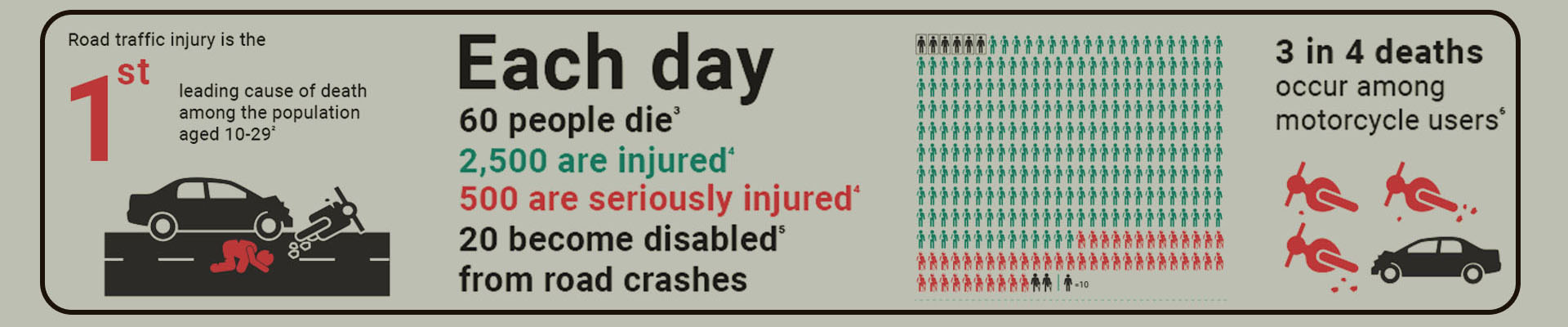
The hazards that receive the most attention aren't always the ones most likely to cause harm. In reality, the greatest danger for most travelers isn't hiding in the jungle or waiting in the grass. It's often right in front of them - on the road. Understanding where the real risks lie allows you to focus your attention where it matters most. A few informed decisions can reduce your chances of serious injury far more than constantly worrying about unlikely scenarios.
Road Safety Tips
Wear a helmet and don't drink and ride.
You've heard it a thousand times. The problem isn't that people don't know this advice - it's that they underestimate how much difference it makes.
We go slow, I heard it so often. Most motorcycle accidents aren't dramatic high-speed crashes. They're low speed falls on a short ride to the crag or into town. In those moments, a helmet, closed shoes, and sober judgement can be the difference between picking up your bike, putting a bandage on your knee, and going climbing the next day - or spending weeks in a hospital. And if you have a high speed impact it the thing that saves your life.
Wear Proper Shoes
Your front wheel slips on loose gravel at walking speedyou instinctively put your foot down. In flip flops, it's often your big toe that takes the impact. It won't be a serious injury. It might not even require a hospital visit. But it can easily be enough to stop you from fitting into a climbing shoe for the rest of your trip. Closed shoes are a simple way to prevent a small accident from becoming a trip-ending one.
Expect the Unexpected
If you've learned to drive in Europe, Australia, or North America, forget one rule: don't expect anyone to behave as you would. On a road in Laos, anything can happen. A buffalo decides to cross the road. A chicken changes its mind halfway across. Kids run out to wave at you. A dog is sleeping in the middle of the road. Someone overtakes on a blind corner. Another rider appears on the wrong side of the road because it's the shortest way home.
It sounds funny - until you're the one who has to react.
Ride with the mindset that the unexpected is normal. Slow down, leave yourself time to react, and you'll find that Lao roads become a lot less stressful.
Watch for Branches on the Road
If you see leafy branches lying across the road in Laos, don't assume they simply fell from a tree. They're often the local version of a warning triangle. When a vehicle breaks down, there's road work ahead, or another hazard blocks the road, people often cut branches from nearby bushes and place them on the road to warn approaching traffic. It's simple, effective, and something many visitors don't recognize.
If you see fresh green branches on the road, slow down. Someone is trying to tell you that something unexpected is waiting just ahead.
Avoid Riding at Night
If possible, avoid riding after dark. Many vehicles in Laos have poor lighting, and some have no lights at all. It's not unusual to come across an unlit motorcycle, a slow-moving tractor, or even livestock on the road with little or no warning. During the day, you have time to react. At night, you often don't. Plan your trips so you're back before sunset. It's one of the easiest ways to reduce your risk on Lao roads.
Don't Trust Indicators
In many countries, a blinking indicator tells you exactly what another driver is about to do. In Laos... maybe.
It's surprisingly common to see cars and motorbikes driving for kilometers with an indicator flashing simply because someone forgot to switch it off - or accidentally hit the switch. Don't assume a blinking indicator means a vehicle is about to turn. Instead, watch what the driver is actually doing. On Lao roads, actions are much more reliable than indicators.
Don't Leave Your Passport Behind
Many scooter rental shops ask to keep your passport as a security deposit. It may seem convenient, but it can become a serious problem if you have an accident. For serious injuries, many travelers in Laos choose to seek treatment in Thailand, where medical facilities are generally more advanced. You can't cross the border without your passport. Before renting a scooter, ask if you can leave a cash deposit or another form of identification instead. Most rental shops are willing to negotiate.
Some travelers carry an old or expired passport to leave as a deposit. This is a bad idea. Using an invalid passport in place of your current one can lead to serious legal problems. Keep your passport with you, you'll be glad you did if you ever need it.
Snake Safety
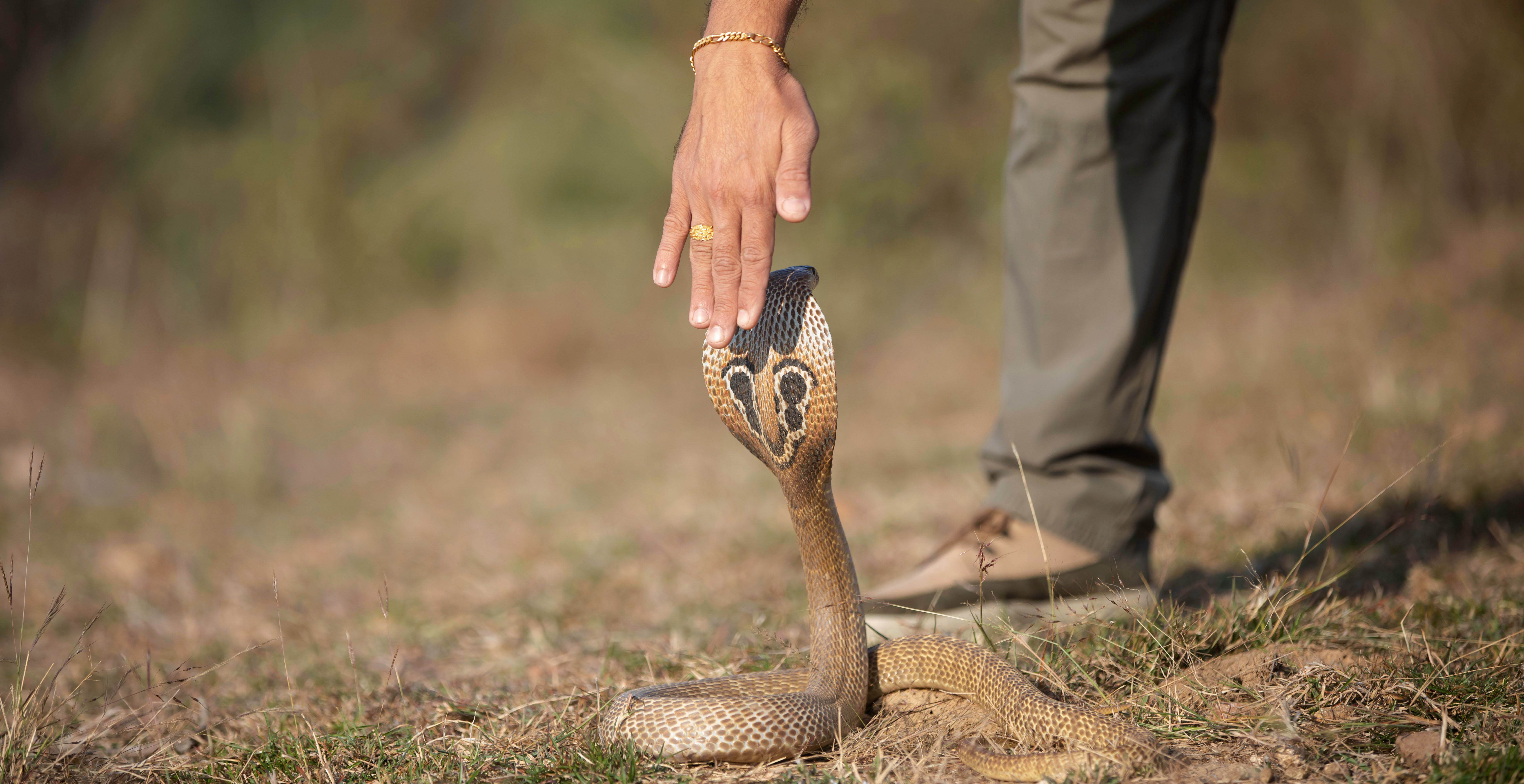
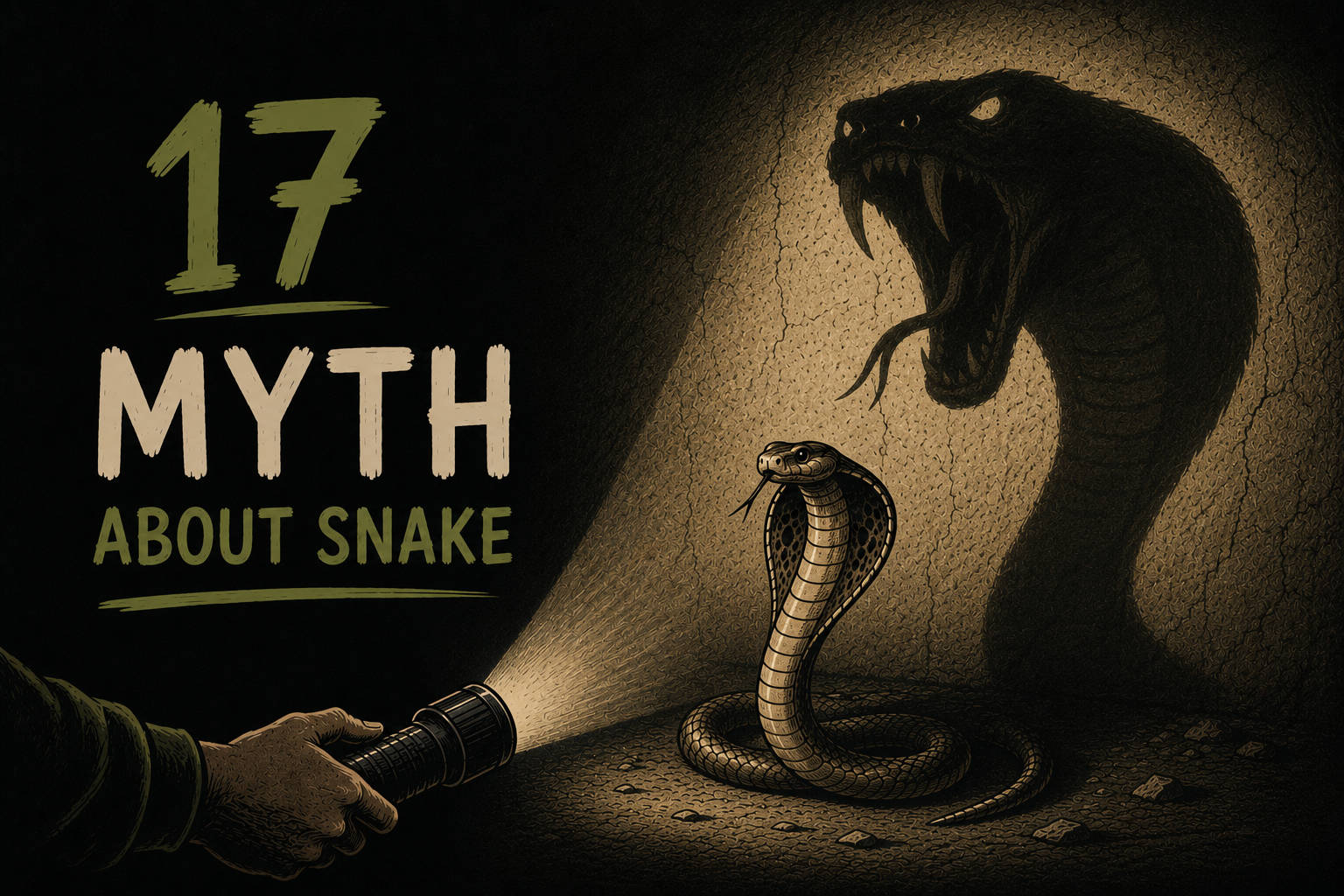
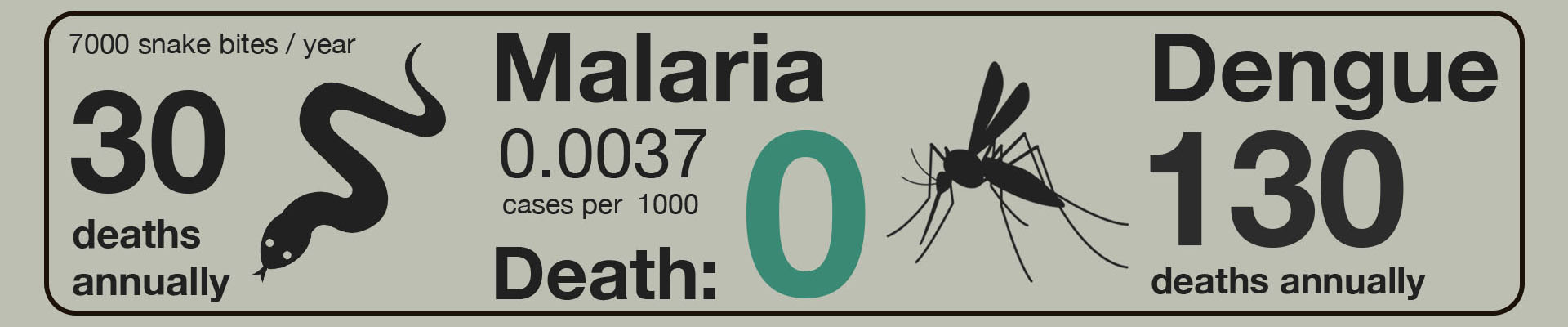
Venomous snakes live throughout Southeast Asia, but the risk to travelers is often much lower than people imagine.
At Green Climbers Home, many guests spend weeks climbing and hiking without ever seeing a snake, especially during the dry season. Encounters become more common during the rainy season, when snakes are generally more active.
Most snakebite victims are not tourists. They are local farmers and plantation workers who spend long hours walking through tall vegetation, harvesting rice, or working on rubber plantations where snakes naturally occur. The best way to avoid a snakebite is surprisingly simple:
Slow Down After Dark
After sunset, always walk rather than run, and use a flashlight to watch the ground ahead.
Many snakes become active at night and are often found on paths, roads, and sidewalks, where the warm surface retains heat after sunset. This means you shouldn't let your guard down just because you're no longer in the jungle. A snake crossing a road or resting on a path can be difficult to spot in poor light. Whether you're walking back from dinner, heading to your bungalow, or returning from a night out, slow down, use a flashlight, and watch where you step.
Never Handle a Snake
Most snake bites happen because someone tries to catch, move, kill, or otherwise handle a snake. While we feature many snake species on this website to help visitors appreciate the local wildlife, these articles are not intended to teach snake handling or encourage identification in the field. Correctly identifying a snake can be extremely difficult, even for experienced herpetologists. Many harmless and venomous species look remarkably similar, and some harmless snakes even mimic dangerous ones. If you are not an expert, the safest assumption is simple: never handle any wild snake. If you encounter one, enjoy the sighting from a safe distance, take a photo if you wish, and allow it to move away undisturbed.
Be Careful When Moving Things
Snakes often rest in cool, sheltered places such as beneath rocks, fallen logs, piles of branches, or other objects lying on the ground. Before moving a rock to make a seat, collecting firewood, or lifting debris, take a moment to look underneath and give any hidden snake a chance to move away. Likewise, avoid stepping over large logs or rocks where you can't see the ground on the other side. Step onto them first, look where you'll land, and then step down.
Dengue and Malaria
Mosquitoes deserve more attention than snakes. Unlike snakes, you'll almost certainly encounter mosquitoes during your trip, and they are responsible for spreading diseases such as malaria and dengue fever.
The good news is that the risk of dying from either disease as a traveler in Thailand is very low. Malaria is limited to specific border regions and is absent from most popular tourist destinations. Dengue is more widespread, but while thousands of people become infected each year, fatalities are rare compared with the number of cases.
The best protection is simple:
- Apply mosquito repellent, especially around sunrise and sunset.
- Wear long sleeves and long trousers in the evening when practical.
- Sleep with a mosquito net
- Remove standing water around your accommodation whenever possible.
The goal isn't to avoid every mosquito bite,it's to reduce your exposure. A few simple precautions are highly effective and allow you to enjoy your trip without unnecessary worry.
Important Note
If you develop a fever during or shortly after your trip:
- Seek medical attention promptly and tell the healthcare provider where you have been traveling.
- Until dengue has been ruled out, avoid aspirin and anti-inflammatory painkillers such as ibuprofen or naproxen, as they can increase the risk of bleeding. If you need a fever reducer, paracetamol (acetaminophen) is generally the preferred choice.
- Stay well hydrated and monitor your symptoms closely.
Scorpions: Painful, But Rarely Dangerous
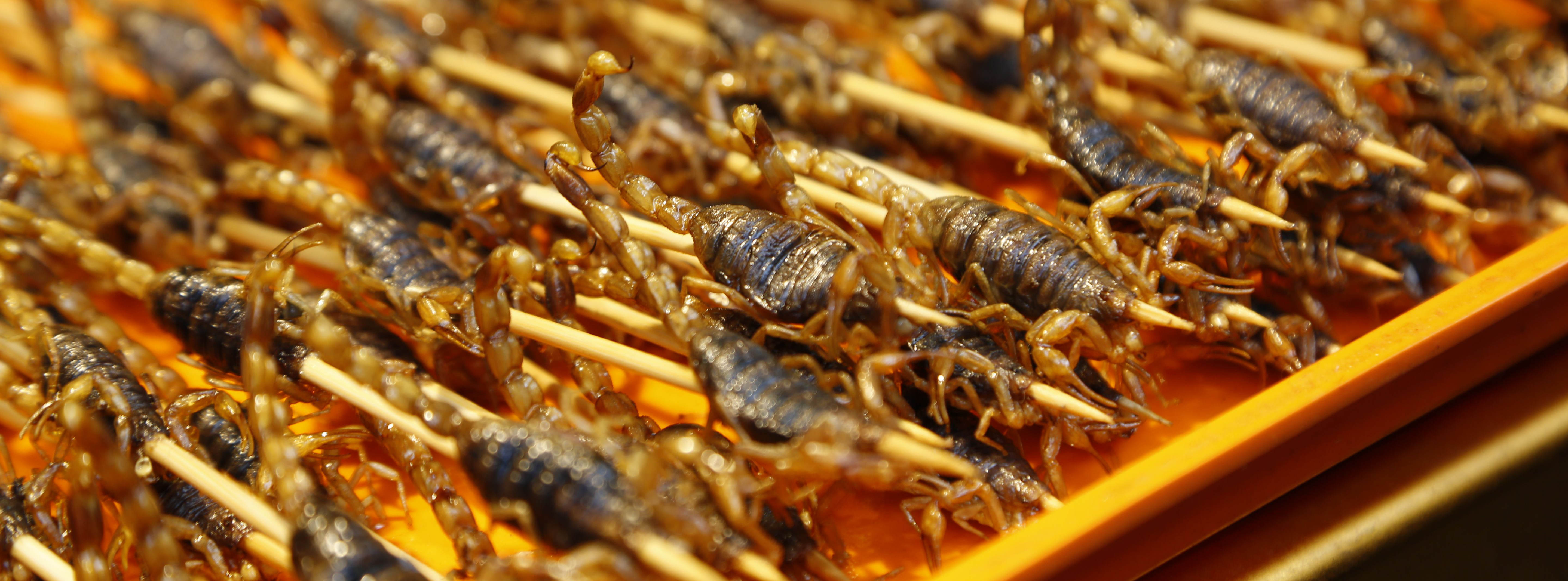
Scorpions are another animal that many travelers worry about before arriving in Southeast Asia. The reality is that while all scorpions are venomous, very few species found in the region pose a serious threat to healthy adults.
A scorpion sting is usually painful—often compared to a bee or wasp sting—but most people experience only local pain, swelling, or numbness that gradually improves over time.
Simple precautions make encounters even less likely:
- Shake out your shoes before putting them on if they have been left outside overnight.
- Avoid reaching blindly into rock crevices, wood piles, or dark corners.
- Wear shoes or sandals when walking around at night.
- If you are stung, wash the area with soap and water, apply a cold compress, and seek medical attention if you develop severe pain, difficulty breathing, muscle twitching, vomiting, or if the person stung is a young child.
- People with a history of severe anaphylaxis (to bees, foods, medications, etc.) should be extra cautious and, if prescribed, carry their epinephrine auto-injector while traveling.
Sources
https://www.who.int/news-room/fact-sheets/detail/animal-bites?utm_source=chatgpt.com
https://thailandsnakes.com/how-many-deaths-thailand-per-year-venomous-snakebite/
https://www.who.int/news-room/fact-sheets/detail/dengue-and-severe-dengue