Health & Safety

Vaccinations for Laos
One of the most common questions we receive is: "Which vaccinations do I need for Laos?"
Unfortunately, there is no single answer. If you ask three travel doctors, you may receive three different recommendations. Vaccination advice depends on factors such as your age, medical history, planned activities, length of stay, and the areas you intend to visit.
After researching the topic and discussing it with medical professionals, these are the vaccinations I personally chose before spending extended time in Laos:
- Hepatitis A
- Tetanus
- Typhoid
- Japanese Encephalitis
For some travellers, additional vaccinations may also be recommended:
- Cholera
- Hepatitis B
- Rabies
Please consult your doctor or a travel medicine specialist before your trip. They can provide recommendations based on your personal health situation, travel plans, and the latest medical guidance. This article is intended to share personal experience and general information only. It should NOT be considered medical advice.
Malaria in Laos
Separating Facts from Fears
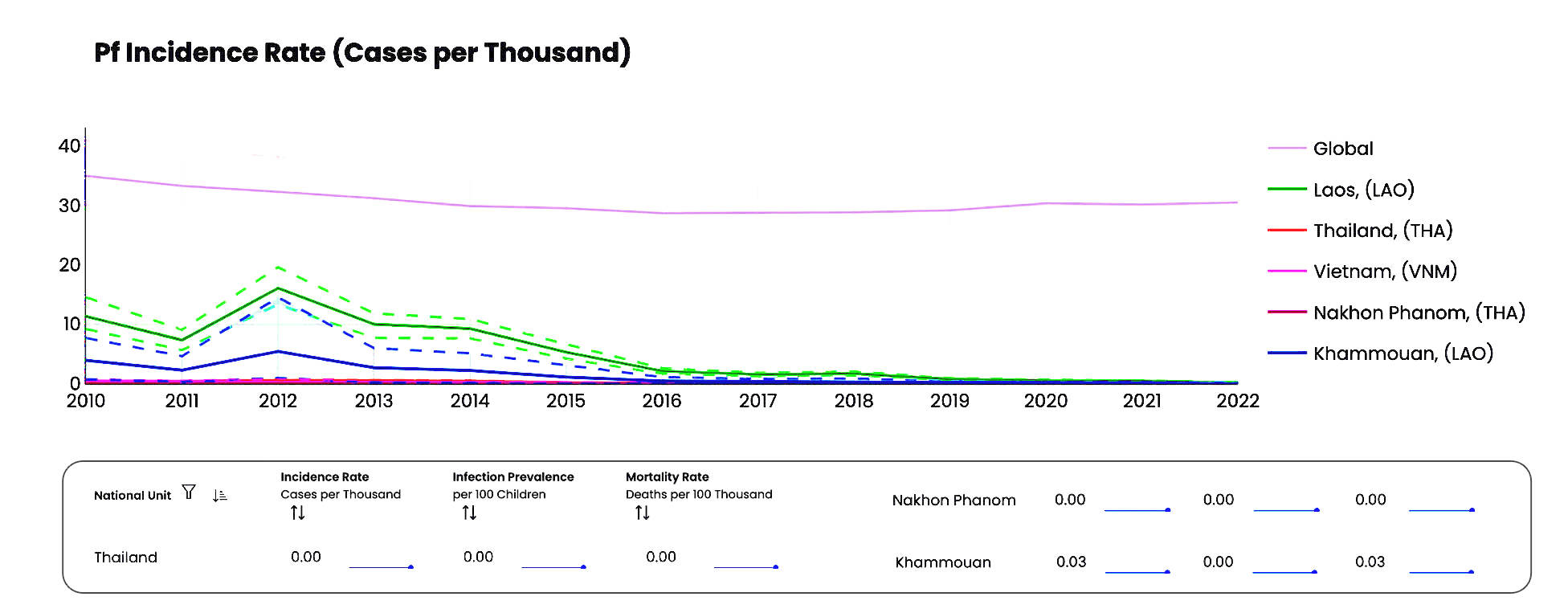
Many travellers are surprised to learn that malaria is no longer the major health concern in Laos that it once was. Over the last few decades, malaria cases have fallen dramatically thanks to improved prevention, testing, and treatment programs. According to the WHO, reported malaria cases in Laos have declined from hundreds of thousands of cases in the 1990s to only a few thousand cases per year today.
Malaria risk in Laos is not the same throughout the year. The highest risk is generally during and shortly after the rainy season, when mosquito populations increase. In central Laos, this usually means the period from May to October. During the dry season, particularly from November to March, mosquito numbers are often much lower and the risk of malaria transmission decreases.
The mosquitoes that transmit malaria are active primarily from dusk until dawn. If mosquitoes are present, it is worth taking simple precautions to avoid bites:
- Use mosquito repellent.
- Wear long sleeves and long trousers in the evening.
- Sleep under a mosquito net when necessary.

Below you can see how malaria cases have changed over time in Laos, Thailand, and our local district. The statistics help put the actual level of risk into perspective.
Sources
https://www.aplma.org/blog/progress-towards-malaria-elimination-in-thailand
https://www.who.int/news-room/feature-stories/detail/thailand-gears-up-to-eliminate-malaria-by-2024
https://data.malariaatlas.org/trends?
Dengue Fever
During the main climbing season, the risk of contracting dengue fever at Green Climbers Home is relatively low.
There are several reasons for this. First, most of our season takes place during the dry months from November to March, when mosquito numbers are much lower than during the rainy season. Dengue transmission is generally highest during and shortly after the rainy season, from May to October, when mosquitoes have more breeding sites and populations increase.
Second, our camp is located in a rural area. The mosquitoes that transmit dengue are most commonly associated with cities and densely populated areas, where they thrive around human settlements. While dengue can occur anywhere in Laos, the environment around the camp is generally less favoureable for transmission than urban centers.
That said, dengue is present in Laos and there is no prophylactic medication available to prevent it. The best protection is to avoid mosquito bites whenever mosquitoes are present. Mosquito repellent, long clothing, mosquito coils, and other preventative measures can all help reduce the risk.
Unlike malaria mosquitoes, which are active mainly from dusk until dawn, dengue mosquitoes are active during the daytime, particularly in the early morning and late afternoon.
Most dengue infections cause either no symptoms or only a mild flu-like illness. However, some cases can become severe and require medical treatment.
The information above is intended to help put the risk into perspective. Below you can find WHO information and statistics showing dengue trends in Laos and the region.
Sources:
https://www.who.int/news-room/fact-sheets/detail/dengue-and-severe-dengue
This article is intended for general information only and should not be considered medical advice. Please consult a doctor or travel medicine specialist for recommendations based on your personal health situation and travel plans.