Season 2024/25 Part 9
A Ceremony for the Spirits
The daily religious life in Laos is a blend of Theravada Buddhism and much older animist beliefs. Rather than seeing them as separate religions, most families practice both simultaneously. Therefore the belief system is rich of different spirits. After a sudden or violent death a ceremony is usually performed to restore spiritual balance, It is performed at caves and cliffs or trees that are considered spiritually powerful. In our valley its a on a rock under Tamarind tree at the roof crag.
To restore spiritual balance in the valley Our landlord invited us to the ceremony. The landlord's family, our staff, and friends of the deceased gathered at the Roof Crag. The ceremony was led by the local shaman, who also happens to be the father of one of our kitchen staff.
The atmosphere is warm and remarkably relaxed. People gather, greet one another, pour glasses of Lao Lao, and catch up before the chanting begins. Once the ceremony starts, it almost feels like a conversation with unseen members of the community. The spirits are addressed with courtesy and generosity, while the living eat, drink, smile, and participate together. There is respect, but not fear. Everything about the gathering feels familiar, as though this conversation between the living and the spirit world has been taking place for generations.
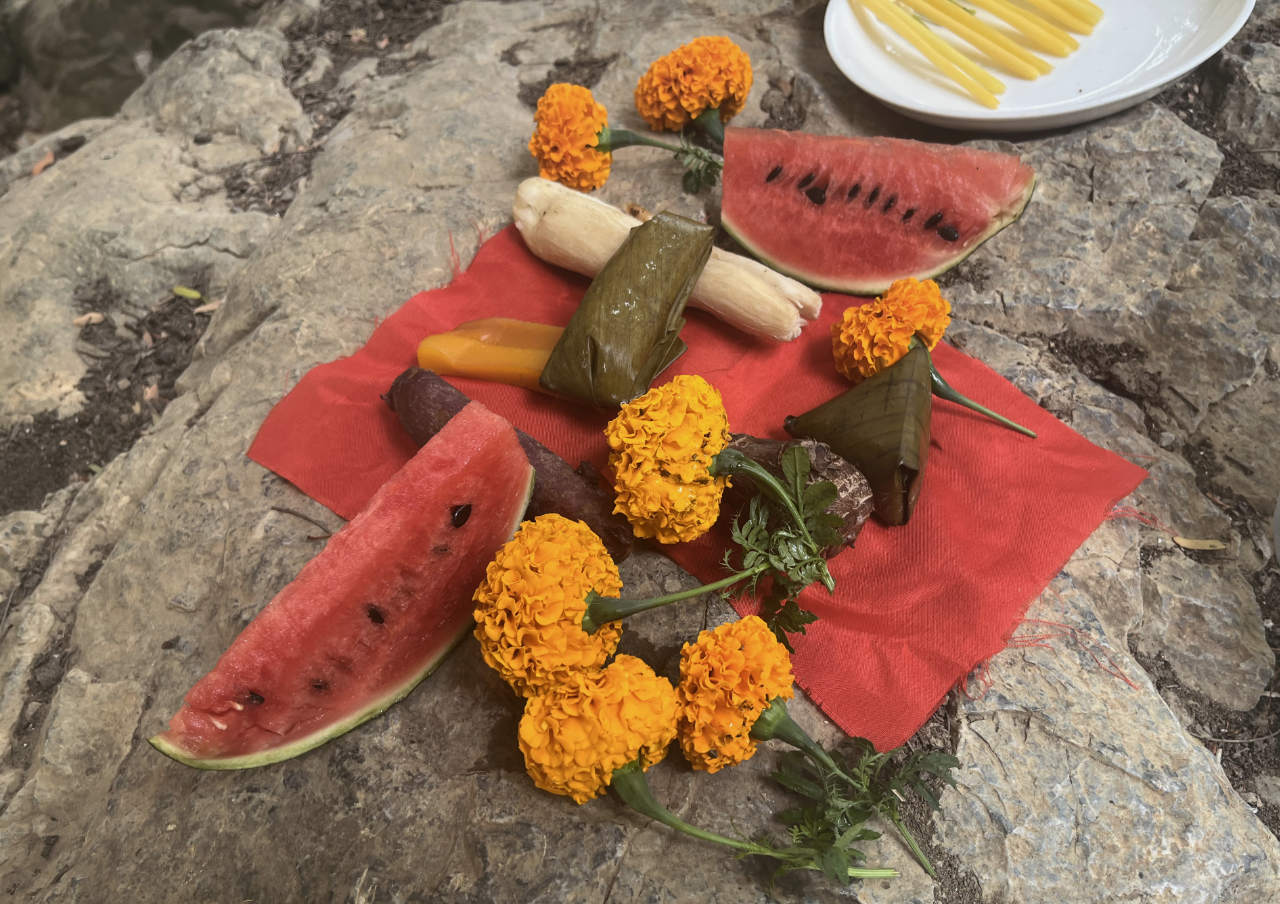
Then food gets served , a lot of Sticky rice and Lao lao. After that everybody gets a cotton string tied around their wrist. The shaman chats ຮ້າຍກວາດໜີ ດີກວາດເຂົ້າ (hāai kuat nī, dī kuat khao)"Sweep the bad away; sweep the good in." While the string is tied the other sit behind and touch the one who gets it string on shoulder or arm. After that more lao lao gets served. After the ceremony we leave sticky rice , fruits and the Maak Bengbehind as offering I drank too much and took a nap.
Later that afternoon, I saw two guests carrying the food offerings back toward camp. "We found someone's picnic," they explained. "They left all their rubbish behind, so we cleaned it up." I explained what is was about We turned around and returned everything to the place where it belonged.
Life on Hold
We still hadn't received any news from the authorities. The camp remained closed. Mentally, this was even more difficult than the weeks after the fire. Back then, there was always something that needed to be done. We had to rebuild, replace equipment, organize donations, and solve one problem after another. Staying busy kept our minds occupied. Now there was only uncertainty. There was nothing we could do to speed up the investigation or reopen the camp. We suddenly had plenty of time to renovate bungalows, repair buildings, or improve the facilities—but what was the point? Why invest weeks of work if tomorrow we might be told that the camp had to close permanently?
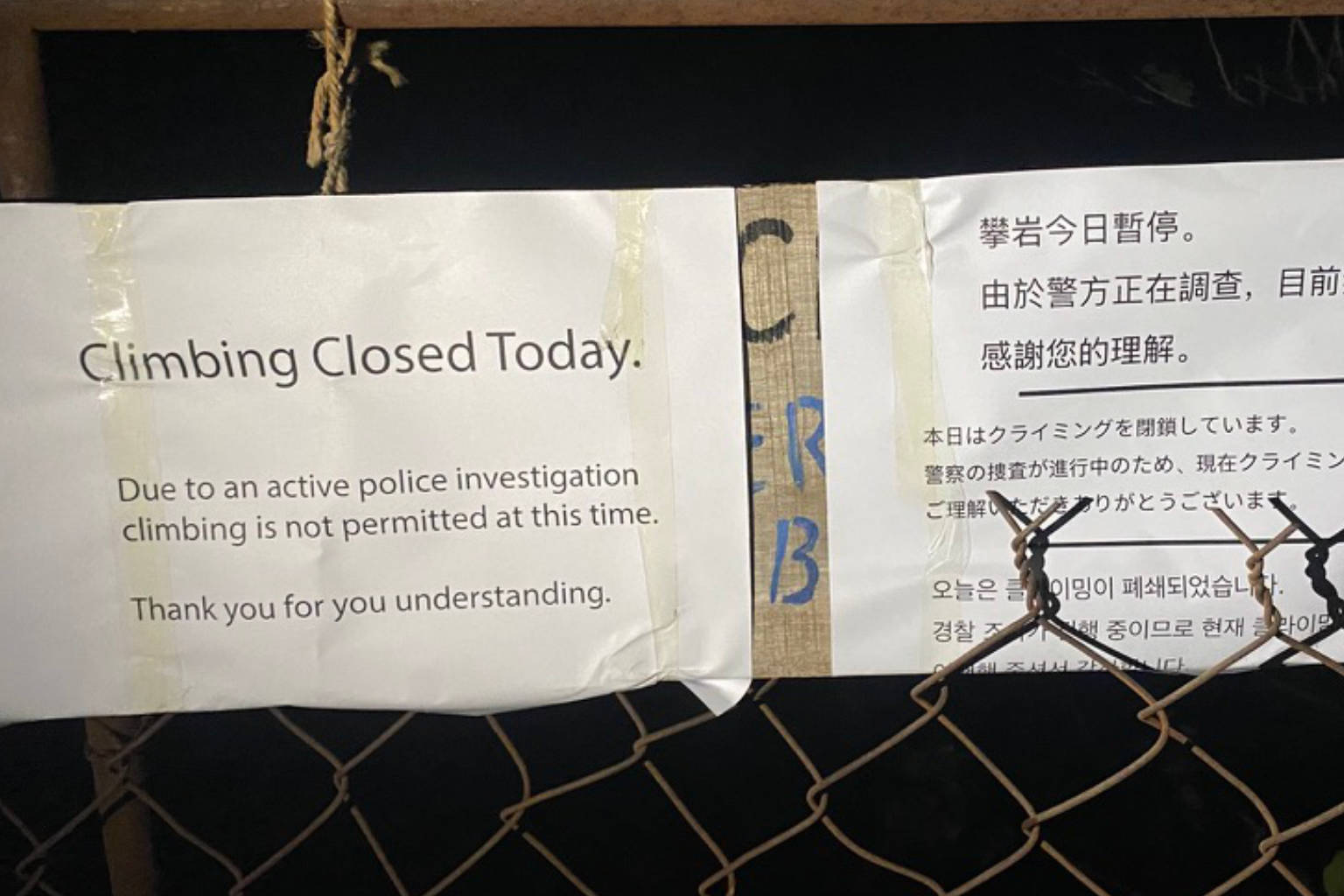
That uncertainty was the hardest part. It slowly drained everyone's motivation. With climbing suspended, we tried to distract ourselves by watching movies, going for runs, or doing yoga. At the entrance to the valley we put up a large sign explaining that the climbing area was closed. A few days later, Mr. Leng informed us that climbers staying in town were still entering the valley to climb. We had no choice but to enforce the closure ourselves. That somehow felt even more depressing. We worried that every person ignoring the ban might make it harder for the authorities to approve reopening the camp.
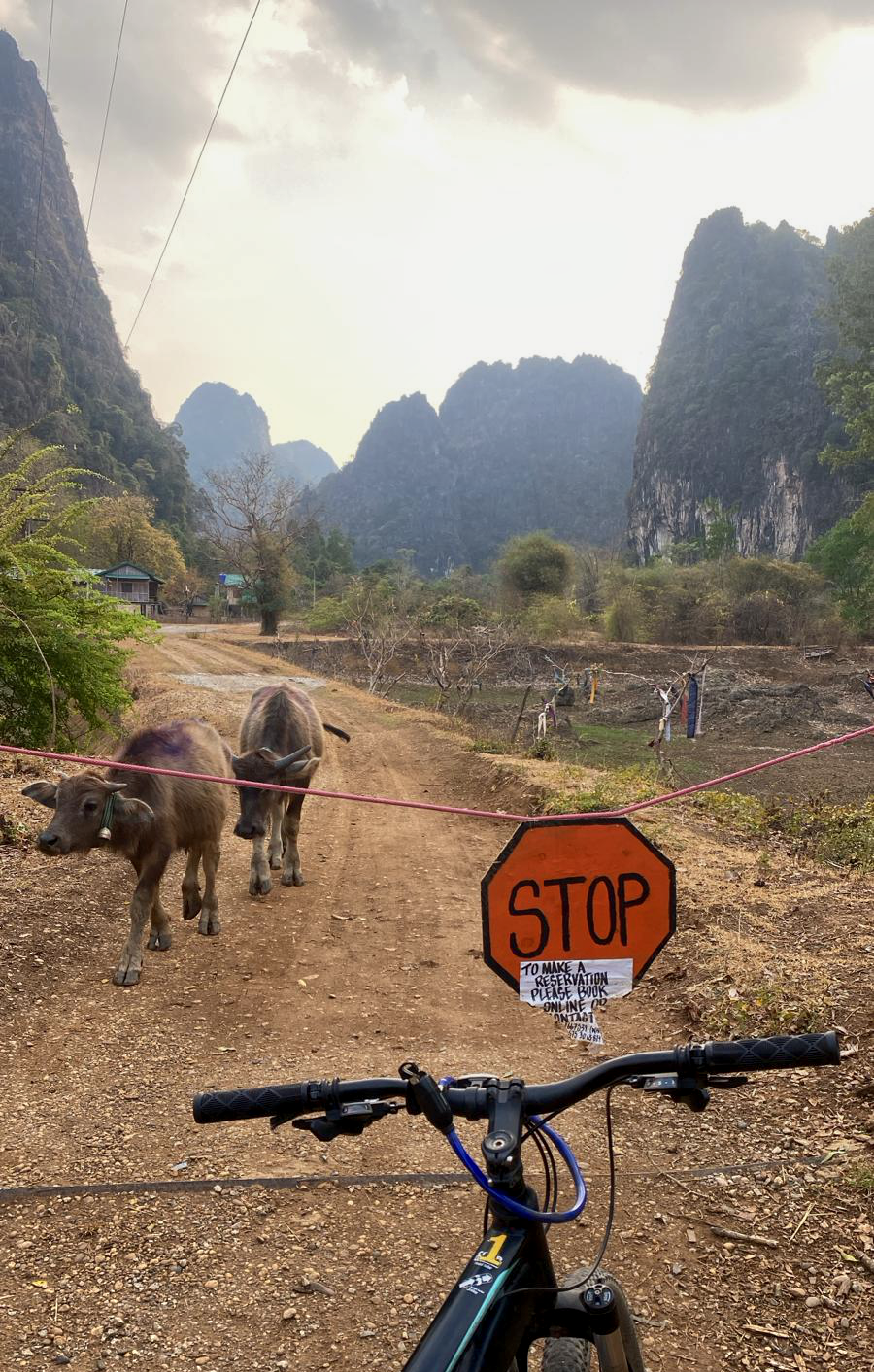
The volunteers who had stayed behind became reluctant guards at the entrance to the valley. It was probably one of the saddest jobs imaginable. Some climbers turned around without complaint after we explained the situation. Others argued that they didn't care about the closure. They said it was their own life and that we had no right to tell them where they could take risks. What hurt wasn't that they wanted to climb. It was that they seemed unwilling to consider the consequences for everyone else. The future of climbing in the valley, the livelihoods of local families, and the months of uncertainty we were living through all seemed less important than climbing a route that day.
To be fair, these people were a small minority. Most climbers were understanding, supportive, and wished us the best. Yet our brains have a strange habit of replaying the negative encounters far more often than the many positive ones. Looking back, I have to remind myself that the overwhelming majority of the climbing community stood behind us.
An Unexpected Beginning
With every day the camp remained closed, it became increasingly clear that we would not earn enough money to build a new restaurant before the next season. February is the last of the three high-season months, and together those three months generate the vast majority of our annual income. Every day of closure meant another day of lost revenue. The uncertainty about the future slowly turned into financial anxiety. If we wanted to rebuild, we needed to find another source of income.
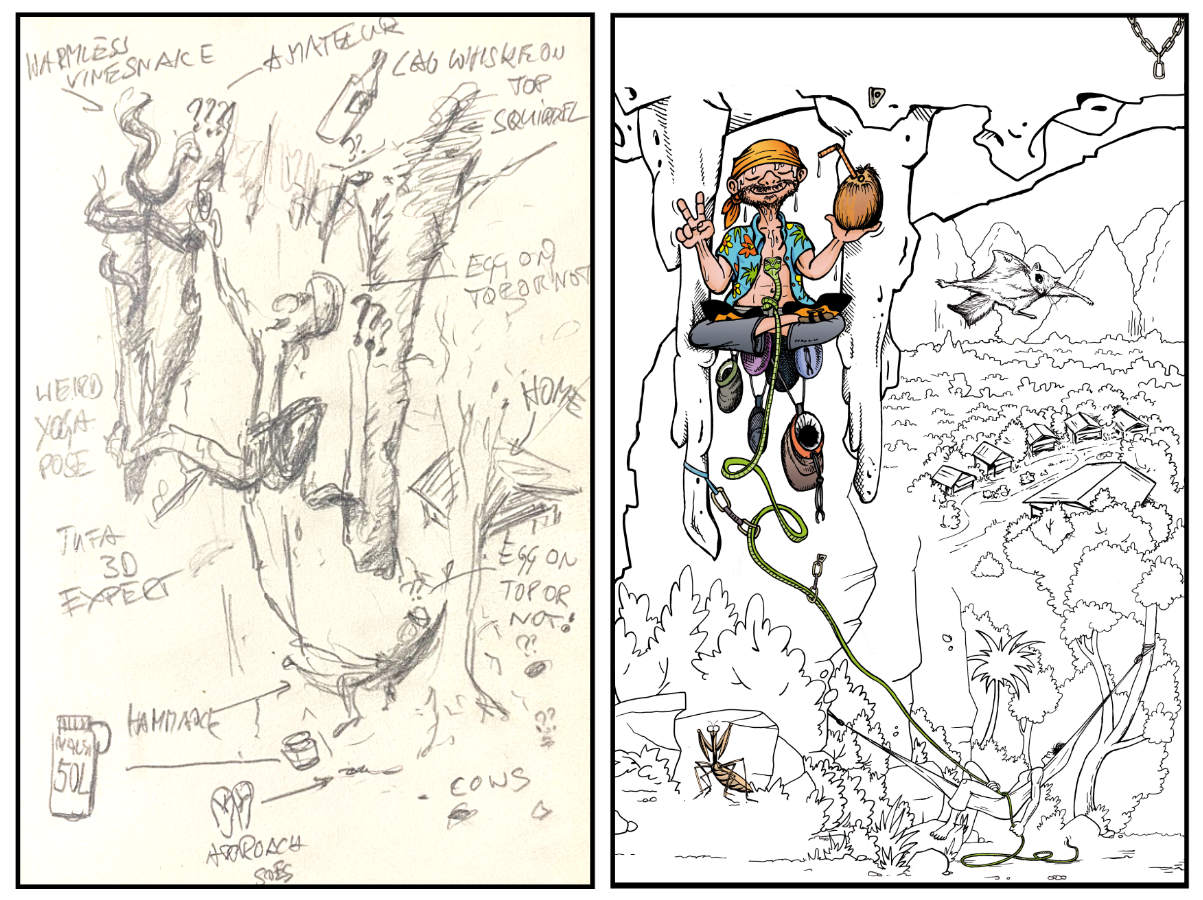
I contacted Erbse, a German comic artist whose drawings had already become part of Green Climbers Home. Several of his comics were hanging around the camp, and others had appeared in our climbing guidebook. I asked whether he would be interested in creating a poster that we could sell during the off-season to raise money. He immediately agreed.
For me, it became a welcome distraction. I picked up my sketchbook and started throwing ideas onto paper. Being creative again kept me sane. Looking back, those first rough sketches became the starting point of a project that would grow far beyond a fundraising poster. Over the following year, it evolved into something very close to my heart and brought me an unexpected amount of joy.
A Conditional Reopening
After three weeks, we were finally allowed to reopen—under one condition. Every climber had to demonstrate that they could safely clean an anchor before being allowed to climb. To make sure everyone completed the assessment, the authorities required that only guests staying at the camp were permitted to access the climbing area. Predictably, criticism appeared online almost immediately. Some people accused us of using the accident as an excuse to force climbers to stay at the camp and artificially increase our bookings. By that point, I had begun to understand that no matter what decision you make, someone will believe you had the wrong motives.
Perhaps that was one of the most valuable lessons from the whole experience: learning to let go of accusations you cannot change, and instead focusing on the many people who offer kindness, encouragement, and support. Those are the voices worth carrying with you.