Season 2024/25 Part 1
What Could Possibly Go Wrong?
At the time I had been working as a 3D Technical Artist, building tools for a Swiss company in the architectural visualization industry. For the previous two years I had coordinated projects with an external team in Vietnam, spending my days discussing software pipelines, deadlines, bug reports, and spreadsheets.
My qualifications for running a climbing camp in rural Laos were considerably less impressive.
I had never managed a hotel. I had never managed a restaurant. I had never managed a climbing camp. And apart from the numbers, I barely spoke any Lao.
Yet despite all of that, I was convinced it was the right thing to do.
The opportunity appeared when Sam and Melissa, who had managed Green Climbers Home during the years when I was a returning guest, decided to move back to the United States. The camp needed new management. For reasons that still seem questionable today, I volunteered.
The decision made perfect sense emotionally and very little sense on paper. Most people would probably have looked at the situation and identified a long list of reasons why it was a bad idea. I looked at the same list and somehow reached the opposite conclusion.
A few months later my friend Son and I were sitting on a bus heading toward Thakhek. We spent the journey talking about ideas, plans, and everything we wanted to improve at the camp. New projects. Better systems. Events. Renovations. The sort of ambitious conversations that are easy to have before any actual work has begun.
Outside, the rainy season was still lingering. Inside, we were busy designing the future.
Then there was a loud bang.
The driver fought the steering wheel as the bus lurched sideways. For a brief moment it looked as though we might leave the road entirely and end up in the ditch. Eventually the bus came to a stop and everyone climbed out to see what had happened.
An axle had broken about fifty kilometers before Thakhek.
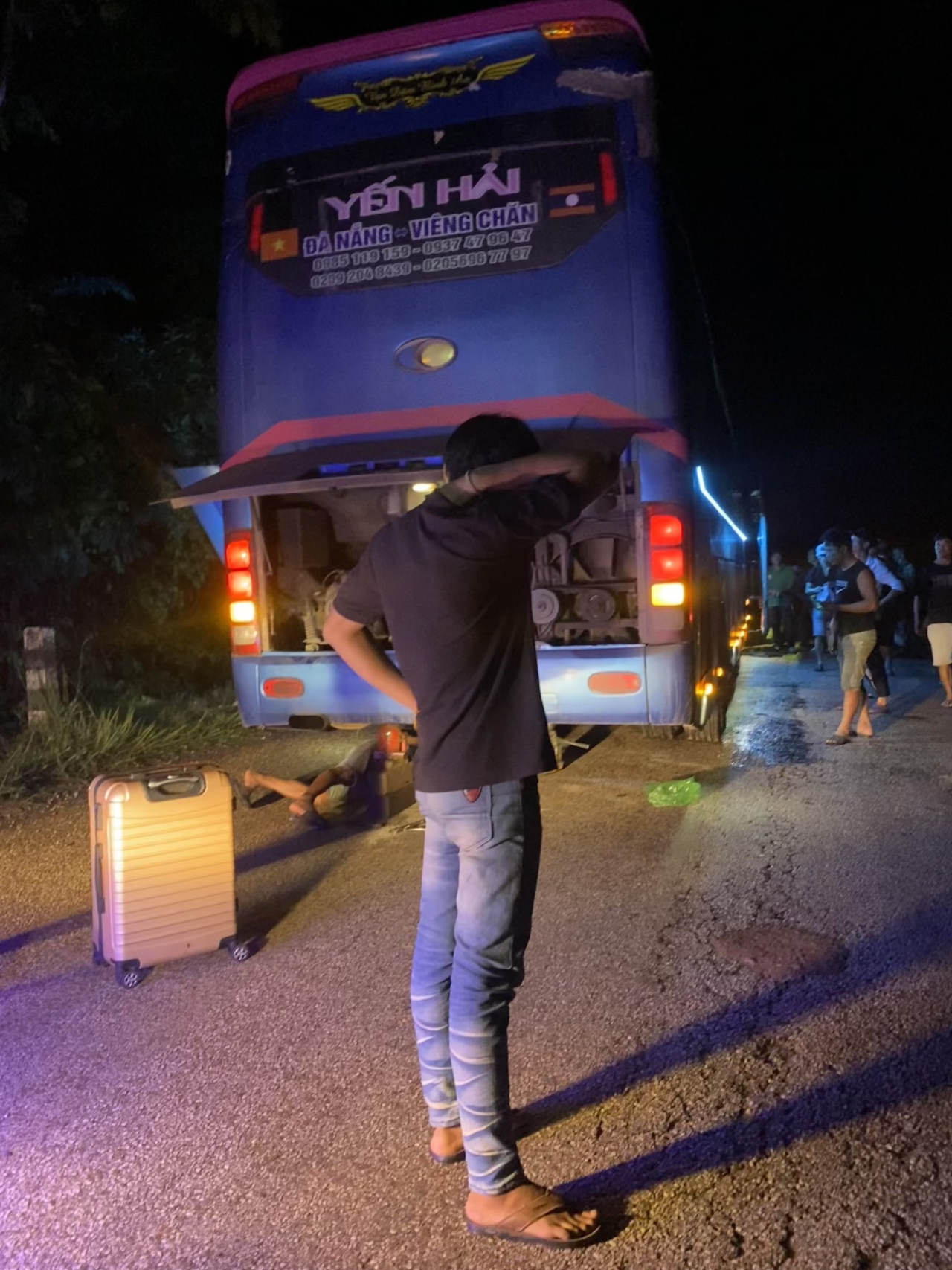
We stood in the rain beside a bus that had successfully carried us most of the way before deciding it had reached the end of its abilities. Passengers gathered along the roadside while drivers, mechanics, and various self-appointed experts inspected the damage. At the time it felt like an inconvenience. In hindsight, it was a surprisingly accurate forecast of the season ahead.
The Jungle Didn't Read Our Project Plan
The plan was ambitious. The resources were limited. Neither Son nor I had much idea what we were doing. We would spend the next months solving problems we didn't know existed, learning skills we had never expected to need, and repeatedly discovering that reality was less cooperative than our plans. But standing beside that broken bus in the rain, we didn't know any of that yet. We were simply excited to arrive. Camp 2 was waiting. The season was still four weeks away when we arrived.
I had left Camp 2 only five months earlier. In my mind, we would arrive, make a few improvements, finish some projects we had been discussing, and get ready for the season. Instead, the first lesson was simple: the jungle doesn't care about your plans.
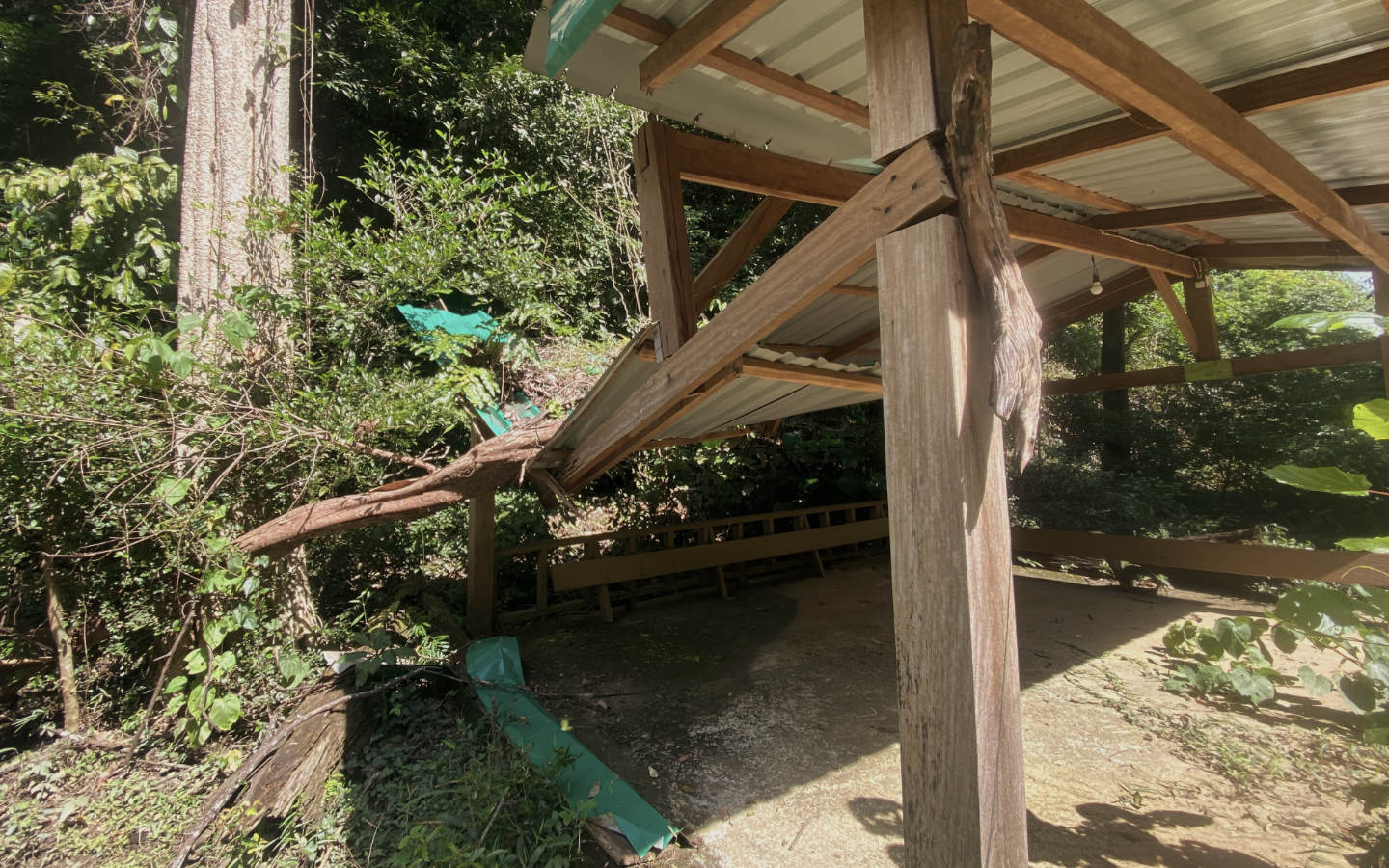
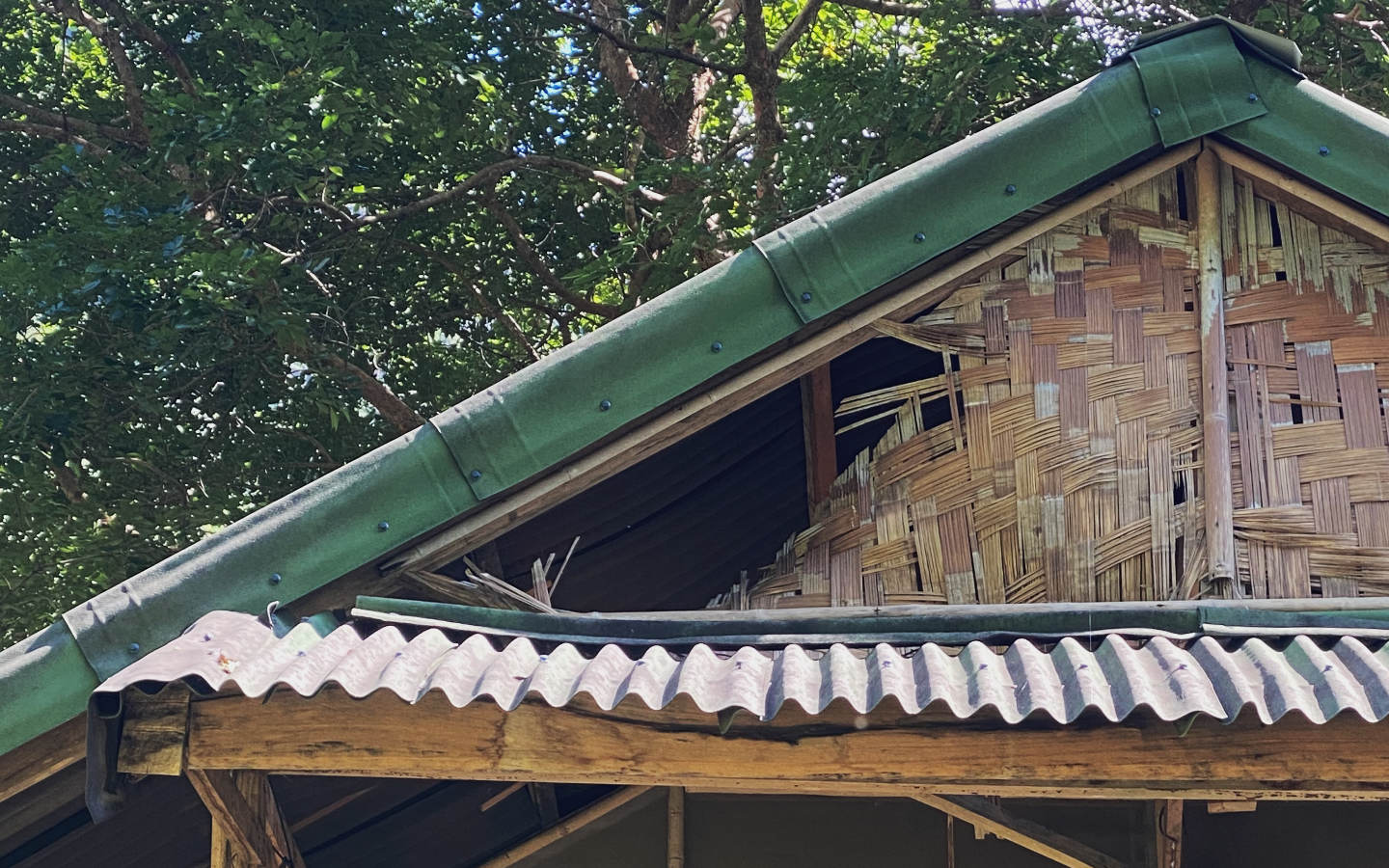
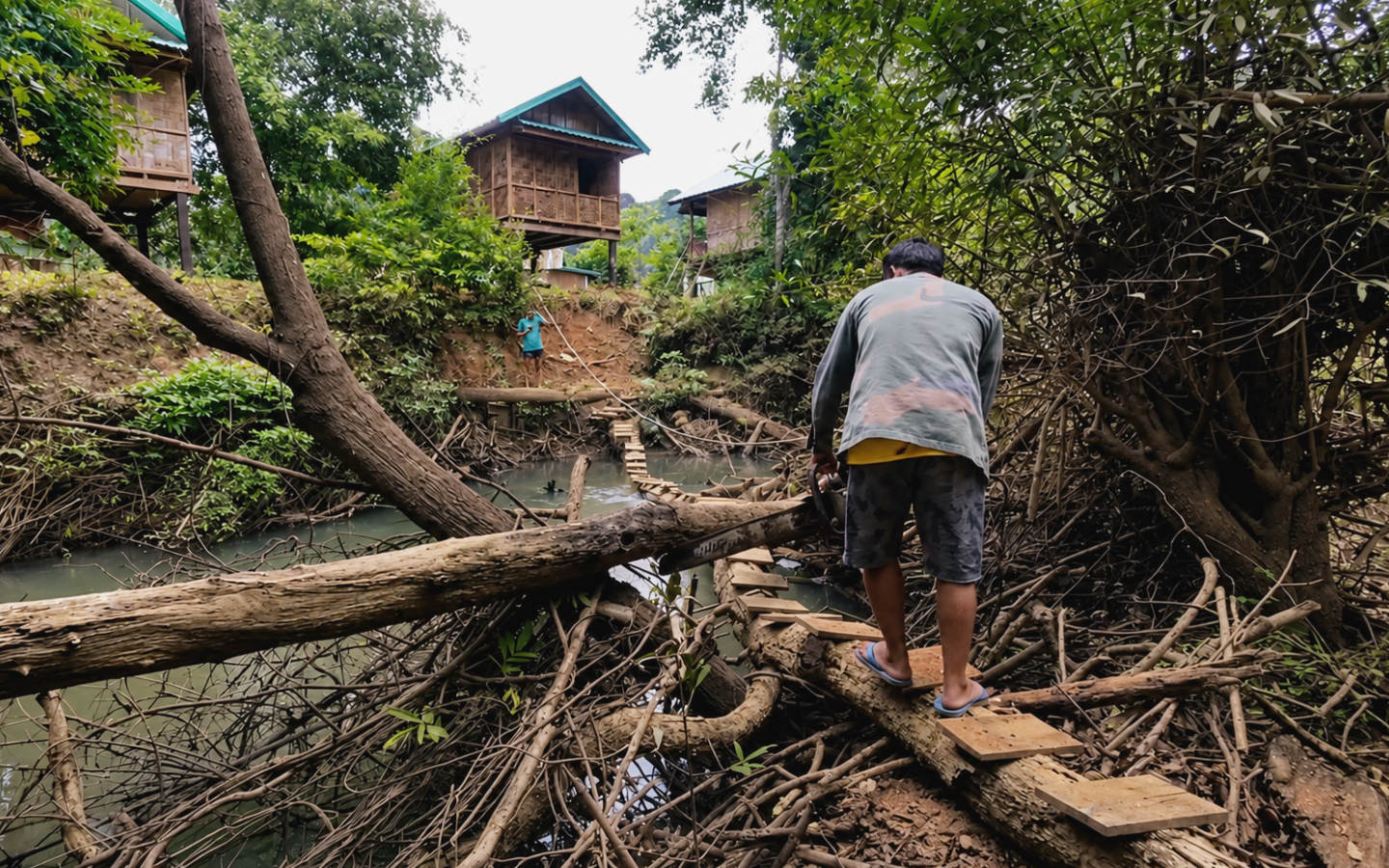
Every rainy season nature slowly reclaims the camp. Branches fall and crush bamboo walls. Moisture finds its way into everything. The soft ground shifts beneath the bungalows. Vegetation swallows paths, and driftwood and debris bury bridges. Things that looked perfectly fine in April suddenly need repair in October. I knew all of this in theory. I just hadn't expected it to happen so quickly.
The camp looked different from the place I remembered. Before we could improve anything, we first had to repair what was left behind.
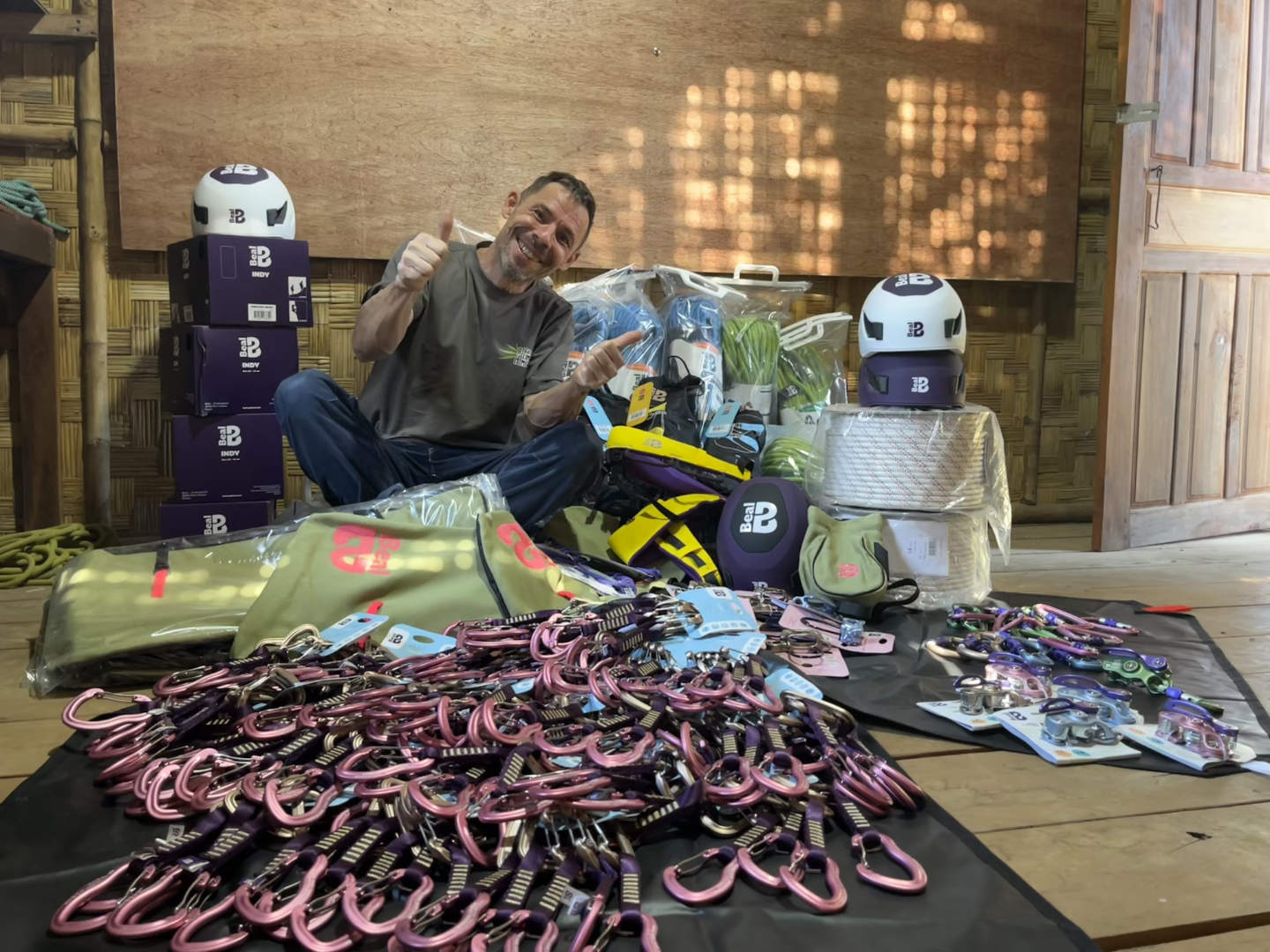
The ground was still muddy from the rainy season. The air was hot, humid, and heavy. Everywhere we looked there was work waiting. We started by taking inventory of everything we owned: kitchen equipment, climbing gear, tools, furniture, building materials, spare parts, and a surprising number of objects whose original purpose had been lost somewhere in camp history.
The list of jobs grew quickly. The kitchen needed renovation, the gear room needed attention, several bungalows needed repairs, and countless small things had to be fixed before guests could arrive. Only after that could we start working on the improvements we had imagined during the bus ride from Hanoi.
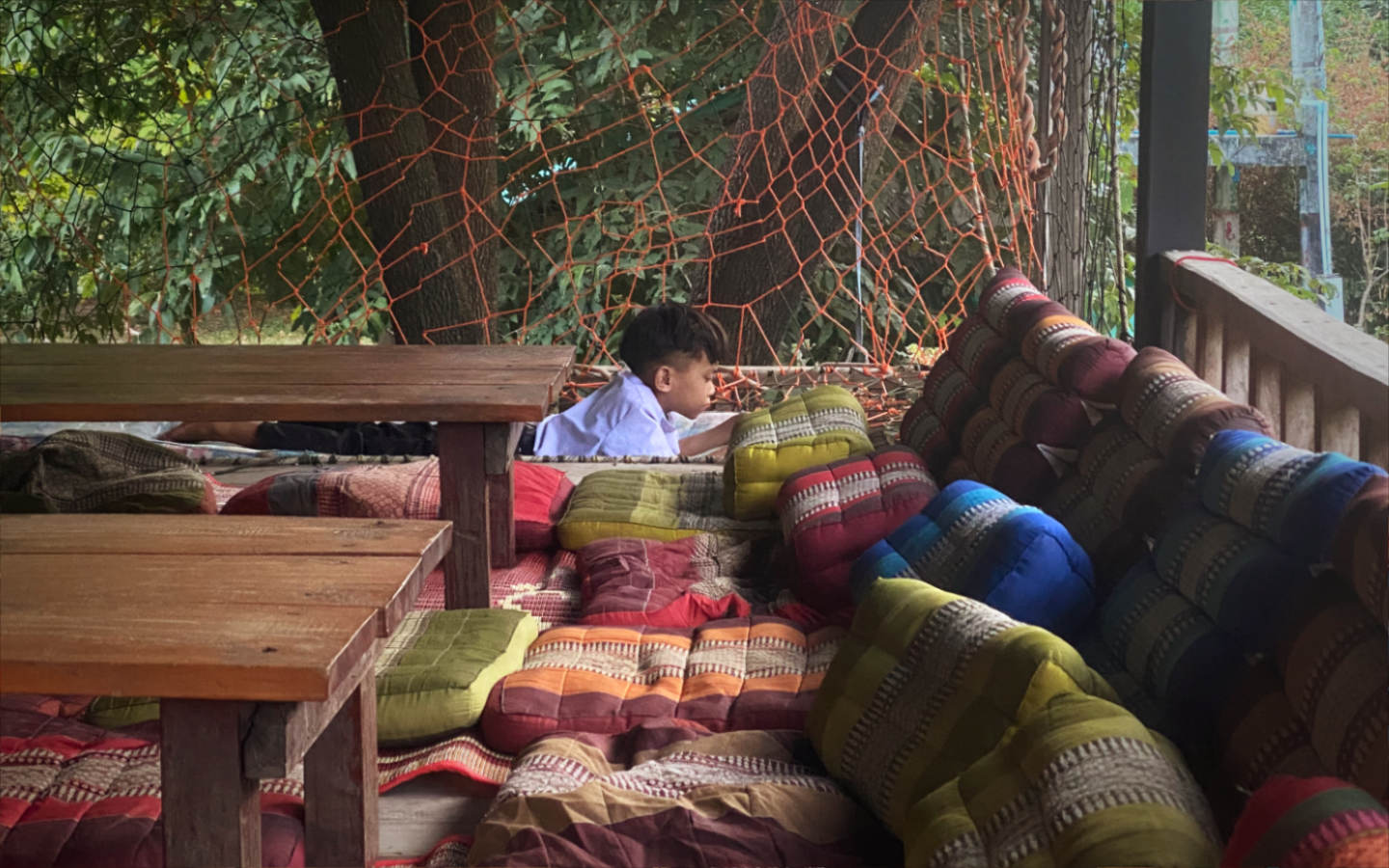
We wanted the camp to feel better than before. More comfortable, more welcoming, more alive. One of our favorite ideas was installing a space net to create a cozy lounge corner where people could relax, read, work, or simply avoid doing whatever they were supposed to be doing.
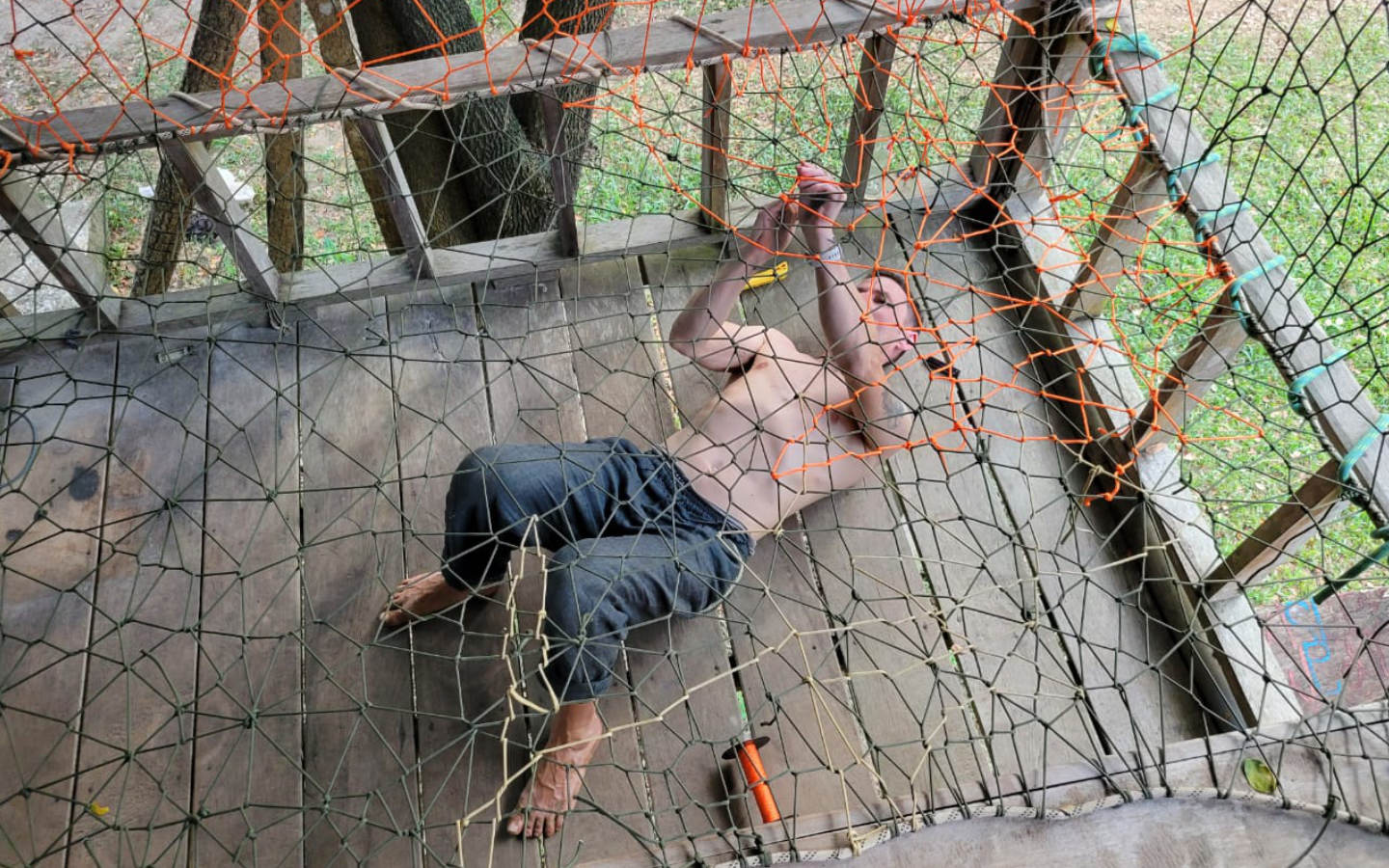
The work itself was rarely complicated. It was everything around it that made it interesting. The electricity disappeared so often that we stopped being surprised. I had spent years working behind a computer, yet suddenly I found myself building furniture and driving screws into hardwood with a manual screwdriver. I had almost forgotten such tools existed.
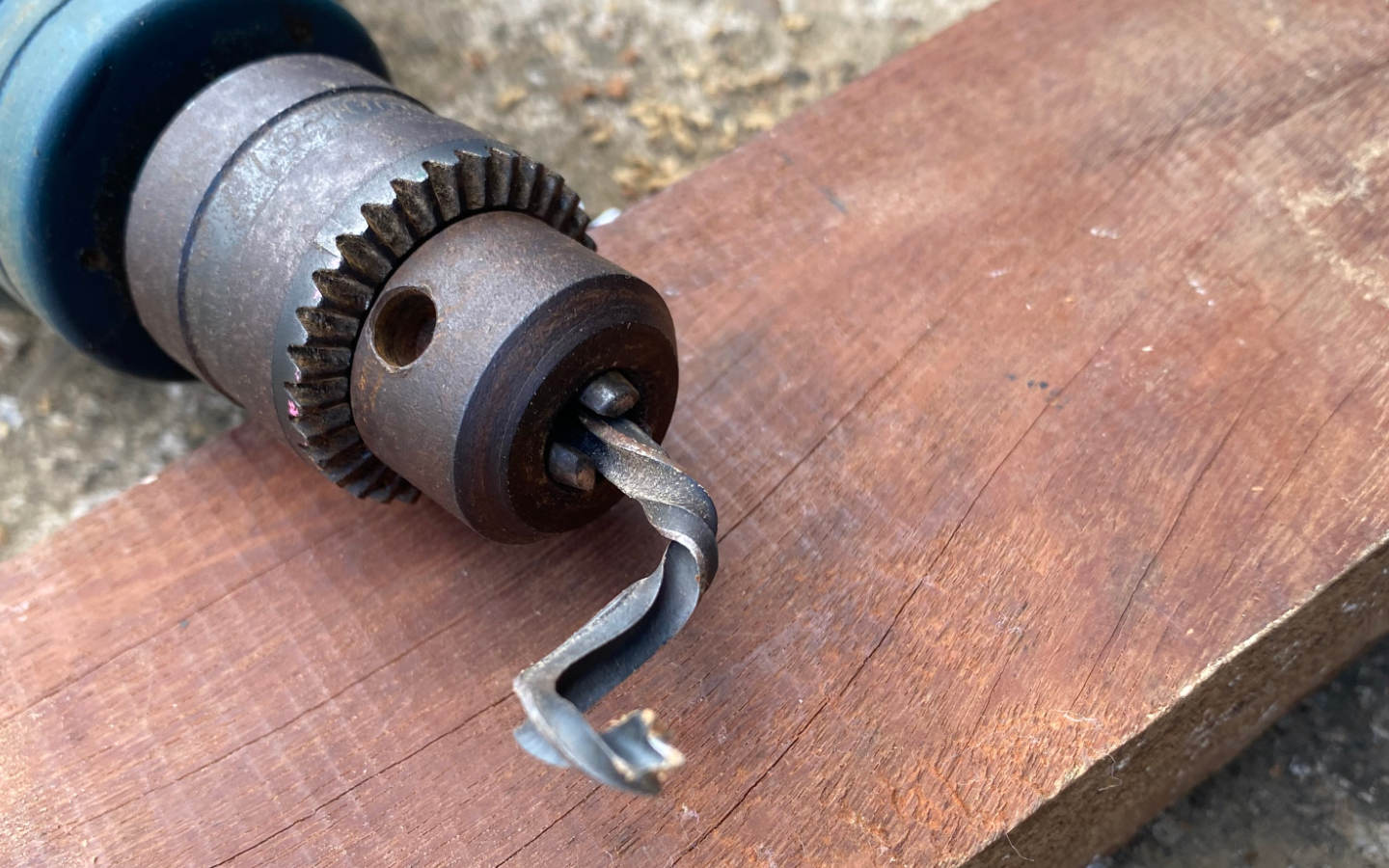
Working in Laos has its own logic. The wood was incredibly hard, but the nails were surprisingly soft. The drill bits seemed even softer. Every day we burned through a handful of them just to drill a few holes. Sometimes they became so worn that they stopped drilling and started polishing the wood instead. It honestly felt like the drill bits were slowly undrilling themselves.
Then the circular saw gave up as well.
Back in Germany that would probably have meant a quick trip to the hardware store. Here it meant grabbing a handsaw and carrying on. The work became slower, sweatier, and far more physical than we had expected. Neither Son nor I climbed much during those weeks because there simply wasn't time. Still, at the end of every day our forearms felt as if we had spent hours projecting steep routes. Whenever motivation started to fade, we reminded ourselves that at least we were training for the season.
Not very efficient training, perhaps, but training nonetheless.
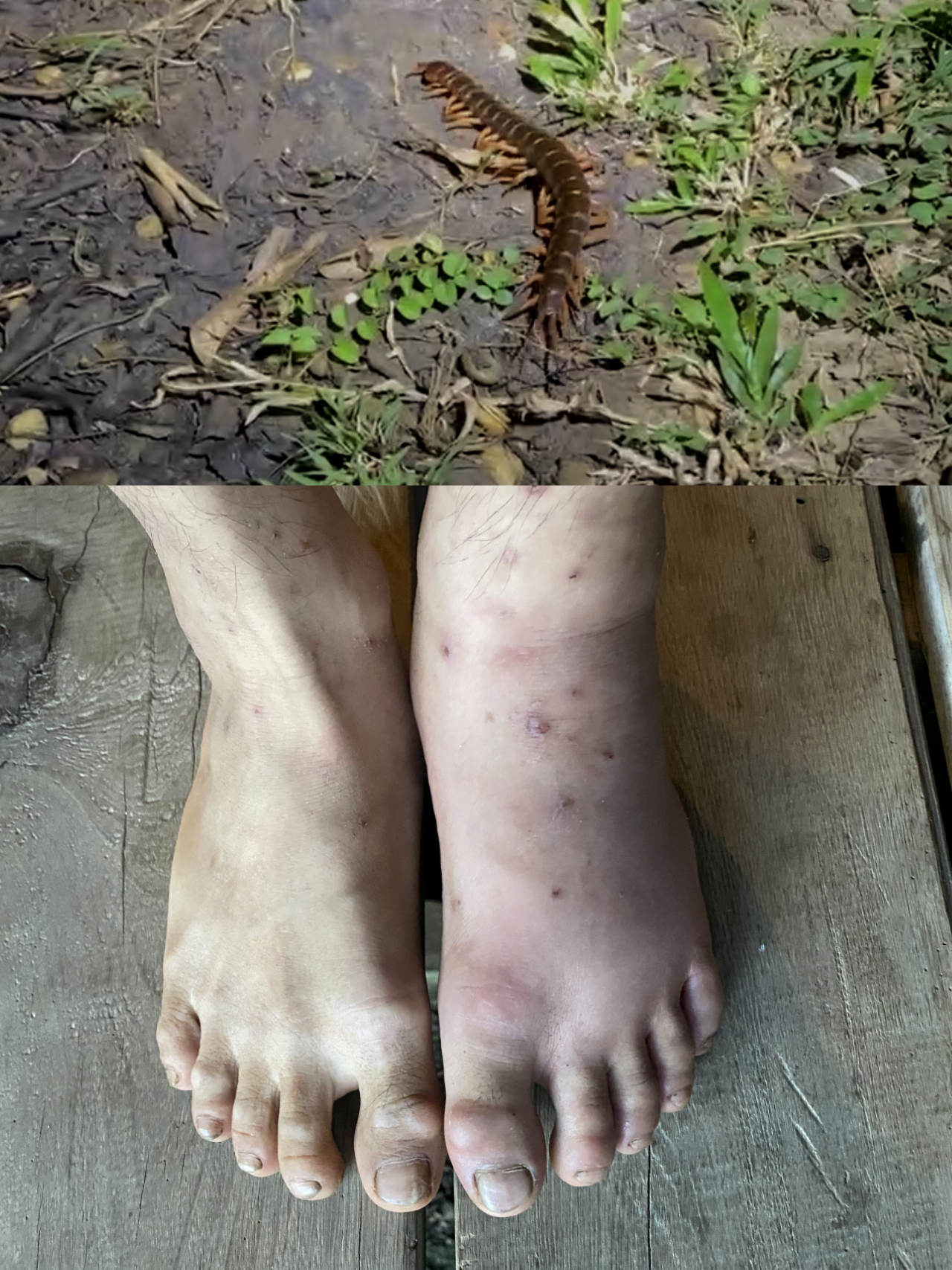
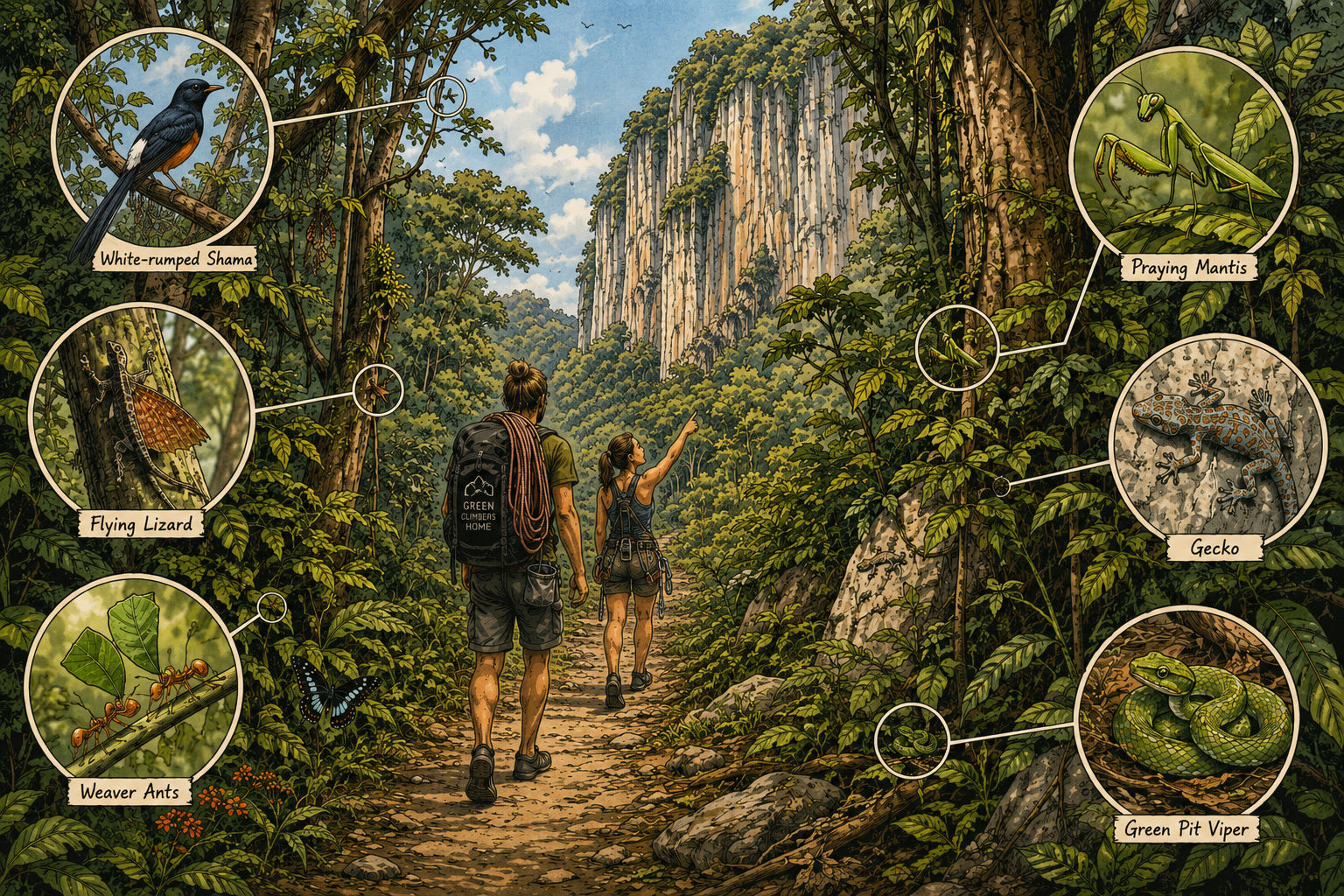
Then Son got bitten by a centipede. To this day it remains one of the most painful things I have witnessed. Watching him deal with that level of pain was enough to make me permanently respect every oversized insect in Laos. Fortunately, he recovered, and the work continued.
Little by little the camp started looking alive again. The kitchen came together. The gear room looked better. The guest rooms were ready. The space net was hanging. Against all expectations, we were almost finished.
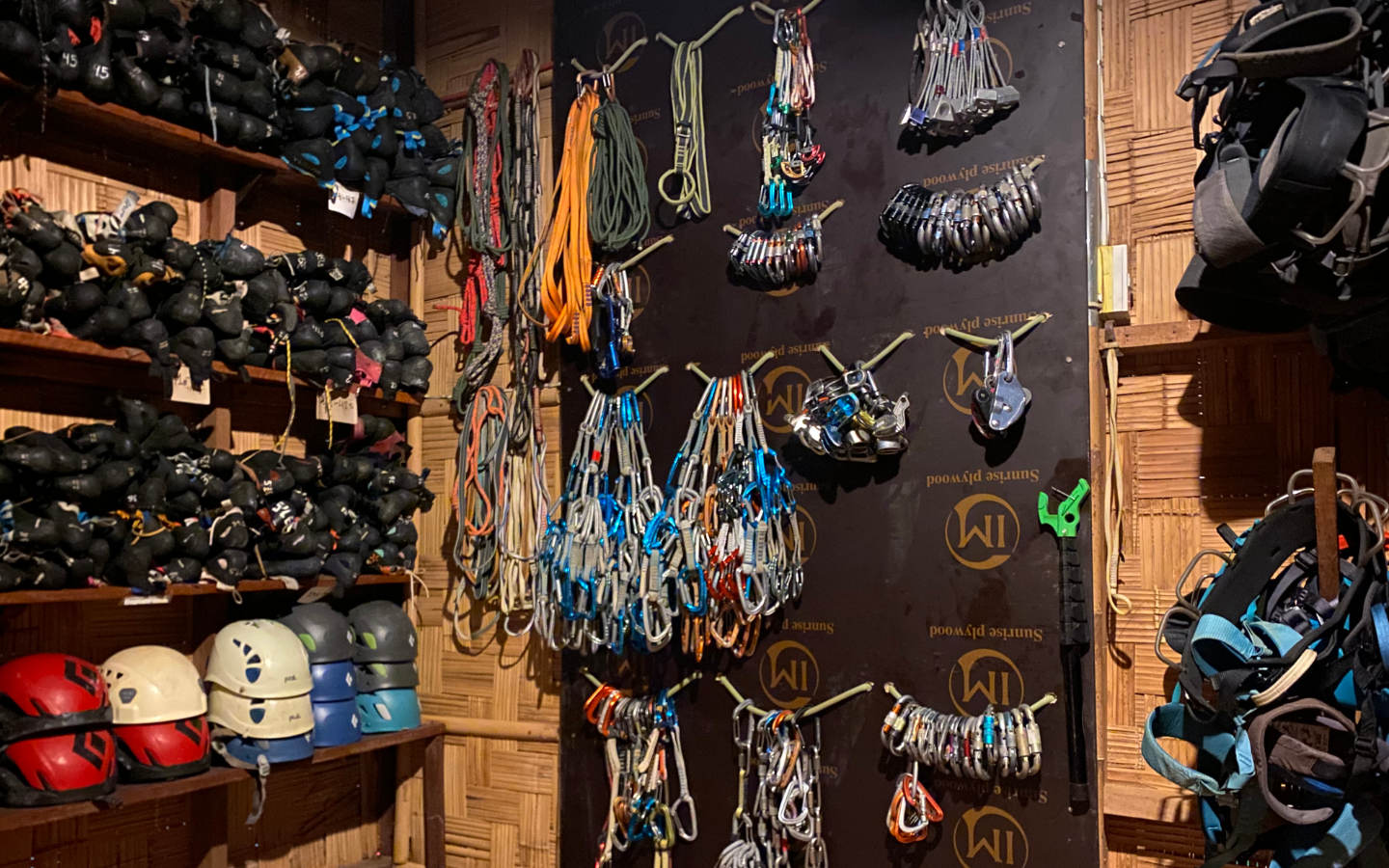
The day before opening, we gave the staff a well-deserved day off. For the first time in weeks there was nothing left to build, repair, paint, clean, organize, or move. We were exhausted, but we were also excited.
Many guests return to Green Climbers Home year after year. Some had been coming long before I became part of the camp. I remember wondering what they would think. Would they like the changes? Would the camp still feel familiar? Or would it feel like somebody had quietly rearranged their home while they were away?
The next day we would find out.