Flying Dragons - Meet the Gliding Lizard

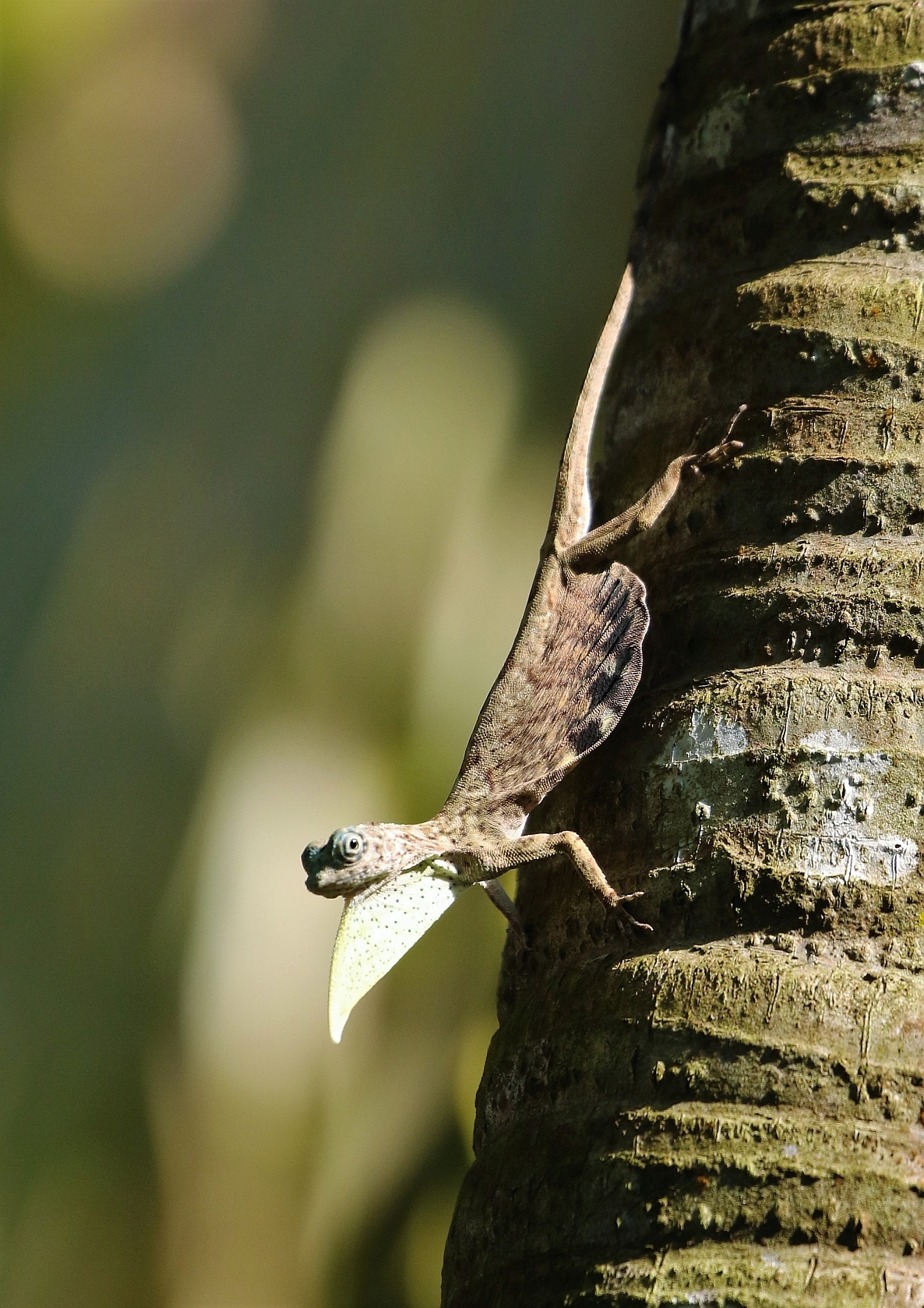
You can walk past one without ever knowing it is there. The gliding lizard is one of the most unusual animals living around Green Climbers Home, but also one of the hardest to spot. Sitting quietly on tree trunks, these small reptiles disappear into their surroundings. Only when they spread their wing-like membranes and glide through the forest do they show their true nature.
The common flying dragon (Draco volans) is a Southeast Asian lizard with a unique adaptation: the ability to glide from tree to tree using extensions of skin supported by elongated ribs.
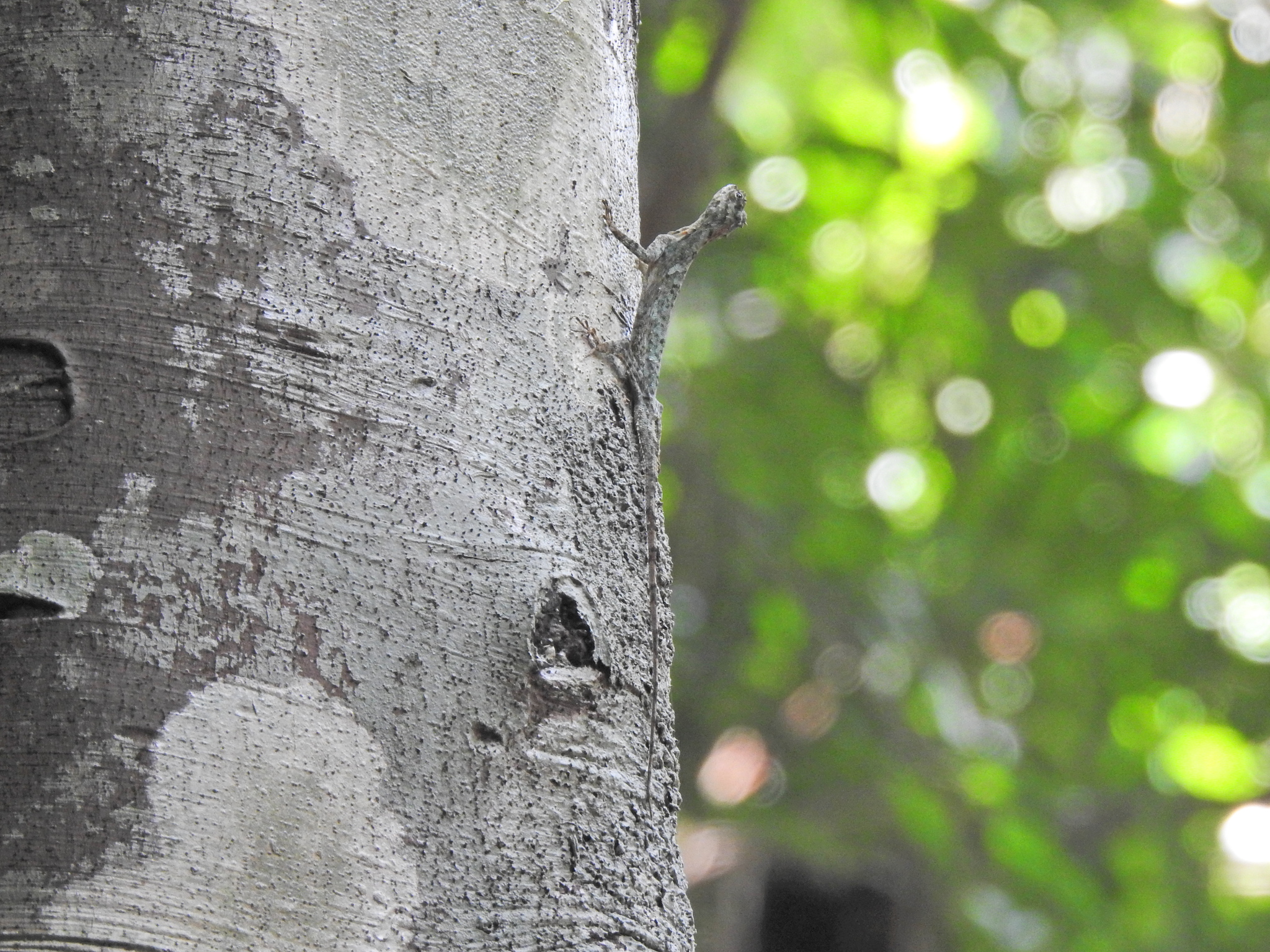
Masters of Camouflage
The hardest part isn't seeing one glide - it's finding one sitting still. Flying dragons spend nearly their entire lives on tree trunks. Their gray and brown patterns blend perfectly with bark, making them almost invisible. Unless they move, most hikers walk straight past them without noticing.
Where and How to Spot Flying Dragons
Several Draco species occur throughout Southeast Asia, but they are generally more abundant in the warm lowland forests farther south. Around climbing areas such as Tonsai Beach, you have a particularly good chance of spotting one. They can also be found in central Laos, although sightings are less common.
Flying dragons are active during the day and remain almost entirely in the trees. They move throughout the entire tree - from the lower trunk to the outermost twigs, so do not search only among the leaves. Look carefully at exposed trunks and branches, particularly during the late morning and afternoon, when they are most active.
Pay special attention to patches of bark with busy ant or termite trails, as these insects make up most of their diet. Climbing crags can provide an excellent viewpoint: from higher ground, you can often look directly into the surrounding tree crowns.
And do not just look for a motionless lizard. Draco regularly glide between trees while feeding, defending territories or escaping danger. If you watch an active tree for a while, there is a real chance you may see one launch from a trunk, spread its wing-like membranes and glide across the forest.
Source: Natural History Observations of the Flying Lizard, Draco volans sumatranus.
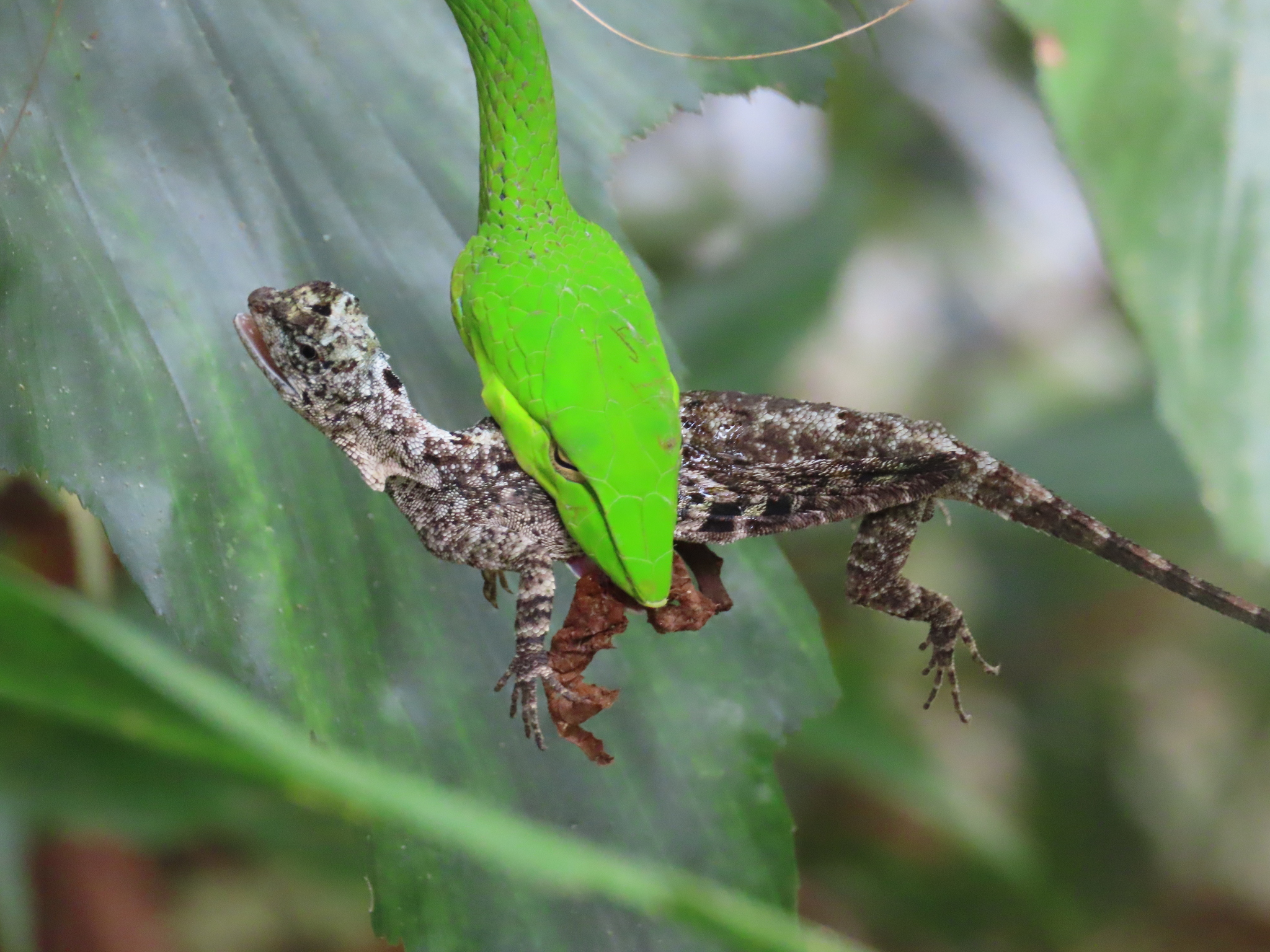
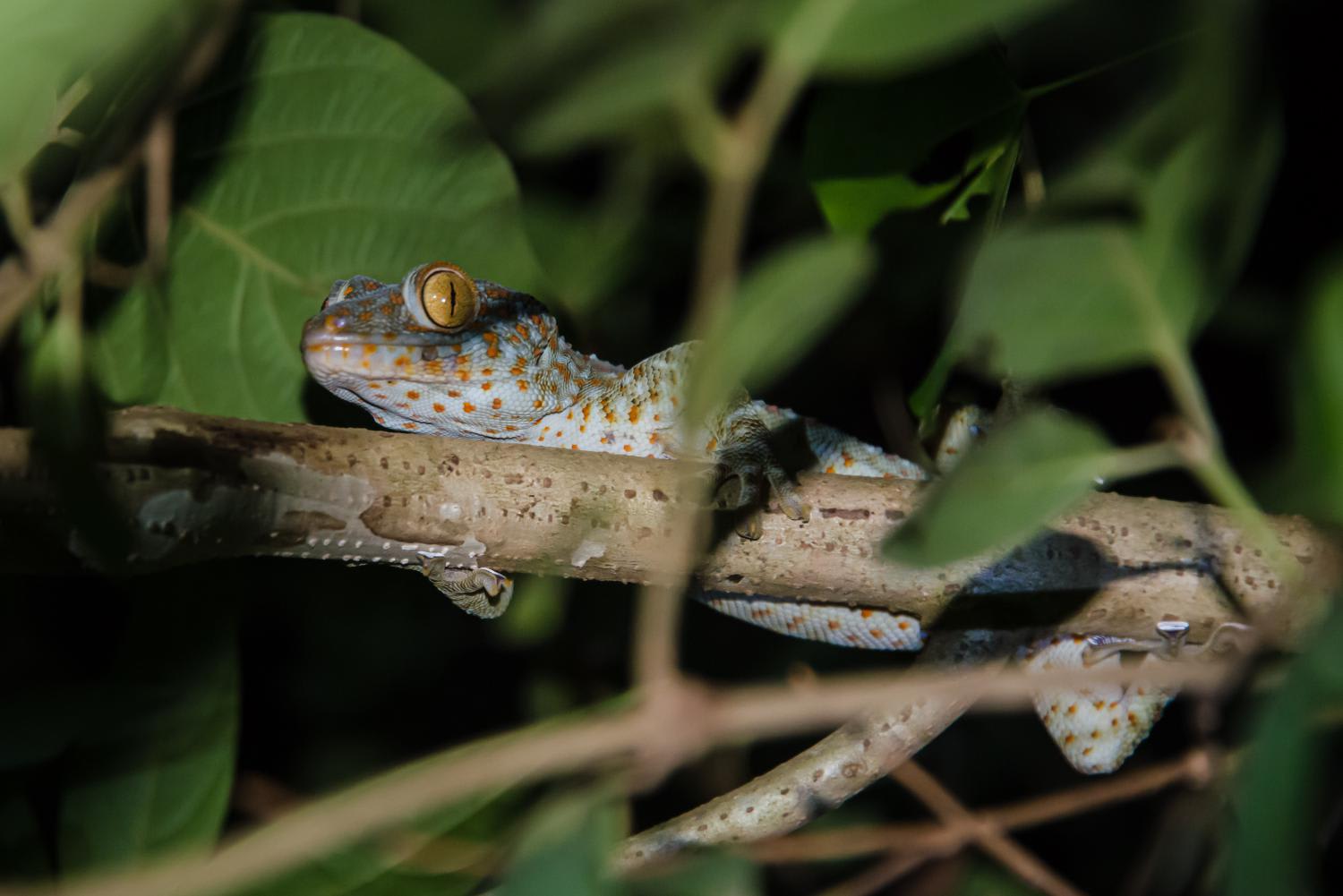
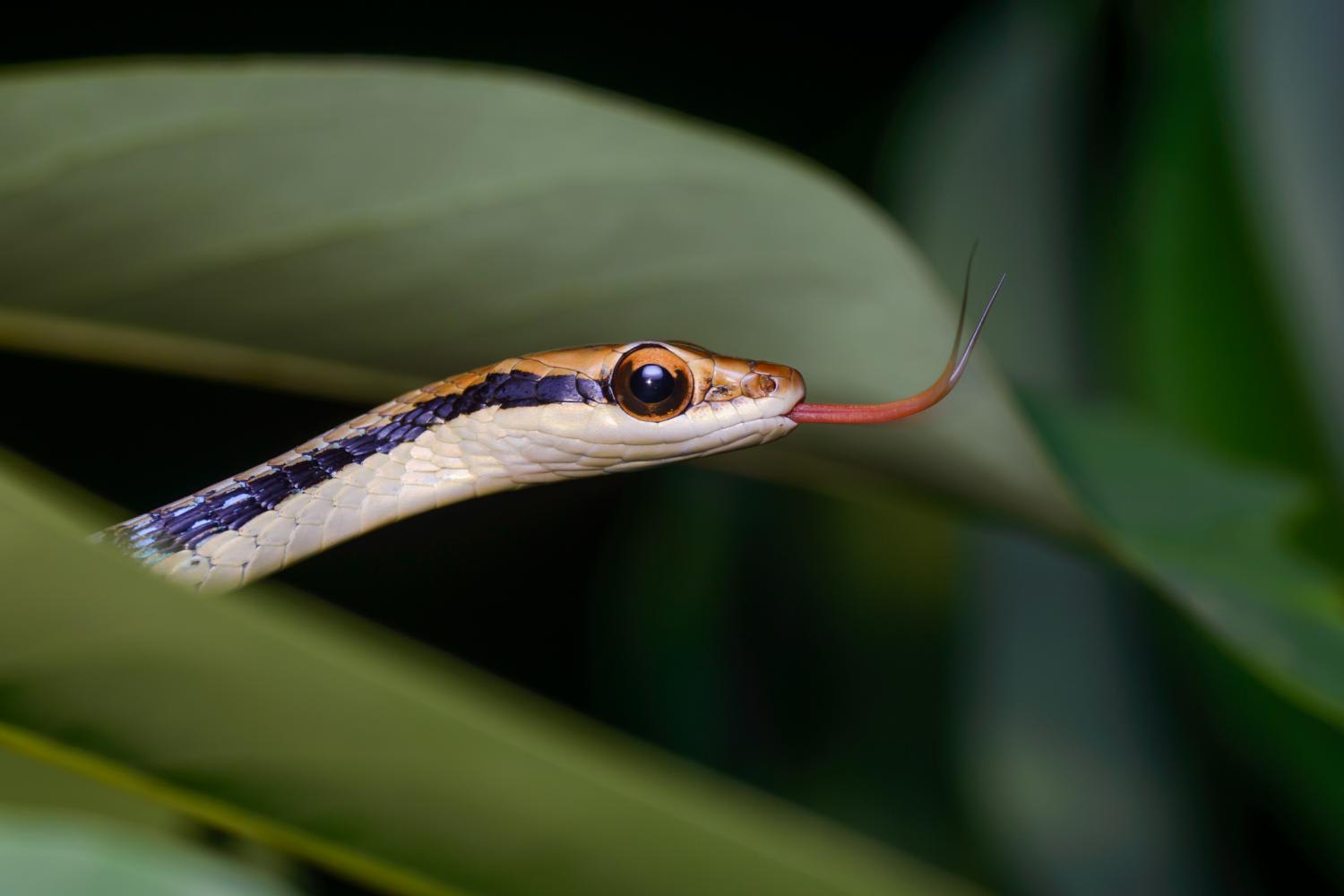
An Asian vine snake catches a lizard among the branches. These snakes hunt mainly lizards and frogs, making them a natural predator of flying dragons. Article with more information to the Asian Vine Snake
Harmless Forest Acrobat
Flying dragons are completely harmless to humans. They don't bite unless handled and pose no danger to climbers or hikers. Their remarkable gliding ability has fascinated scientists for decades and even inspired engineers studying efficient aerial movement.
Conservation
The Common Flying Dragon (Draco volans) is currently listed as Least Concern on the IUCN Red List. It remains widespread across much of Southeast Asia and faces no major threats at present. However, like many forest-dwelling species, it depends on healthy woodland habitats. Protecting Southeast Asia's forests ensures these tiny aerial acrobats continue gliding through the canopy for generations to come.
Sources
https://en.wikipedia.org/wiki/Draco_volans
Copyright
Eric Delaquise
https://www.inaturalist.org/photos/74987400
Jan McAllan
https://www.inaturalist.org/observations/219655885
Carlos Sanchez
https://www.inaturalist.org/observations/28224382
Yi-Kai Tea
https://www.inaturalist.org/observations/168460930
creativecommons Attribution-ShareAlike 4.0