A Guide to Exploring the Valley's Caves

Introduction
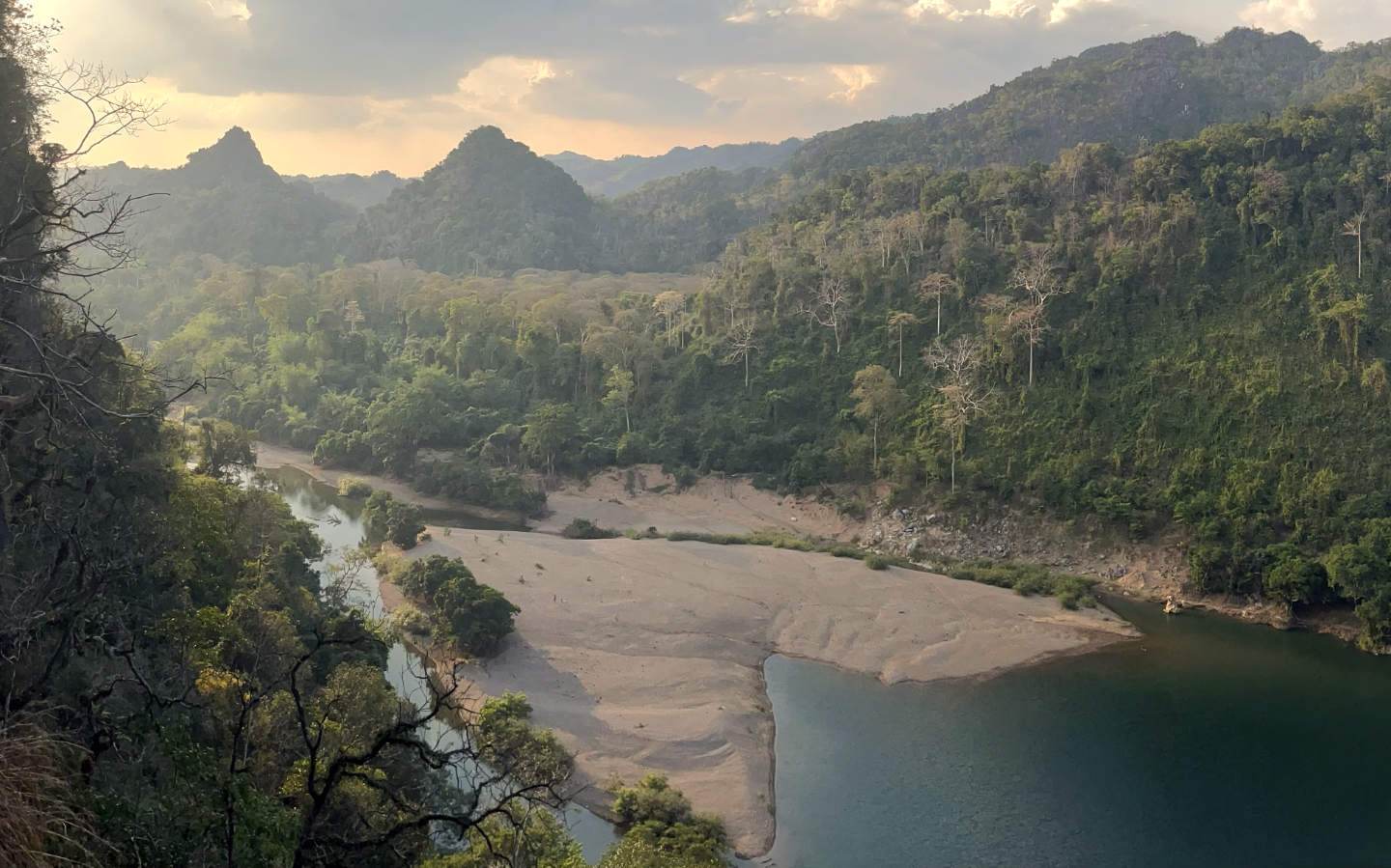
The limestone valley is home to dozens of caves, each with its own character. Some are vast chambers, others narrow passages, and many provide a habitat for unique wildlife, from bats and swifts to spiders and cave-adapted insects. This guide introduces some of the caves you can visit and what to expect from each.
Before heading underground, always let somebody at the camp know which cave you plan to visit. If you don't return by the evening, we'll know where to start looking and can organize a search if necessary.
Bayrischer Wald Cave
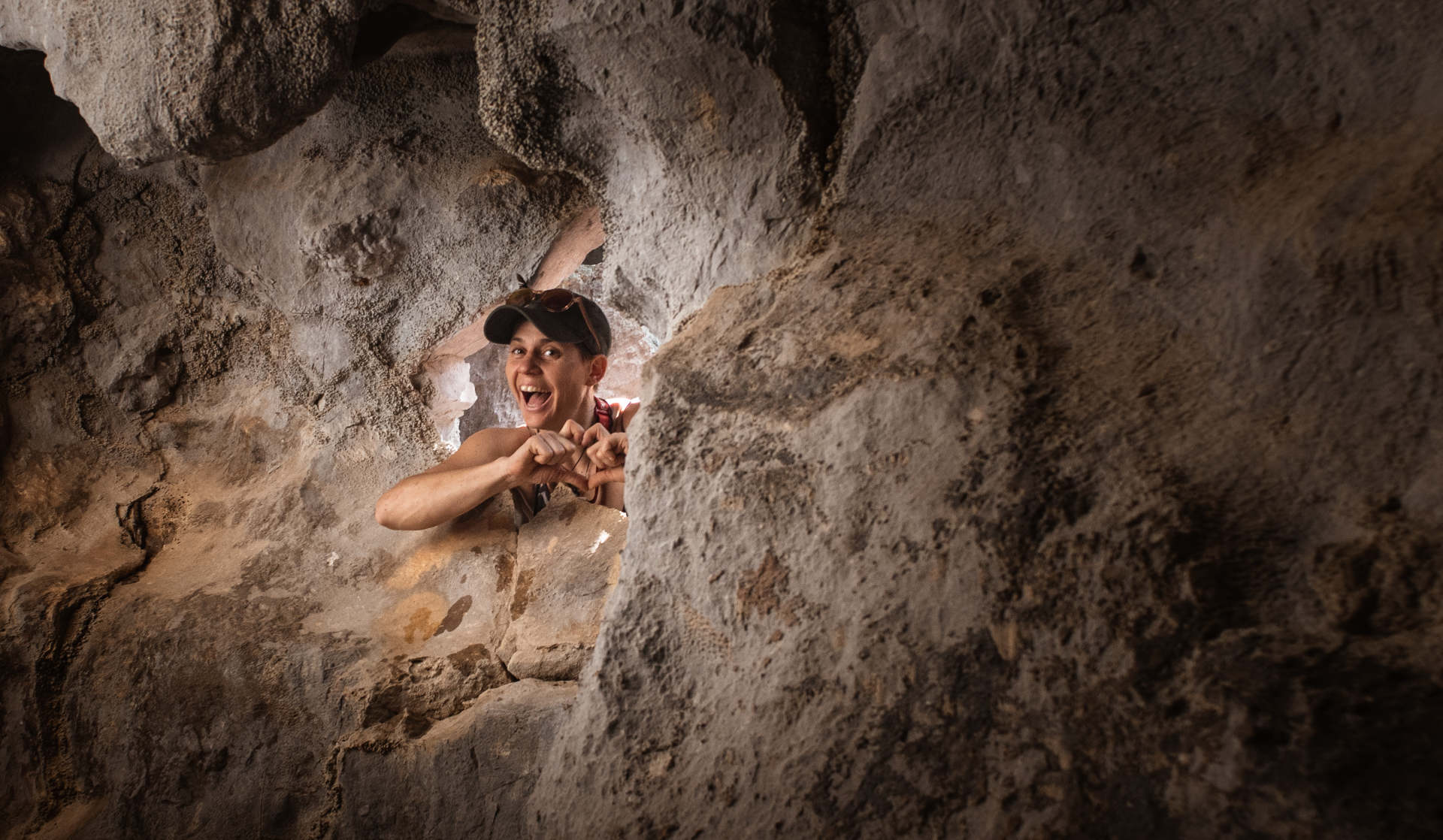
Just a 10-minute walk from Camp 2, this small cave is located on the right side of the Bayrischer Wald climbing sector. The entrance is beside the route Gschafflehuber. Climb over the large boulder in front of the entrance, and you'll find yourself inside.
Exploring the main chamber takes about 20 minutes and involves some easy scrambling over rocks. The cave extends behind the Hangover sector, and during the day you can often hear climbers on the routes above. Near the end of the main chamber, a narrow side passage continues towards an exit behind the Hangover wall. Be prepared to crawl and squeeze through a few tight sections if you want to complete the traverse.
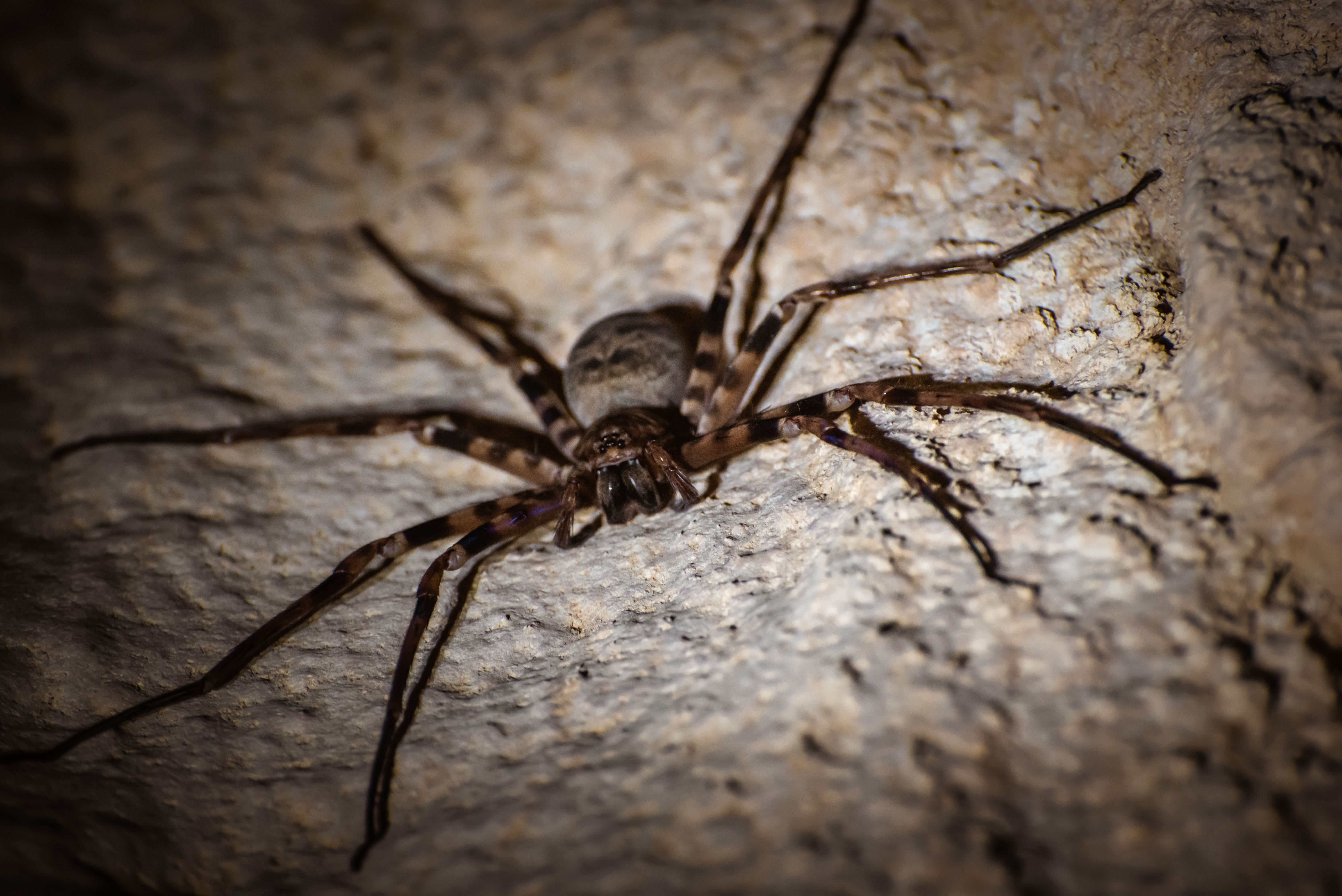
The highlight of this cave is its impressive population of huntsman spiders. Central Laos is home to some of the largest huntsman spiders in the world, with leg spans reaching up to 35 cm. Despite their intimidating size, they are harmless to humans. Few places offer such an accessible opportunity to observe these remarkable giants in their natural habitat.
Burnout Cave
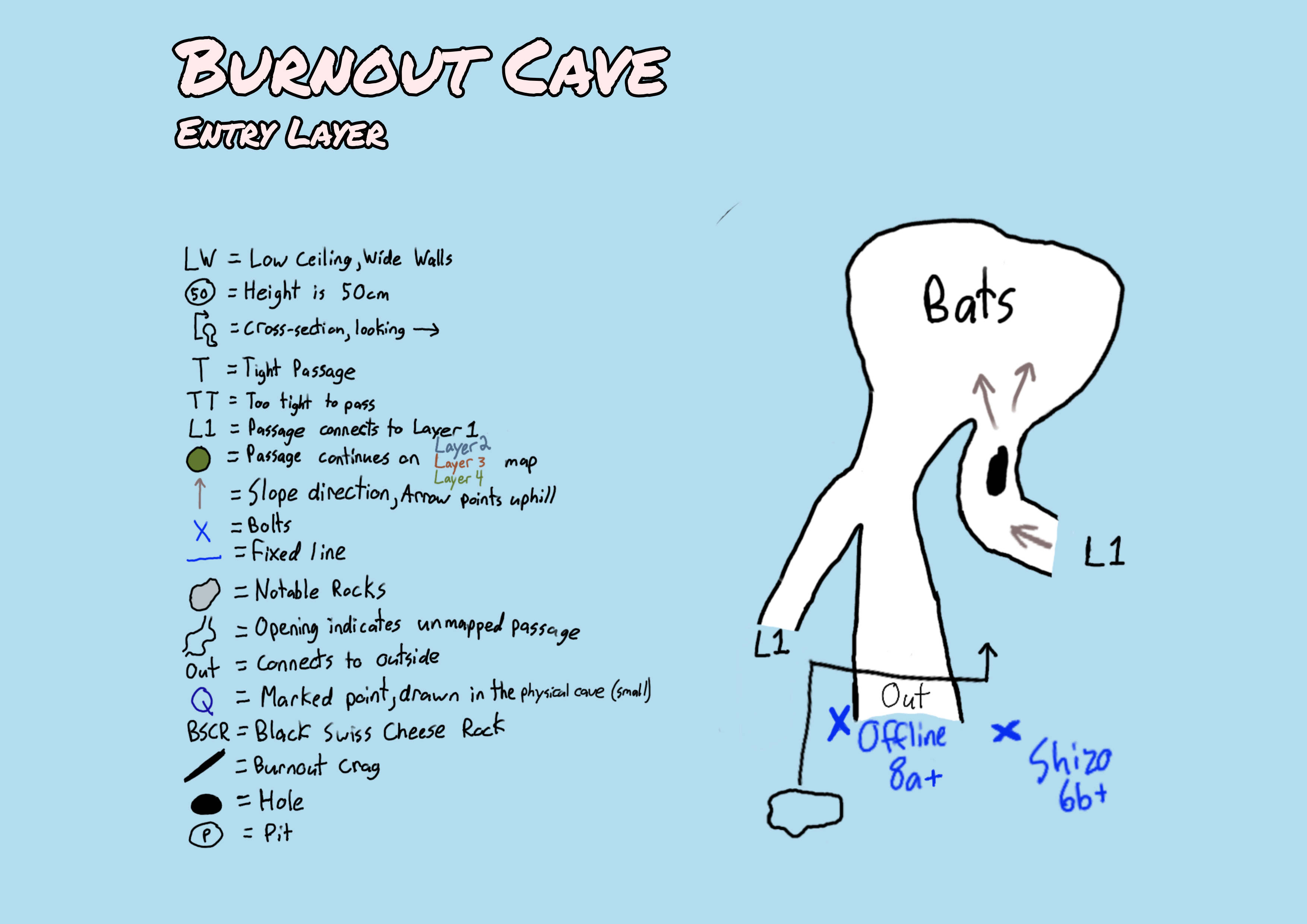
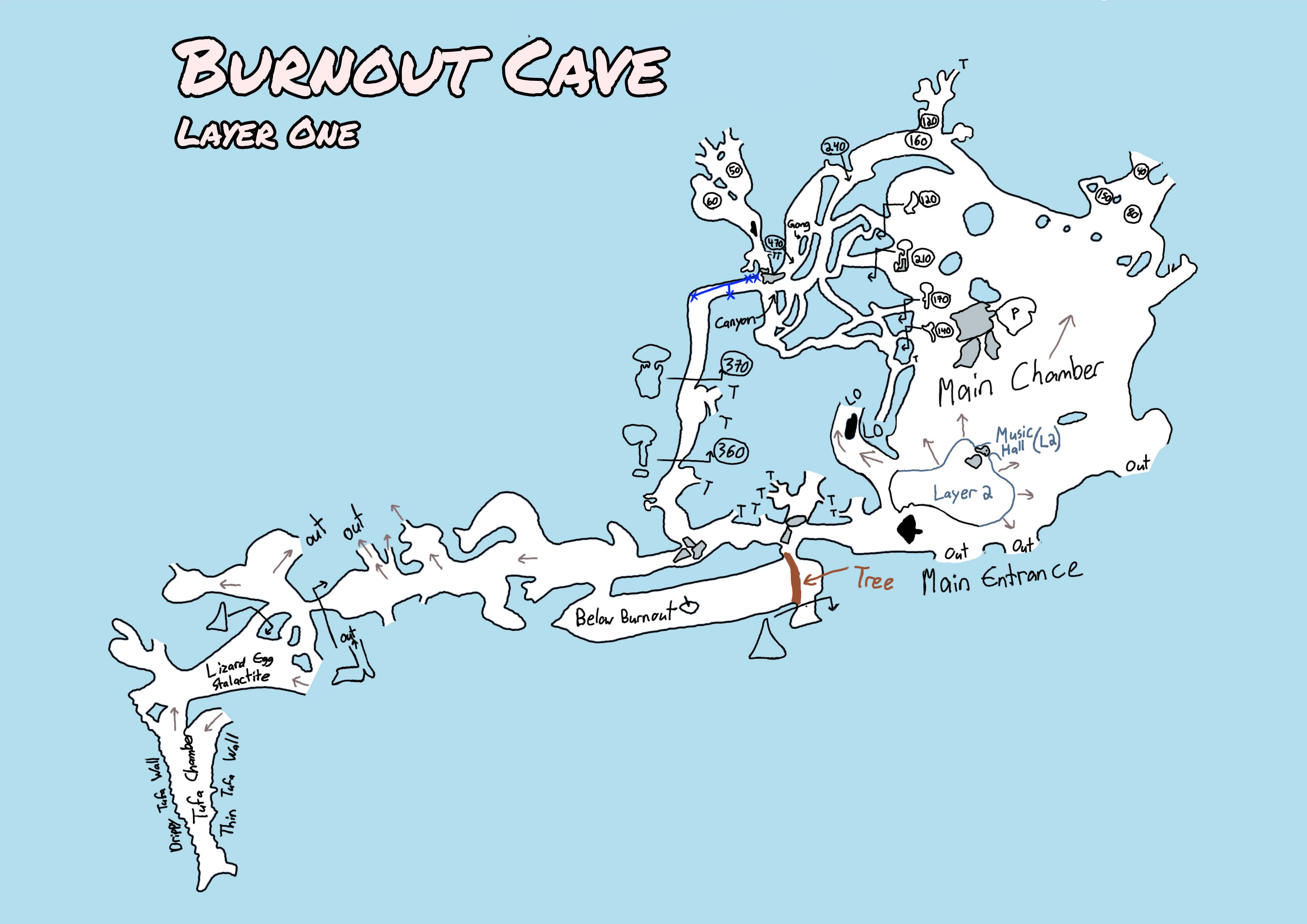
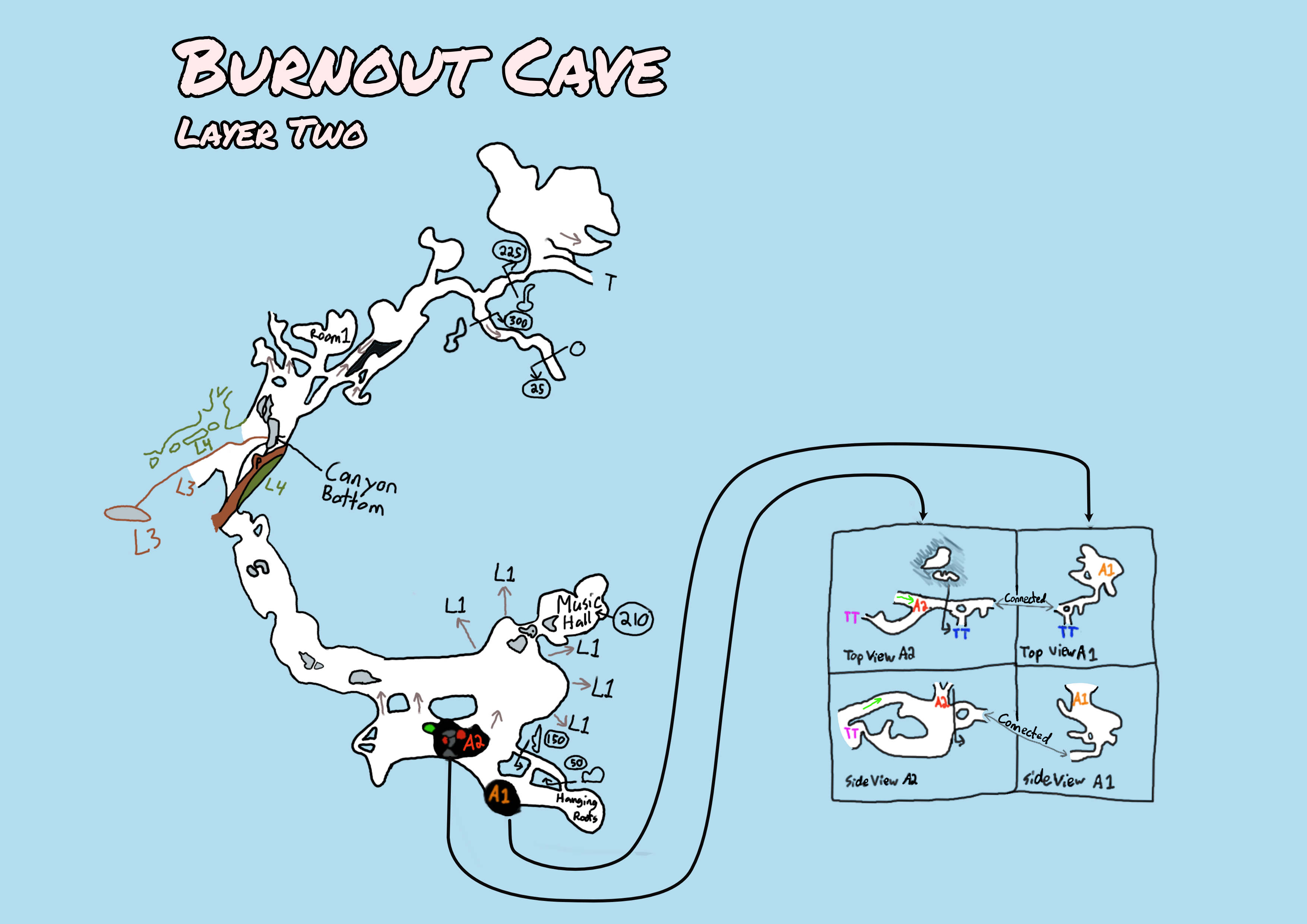
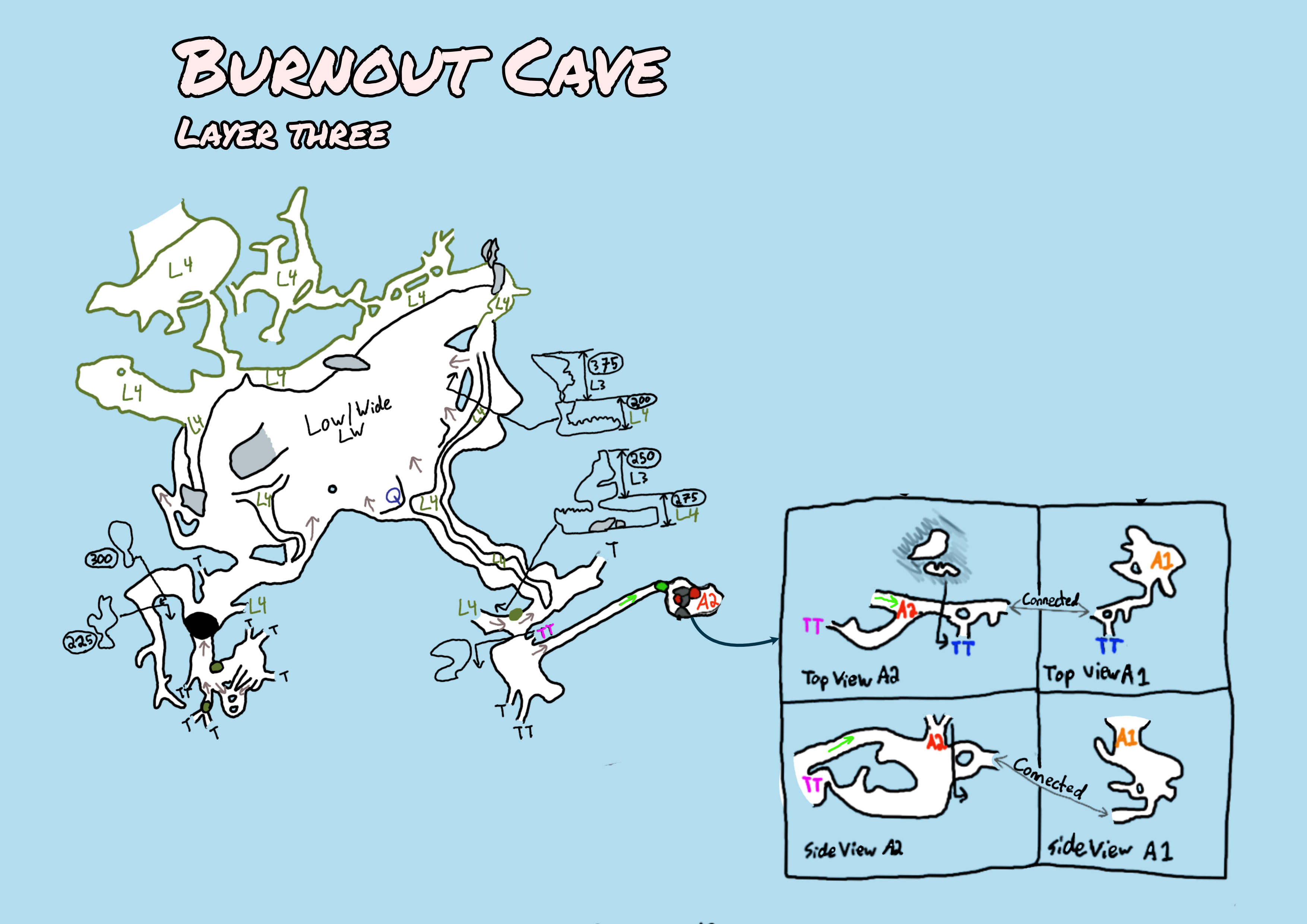
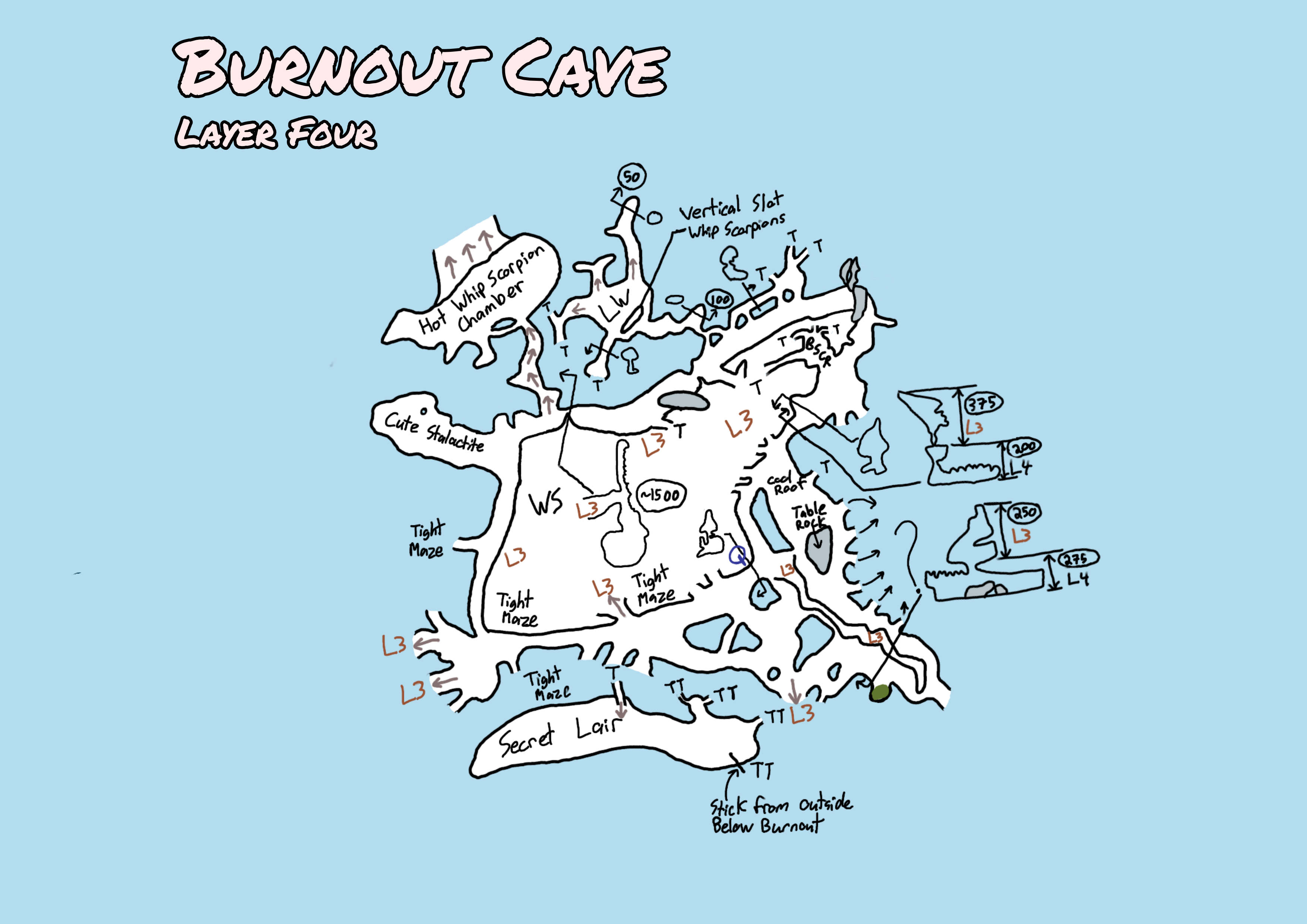
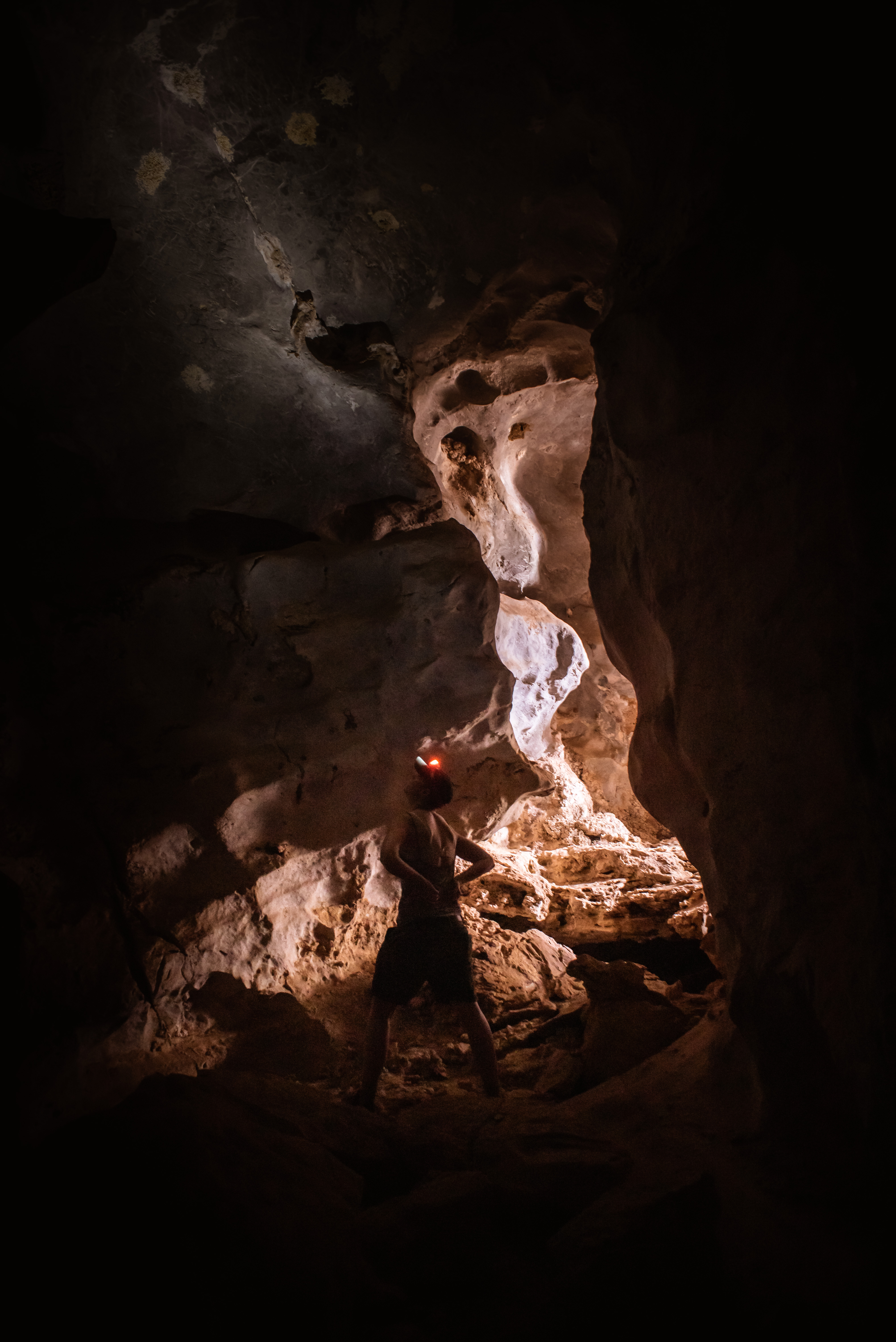
Burnout Cave is one of the largest caves in the valley and is located just a 15-minute walk from Camp 2. It has two entrances, both situated at the Burnout climbing sector. Inside, you'll find several large chambers connected by a network of narrow side passages leading to smaller rooms. The cave has three different levels, making it surprisingly easy to lose your sense of direction. Fortunately, Eli from Canada spent many days during the last climbing season mapping the cave, allowing visitors to explore it with confidence.
If you venture into the deeper sections where daylight no longer reaches, you'll encounter one of the cave's most fascinating inhabitants: whip scorpions.
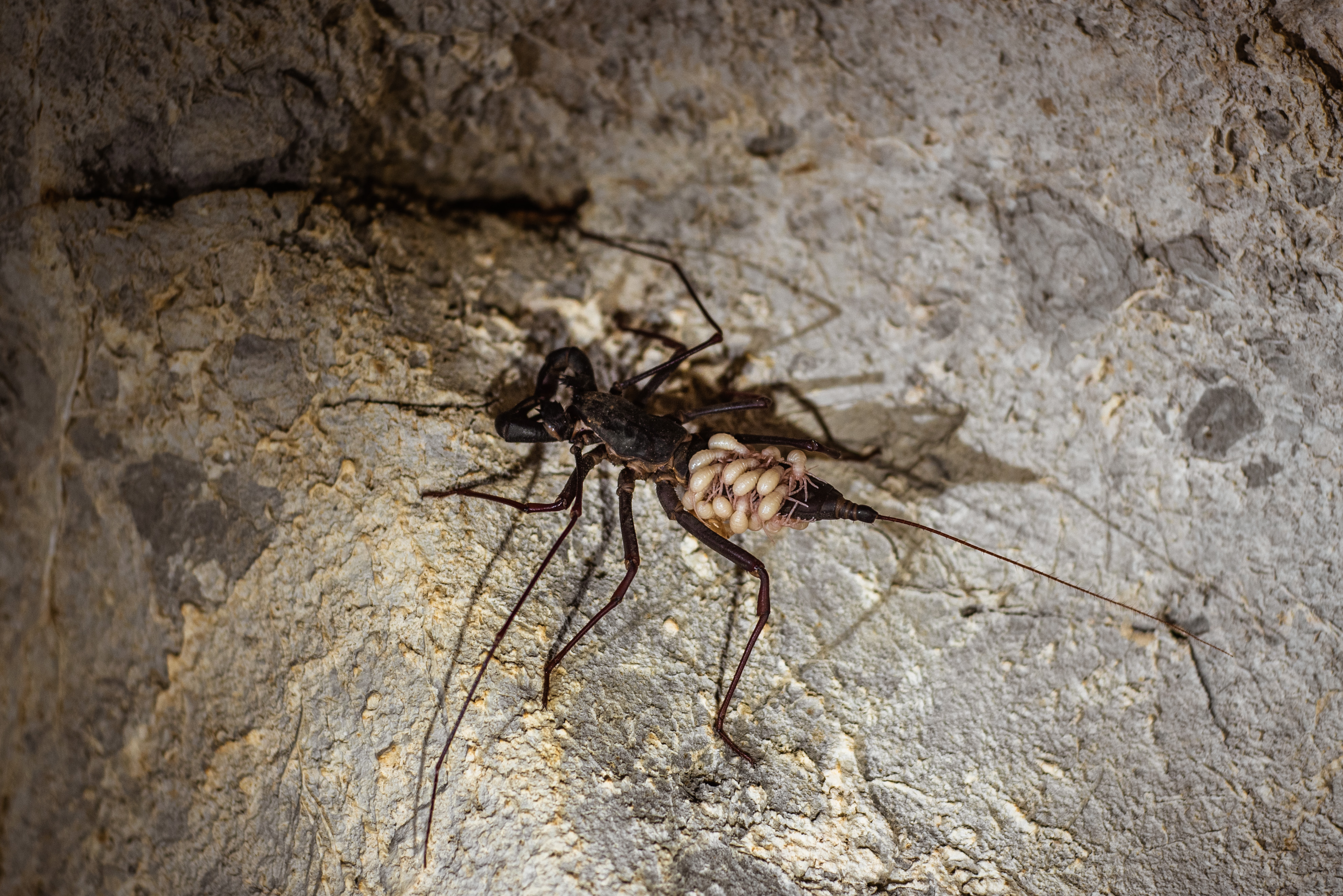
Whip Scorpions (Vinegaroons): Fearsome but Harmless
Whip scorpions, also called vinegaroons, are among the most misunderstood animals you'll encounter in the tropics. At first glance, a whip scorpion looks like something straight out of a horror movie. With large pincers, eight legs, and a long whip-like tail, many people mistake it for a dangerous scorpion. In reality, whip scorpions are neither true scorpions nor are they venomous.
Instead of a venomous stinger, the "tail" is a thin sensory appendage used to navigate in the dark. When threatened, the animal defends itself by spraying a fine mist containing acetic acid—the same chemical that gives vinegar its smell. This is why they are commonly called vinegaroons. The spray may irritate the eyes or nose but is harmless to humans.
Whip scorpions are nocturnal predators that feed on insects, spiders, cockroaches, and other small invertebrates. They play an important role in controlling pests and are often found in caves, under rocks, or in leaf litter where conditions remain cool and humid. Although they look intimidating, whip scorpions are shy animals that prefer to hide rather than fight. If you encounter one during a night walk or while exploring a cave, simply leave it undisturbed and enjoy the chance to observe one of Southeast Asia's most unusual creatures.
Quick Facts
- Not venomous and cannot sting.
- The long "whip" is a sensory organ, not a weapon.
- Defends itself by spraying a vinegar-smelling mist.
- Active mainly at night.
- Eats insects and other small arthropods, making it a valuable natural pest controller.
This combination of an intimidating appearance and harmless behavior makes the whip scorpion one of the most fascinating—and most unfairly feared—animals of the tropical forests.
Detailed Maps from Burnout Cave