Climbing at Xe Bang Fai – Discovering Laos Before the Crowds

Xe Bang Fai – The Other Side of the Sơn Đoòng Karst Landscape
Today, Vietnam's Phong Nha - Kẻ Bàng National Park is one of Southeast Asia's premier adventure destinations. Visitors travel from around the world to explore Hang Sơn Đoòng - the world's largest cave - along with countless other underground wonders hidden beneath its limestone mountains. Cafés, hotels, and tour operators now line the roads leading into the park.
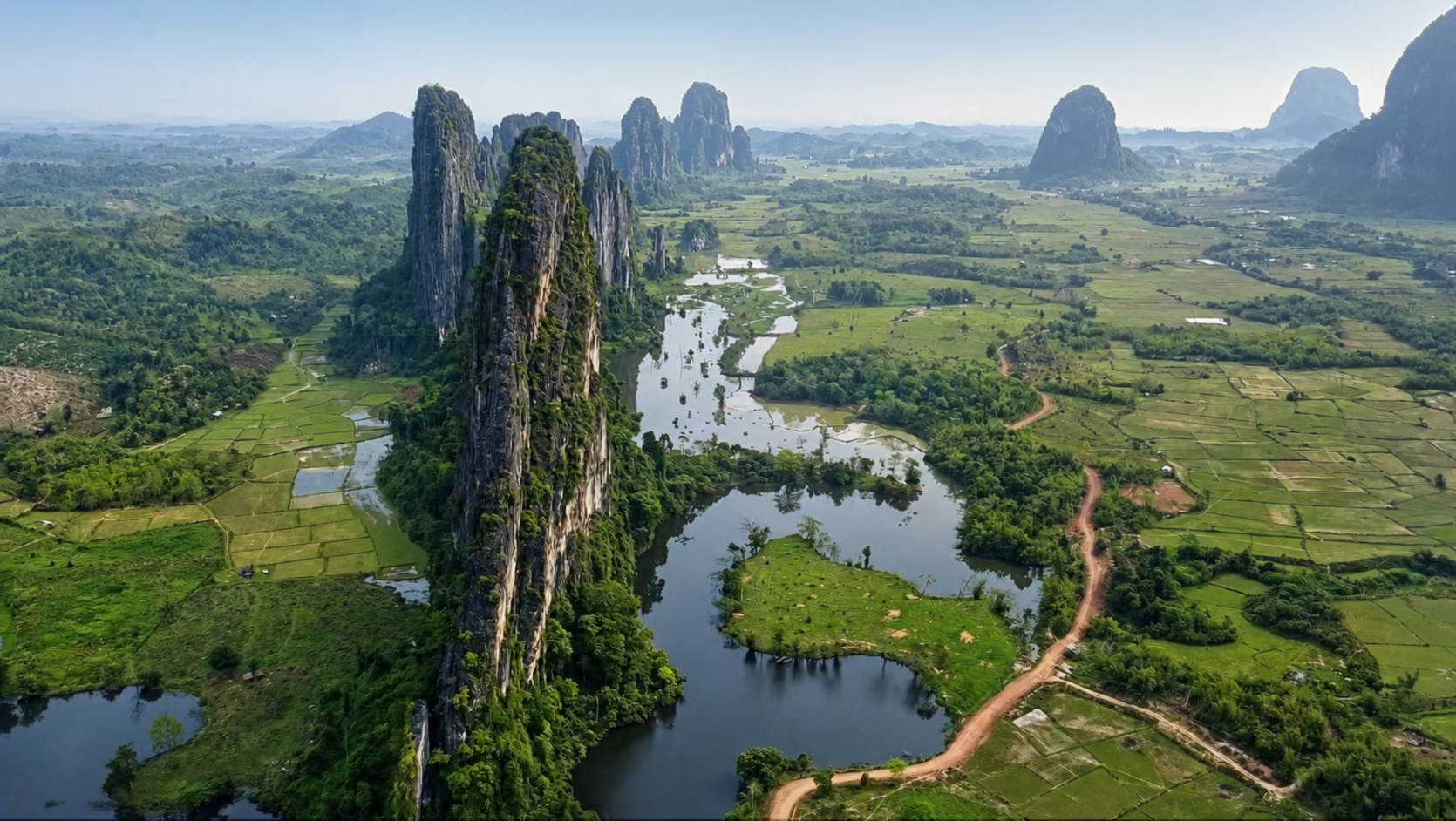
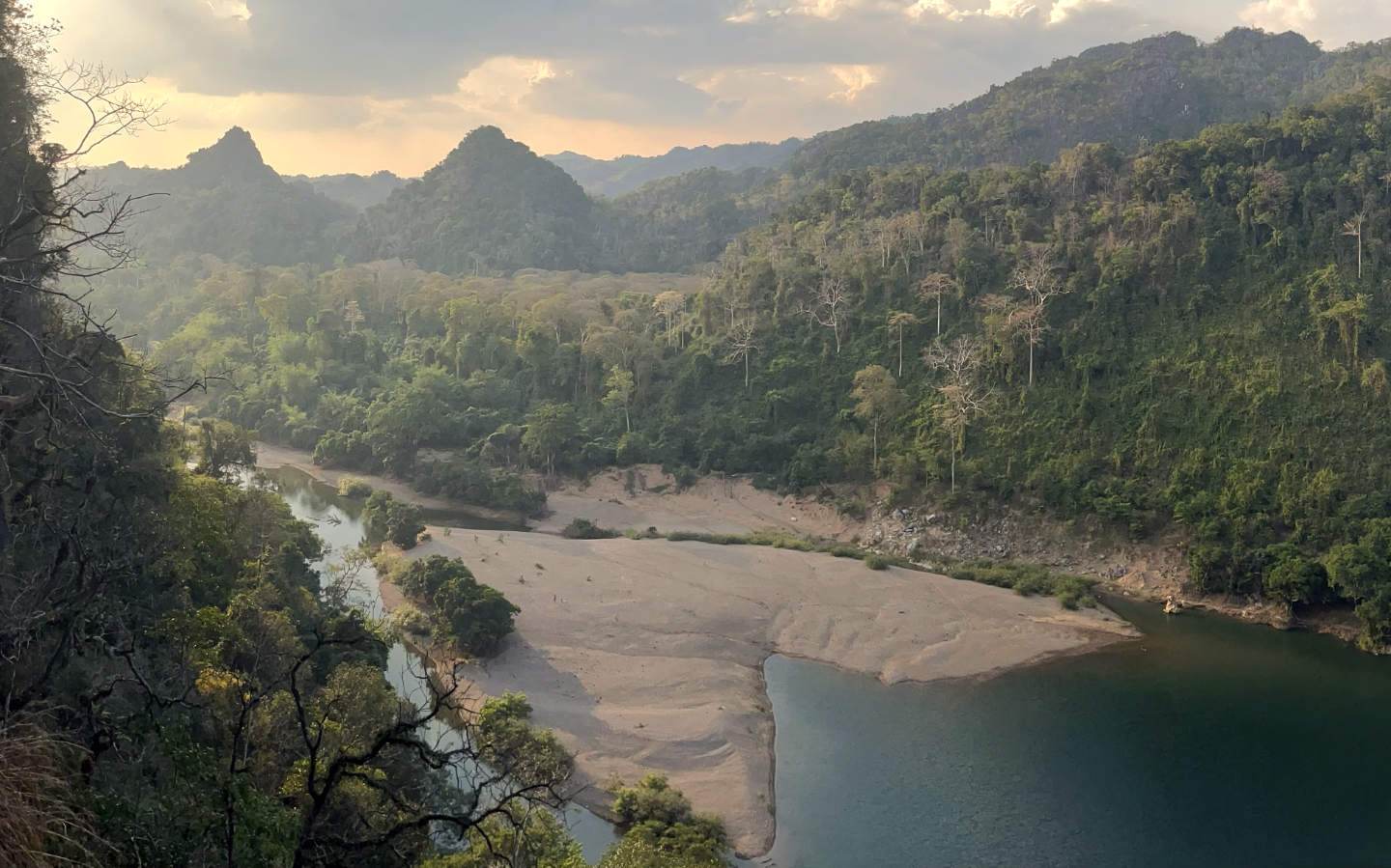
Just across the border in Laos lies Hin Nam No National Park, part of the very same karst landscape. The limestone doesn't stop at the international border, and neither does the cave system. Yet the atmosphere couldn't be more different.
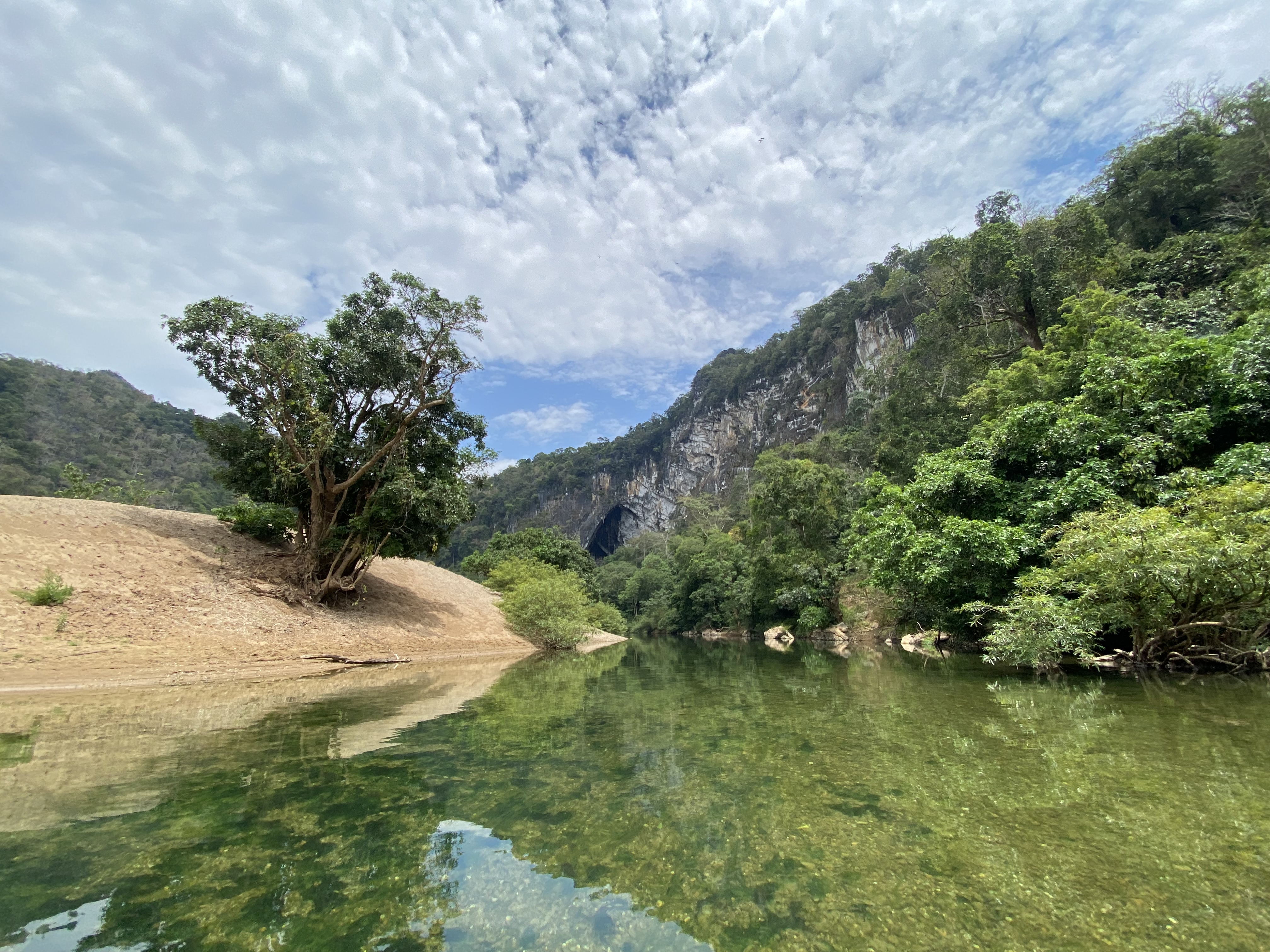
Until only a few years ago, Nong Ping Village and the Xe Bang Fai River Cave were difficult to reach, accessible only by rough dirt roads that often became impassable during the rainy season. Even today, tourism remains in its infancy. Visitors will find just a handful of simple bungalows, space to pitch a tent beneath the trees, and a peaceful riverside village where daily life continues much as it always has.
For those wondering what Phong Nha might have felt like before international tourism arrived, Xe Bang Fai offers a rare glimpse into that past. It is a place where exploration still outweighs infrastructure, where towering limestone cliffs rise above one of the world's great river caves, and where nature - not tourism - defines the experience. Rather than following the path of mass tourism, Xe Bang Fai has chosen a different direction. The climbing project grew out of a broader initiative to promote sustainable, community-based tourism in Hin Nam No National Park.
The climbing project at Xe Bang Fai grew out of a broader initiative to promote sustainable, community-based tourism in Hin Nam No National Park. Supported by GIZ in partnership with the national park authorities and local communities, the goal was not to create a large-scale tourist destination, but to provide new opportunities for local livelihoods while protecting one of Laos' most remarkable natural landscapes. Climbing became one element of a wider ecotourism vision that includes guided cave tours, village-run accommodation, and locally operated services. Every visitor who stays in Nong Ping Village helps create income for the community, demonstrating that conservation and tourism can work hand in hand when local people are at the heart of the project.
Building a New Climbing Destination
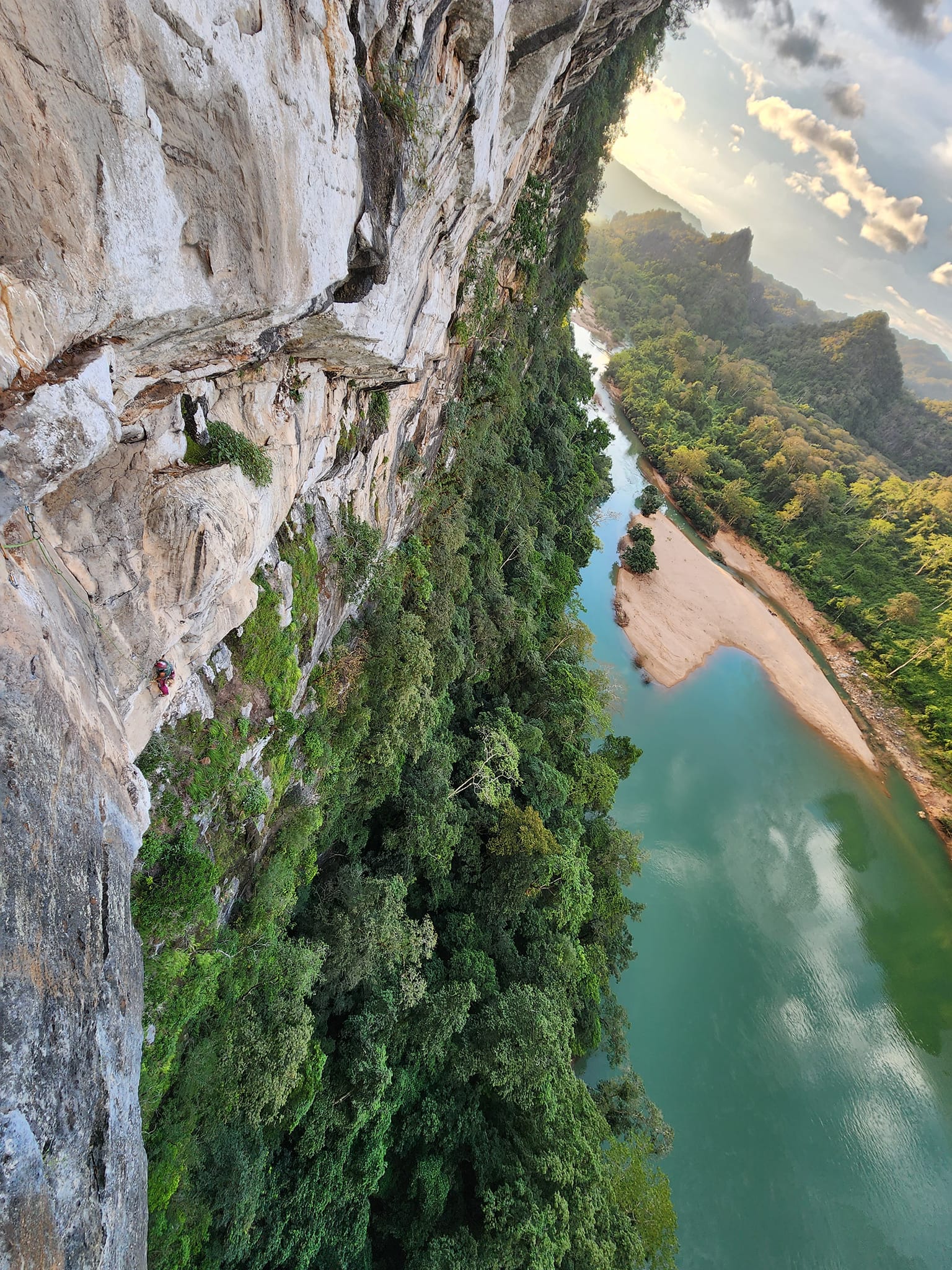
The idea of developing climbing here began in April 2022. With permission from the local authorities and support from the GIZ tourism project, an international team of route developers started exploring the cliffs around the cave. Simply reaching the walls was already an adventure. Thick jungle prevented access from below, so park rangers helped the team reach the cliff tops before rappelling down to clean vegetation, remove loose rock and establish the first climbing routes.
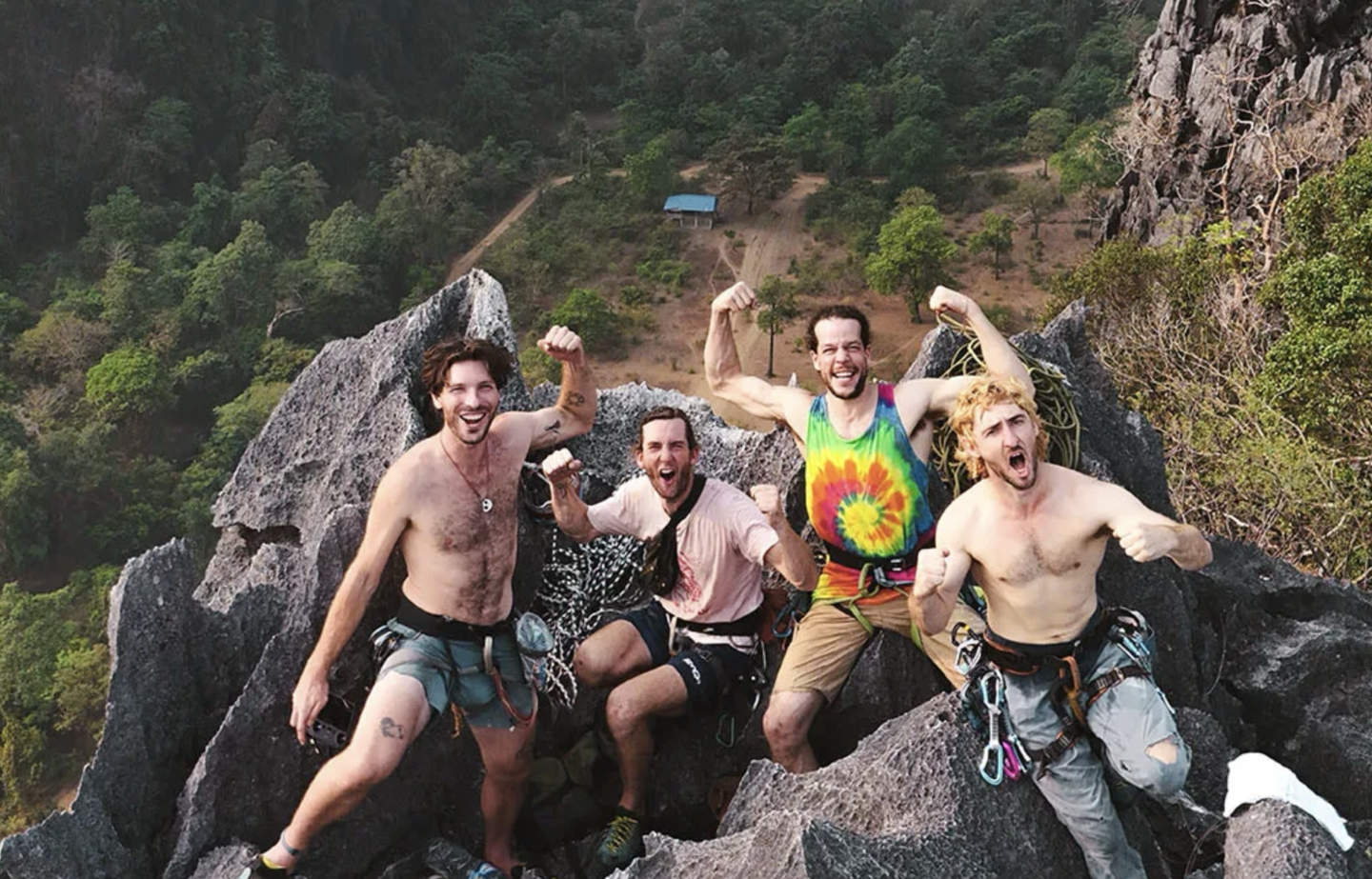
The original bolting team included:
- Tom & Fai
- Remy Wittwer
- Peter Lentes
- Lauri Meyer
- Mirielle Mosca
- Luca Maruffi
- Emma Hargreaves
- Joan Alvarez Campillo
Special thanks also go to Bastian Flury and the GIZ team, whose vision was to support sustainable tourism by showcasing the natural beauty of the Bualapha district.
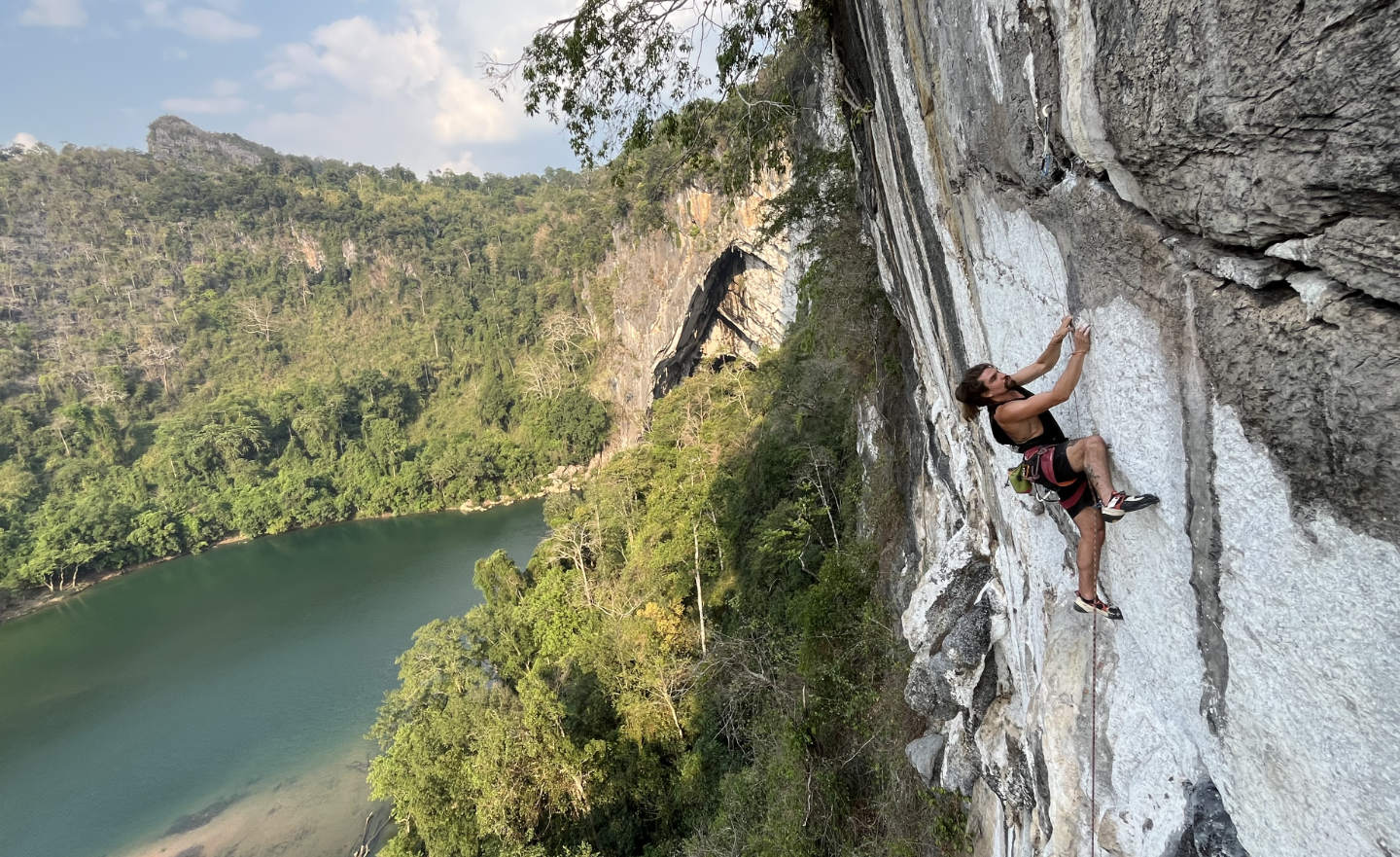
Stay at the Xe Bang Fai Campsite
The best base for exploring the climbing area is the Xe Bang Fai Campsite in Nong Ping Village. Accommodation is simple but comfortable, with five bungalows and plenty of space to pitch your own tent beneath the shade of the surrounding trees. A small restaurant serves three freshly prepared meals a day, making it easy to relax and recover after a day on the wall.
What makes staying here especially meaningful is that the campsite and restaurant are operated by the Nong Ping Women's Group. Income from accommodation, food, and other visitor services goes directly to the local community, creating jobs and supporting families while encouraging the protection of the surrounding natural environment.
By choosing to stay at the campsite, you are not only enjoying the most convenient base for accessing all climbing routes and the cave, but also contributing to a model of community-based tourism where the benefits of conservation are shared by the people who call this remarkable place home.
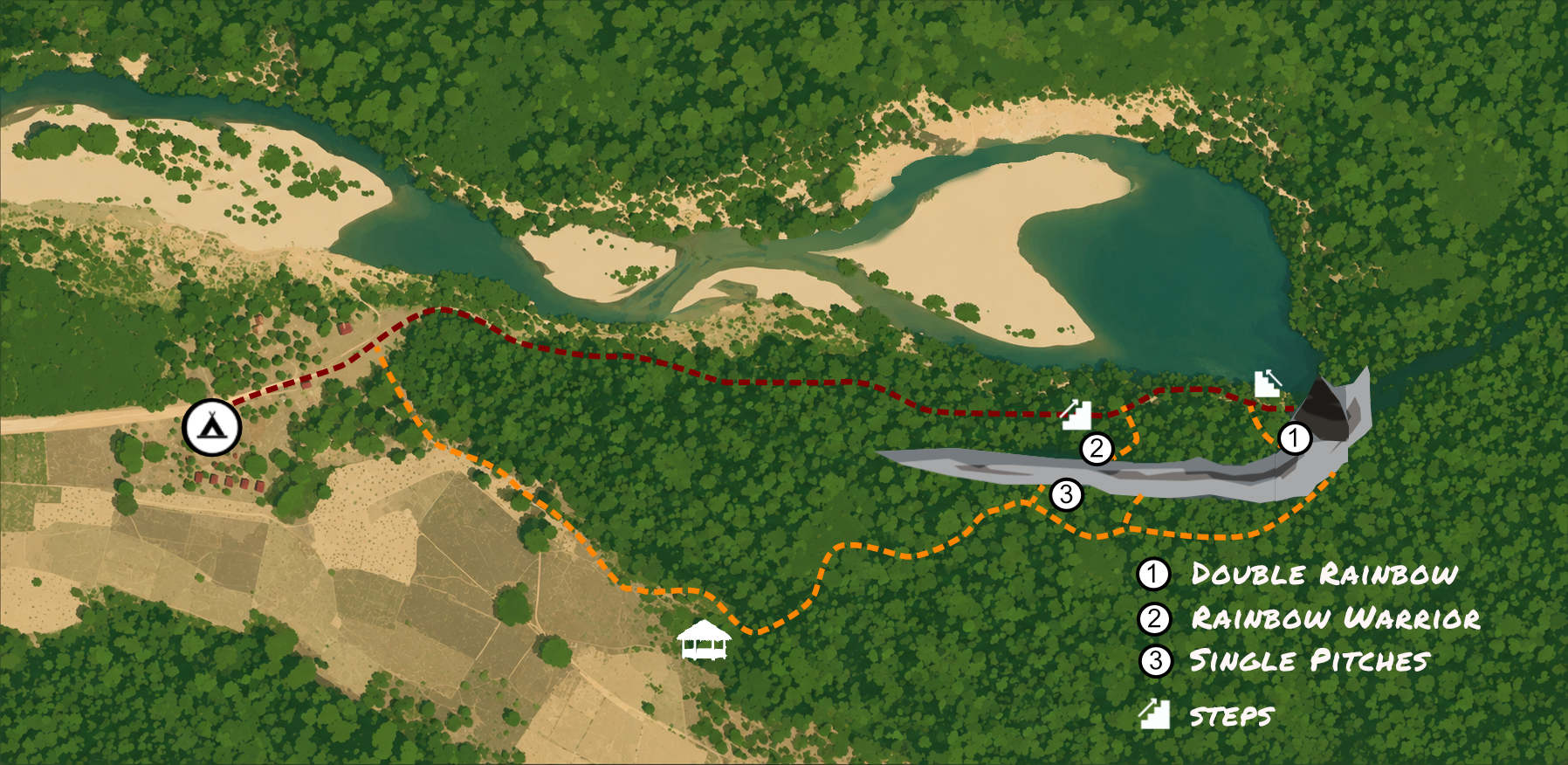
Access to the routes with map
Double Rainbow
Access: From the campsite, walk on the main trail towards Xe Bang Fai cave. In the moment when you can glimpse the cave entrance for the first time, there’s a concrete platform with seats on the left side of trail on the river bank. Keep walking for about 10m, you’ll reach 3 concrete steps uphill. There you make a sharp right up towards the big tree. Walk pass it and follow the marks up for about a little bit. The first pitch starts a little to the right, once you hit the base of the wall. See Map (p.161).
Descent: At the top of the wall, walk right down the jungle path for about 25 mins. Just before the clearing is many bamboo reed, giving you a hunch back. It is the right path. In the farm, you're on flat land, walk right and you'll come to the restaurant. It's possible to rapp from P1 & P2 only. The offset 3rd pitch anchor makes it hard to rappel without leaving gear.
Equipment: 15QDs, 40m rope, headlamp.
Rainbow Warrior
Access: From the campsite, walk on the main trail towards Xe Bang Fai cave. After 10 minutes you have the heart shape island on the left. There is a part where concrete stairs were built to avoid 2 exposed steps. About 100m after that, the trail for the climb starts, head into the jungle. When the main trail gets close to the river for the first time, then you’ve walked 30m too far.But from here, you can see the climb. Go back to find the trail entrance. Walk the rocky bits to the steep part, reaching the base of the climb. See Map (p.161).
Descent: At the top of the wall, walk right down the jungle path for about 20 mins. Just before the clearing is many bamboo reed, giving you a hunch back. It is the right path. In the farm, you're on flat land, walk right and you'll come to the restaurant. It's possible to rapp from P1 & P2 only. The offset 3rd pitch anchor makes it hard to rappel without leaving gear.
Equipment: 14QDs, 40m rope, headlamp.
Single Pitches
Access: From the campsite bungalows, walk to the restaurant then veer right to the gate, over it and into the farm. 40m to the big tree and the small house, we turn left into the jungle, mostly bamboo in the beginning. Walk up the back of the mountain, follow the jungle track, follow the white marks in the crux, where you should stay right, not up-left. After about 20 minutes, the track comes closer to the cliff. There’s a small opening, then a bigger opening, some rock on the left. You need to leave the main trail for about 7meters to reach the abseil sling. See Map (p.161). The first Rappel is just 3m to get to the main route anchor. At this anchor, rappel down 40m to get to the good ledge where the start of the climb is. Protip: put QDs in on the way down.
Descent: You have to go back the way you come from. It's better to top belay the second from the lower of the two anchors to protect the rope from the razor sharp edge.
Equipment: 22QDs + slings, 80m rope, rappel device, headlamp. One more 40m+ rope and jumar should also be considered.